


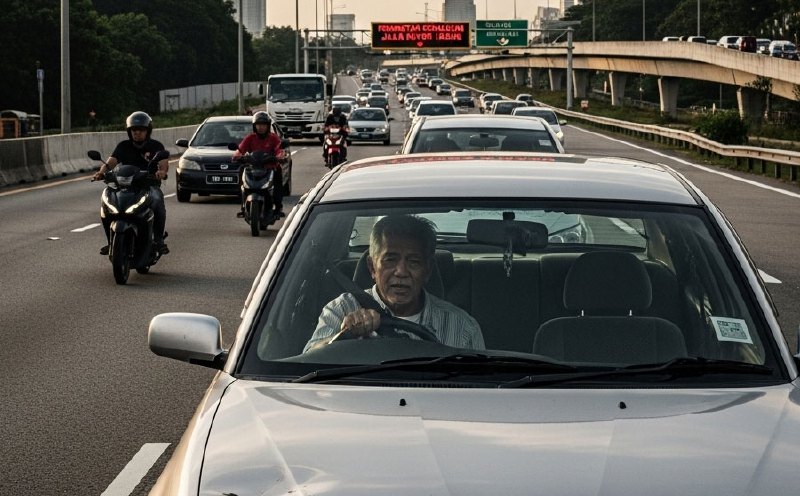
WHENEVER a serious road accident involves an older driver, calls quickly emerge for stricter regulations, mandatory medical checks, cognitive assessments, or even special licences for senior citizens.
The concern is understandable. Nobody wants to share the road with someone who is unfit to drive.
However, there is a danger in allowing a handful of tragic incidents to shape national policy. Good laws are not built on emotion. They are built on evidence.
Malaysia is ageing rapidly. By 2030, more than 15% of the population will be aged 60 and above. The question is not whether older people should continue driving. The real question is whether age alone makes someone a dangerous driver.
The answer is not necessarily.

Driving ability depends on a range of factors, including physical health, vision, cognitive function, reaction time and overall fitness. While some people may experience age-related decline, others remain perfectly capable of driving safely well into their later years.
That is why policymakers should focus on ability rather than age alone.
Before introducing new restrictions, Malaysia should commission a comprehensive and independent study into road accidents involving older drivers. We need to understand what is actually contributing to these incidents.
Are they linked to cognitive decline, vision problems, medication side effects or other health conditions? Or do factors such as poor road design, inadequate lighting and confusing signage also play a role?
Equally important is understanding how accident rates among older drivers compare with those of other age groups. Without reliable data, it is difficult to determine whether additional restrictions are justified.
Many countries have adopted different approaches. Some require periodic medical assessments after a certain age, while others rely on self-declaration, licence renewal requirements or targeted restrictions. However, Malaysia should be cautious about simply copying foreign models.
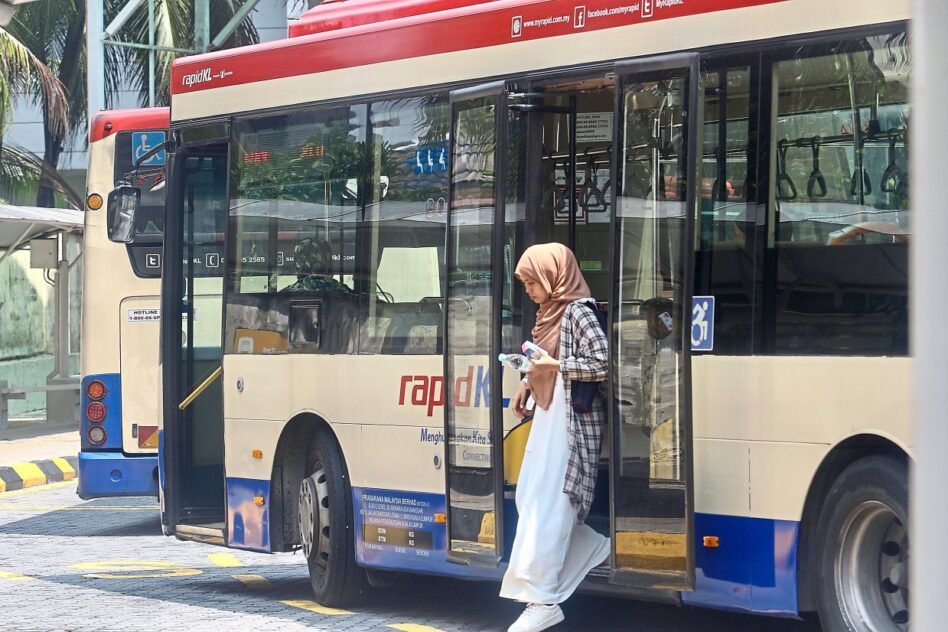
Countries such as Japan and Singapore have extensive public transport networks that allow older adults to remain mobile even if they stop driving. For many Malaysians, particularly those living outside major urban centres, driving is not a convenience but a necessity.
Removing that independence without providing practical alternatives could have significant consequences. Access to healthcare, family support, social activities and essential services often depends on the ability to travel independently.
There is also a broader issue of fairness. Automatically treating everyone above a certain age as a potential risk ignores the reality that individuals age differently. A blanket approach risks unfairly penalising capable and responsible drivers solely because of their age.
A more balanced solution would be to focus on medical fitness to drive. If a driver, regardless of age, has a condition that significantly affects their ability to operate a vehicle safely, then appropriate assessments should be carried out. Such evaluations should be evidence-based, fair and respectful.
Before any new regulations are introduced, policymakers should engage widely with doctors, geriatricians, psychologists, transport experts, road-safety specialists and, importantly, older Malaysians themselves.
Road safety is too important to be driven by assumptions. At the same time, the dignity, independence and wellbeing of older citizens should not be compromised without compelling evidence.
Malaysia should study the issue carefully, consult widely and legislate only when the facts support doing so. Anything less risks creating policies that are not only ineffective but also unfair.
KT Maran is a Focus Malaysia viewer.
The views expressed are solely of the author and do not necessarily reflect those of MMKtT.
- Focus Malaysia

No comments:
Post a Comment
Note: Only a member of this blog may post a comment.