


In June 2026, Thailand began issuing government-issued identity cards to refugees living in temporary shelters along the Thai-Myanmar border.
The initiative marks a significant development in refugee governance in Southeast Asia, providing refugees with official recognition and supporting greater access to employment and essential services.
The development comes at a time when Malaysia is advancing its own refugee registration initiative through the Refugee Registration Document (DPP), which began on Jan 1 this year.
While the DPP remains in its early stages, it has the potential to become one of the most important changes to refugee management in Malaysia in decades.
Thailand's experience offers an opportunity to reflect on a more fundamental question: Should refugee documentation merely record refugees' presence, or should it provide meaningful protection and pathways to self-reliance?
Not an end in itself
For refugees, documentation is valuable not simply because it records their existence, but because it can provide protection, certainty, and access to opportunities.
Many refugees in Malaysia have spent years living without legal recognition from the government.
As a result, they face difficulties accessing healthcare, education, formal employment, banking services, and other aspects of daily life.
The lack of recognised documentation also leaves many vulnerable to exploitation, detention, and uncertainty.
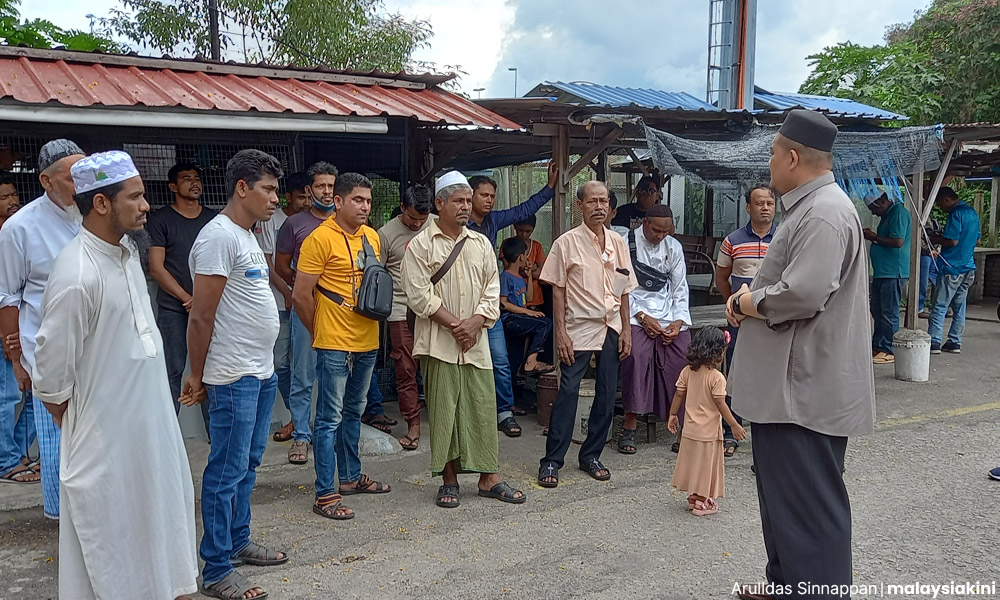
A registration document alone cannot solve these challenges. Its impact depends on what rights, protections, and opportunities are attached to it.
As Malaysia develops the DPP, attention should therefore focus not only on registration processes but also on the practical outcomes that registration can deliver.
Importance of trust
One of the most important lessons from refugee registration initiatives around the world is that trust matters.
At present, many refugees in Malaysia have limited information about the DPP. Questions remain about eligibility, implementation procedures, data collection, and the benefits associated with registration.
In refugee communities, information is often shared through informal networks - resulting in confusion, speculation, and uncertainty.
Some refugees hope that the DPP will lead to greater protection and access to opportunities. Others worry about how personal information will be used, who will have access to it, and whether registration could expose them to new risks.
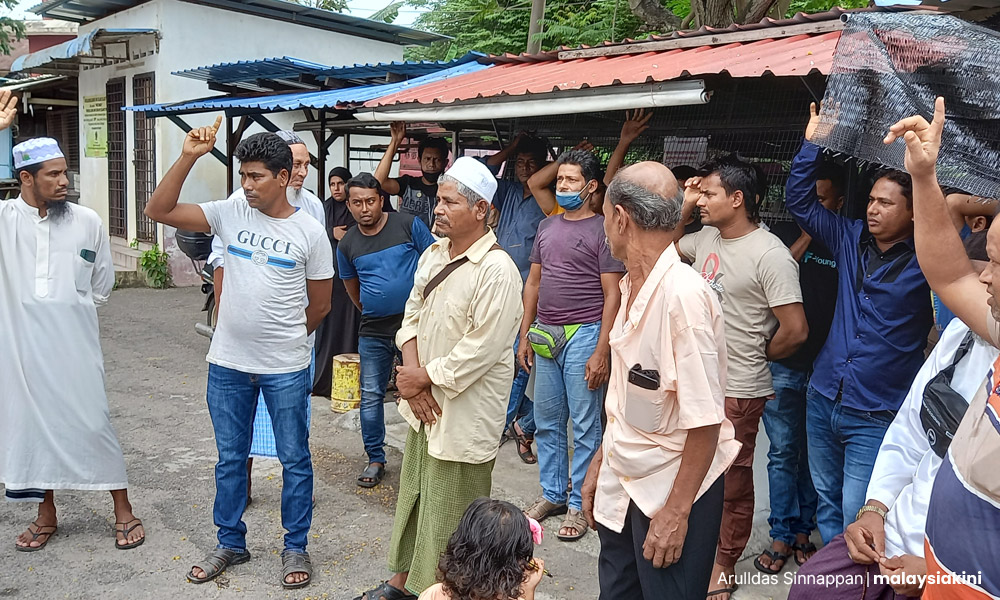
These concerns should not be dismissed. Trust is essential to the success of any registration system.
For the DPP to achieve its intended goals, refugees need clear, accessible, and consistent information about how the programme works, what safeguards are in place, and what outcomes participants can reasonably expect.
Registration must be linked to protection
Thailand's recent initiative has attracted attention because documentation is being connected to practical opportunities, including access to legal employment and greater participation in everyday economic life.
Malaysia's context is different, and any policy must reflect national priorities and legal frameworks.
Nevertheless, the principle remains relevant: registration should contribute to protection and self-reliance rather than functioning solely as an administrative exercise.
If refugees are encouraged to participate in a government registration system, they should have confidence that doing so will improve their situation.
Documentation should help reduce vulnerability, not simply create additional records. Otherwise, refugees may come to view registration not as a pathway to protection, but as an exercise that asks them to surrender personal information without clear benefits in return.
This includes consideration of access to healthcare, education, lawful employment opportunities, and protection from exploitation.
Engaging refugees as stakeholders
The success of any refugee policy depends partly on the participation of the people most affected by it.
Refugees are not merely beneficiaries of policy decisions; they are individuals with valuable insights into the challenges they face and the realities of implementation on the ground.
As the DPP develops, meaningful consultation with refugee communities can help identify concerns, improve communication, and strengthen public confidence in the system.
Such engagement can also help policymakers understand practical barriers that may otherwise go unnoticed.
An opportunity for Malaysia
The introduction of the DPP, nevertheless, represents a significant moment in Malaysia's approach to refugee governance.
While questions remain about the programme's implementation and future direction, it also presents an opportunity to develop a system that balances national interests with protection needs and practical realities.
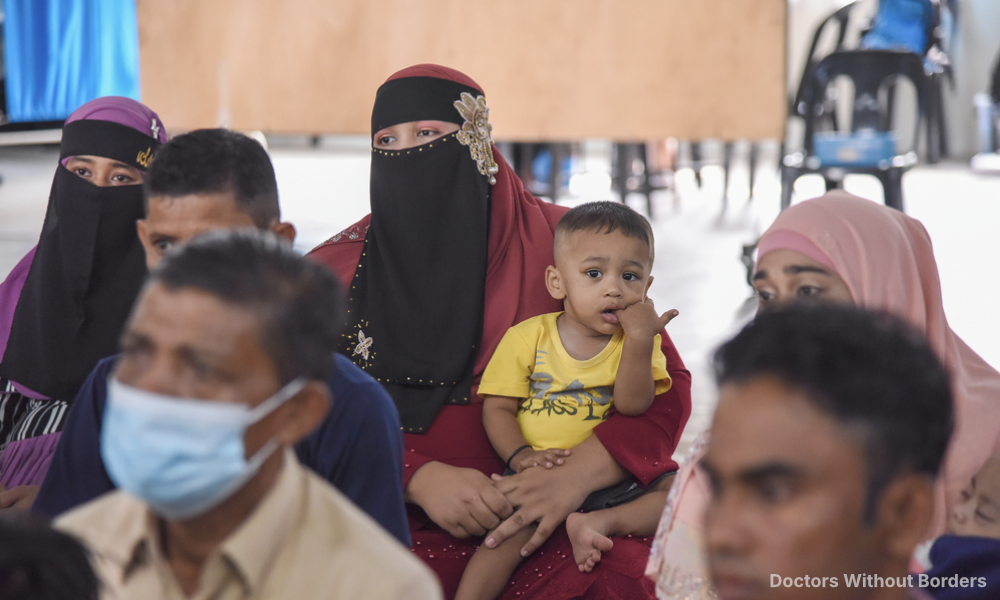
Thailand's recent issuance of refugee identity cards demonstrates that governments in the region are exploring new approaches to refugee documentation and inclusion.
Ultimately, the success of the DPP will not be measured solely by the number of people registered. It will be measured by whether the system provides refugees with greater security, clearer pathways to protection, and confidence that registration serves their interests as well as the government. - Mkini
NUR SADEK is a Rohingya human rights advocate, writer, author, and founding member of Rohingya Rights Response.
The views expressed here are those of the author/contributor and do not necessarily represent the views of MMKtT.

No comments:
Post a Comment
Note: Only a member of this blog may post a comment.