


The recent string of detentions of Malaysian citizens abroad - from an airline pilot arrested with over 25kg of methylenedioxymethamphetamine (MDMA) and methamphetamine in Jakarta, to follow-up arrests at Surabaya Airport and in Singapore - is not merely a series of isolated criminal incidents.
It is a severe blow to the nation’s diplomatic reputation and security standing, which has ultimately forced the cabinet to plan drastic measures.
However, behind the public outrage and the emergency measures announced by the government lies a far more damaging reality: Kuala Lumpur International Airport is facing a chronic integrity crisis and enforcement paralysis.
This is because smuggling across the country’s primary gateway, particularly KLIA, is hardly a new phenomenon.
From contraband cigarettes, vape liquids, and exotic fauna to high-grade narcotics, these illegal activities have long thrived within the loopholes of what is seen as lax border controls.
At a time when neighbouring countries like India enforced total bans on vaping, Malaysia was swiftly exploited as an international smuggling transit and processing hub.
Regrettably, authorities treated this small-scale smuggling as trivial for years until high-profile flight crew members and officers became directly involved.
Technicality vs risk assessment
A statement by the Malaysian Border Control and Protection Agency (MCBA) asserting that the pilot’s baggage passed security screening because it produced no suspicious X-ray images may be technically correct from a screening perspective.
However, from the perspective of risk assessment and security, that excuse reveals an alarming operational fragility.
How could a pilot on a short-haul flight to Jakarta carry 25kg of baggage without triggering a general alert for secondary inspection?
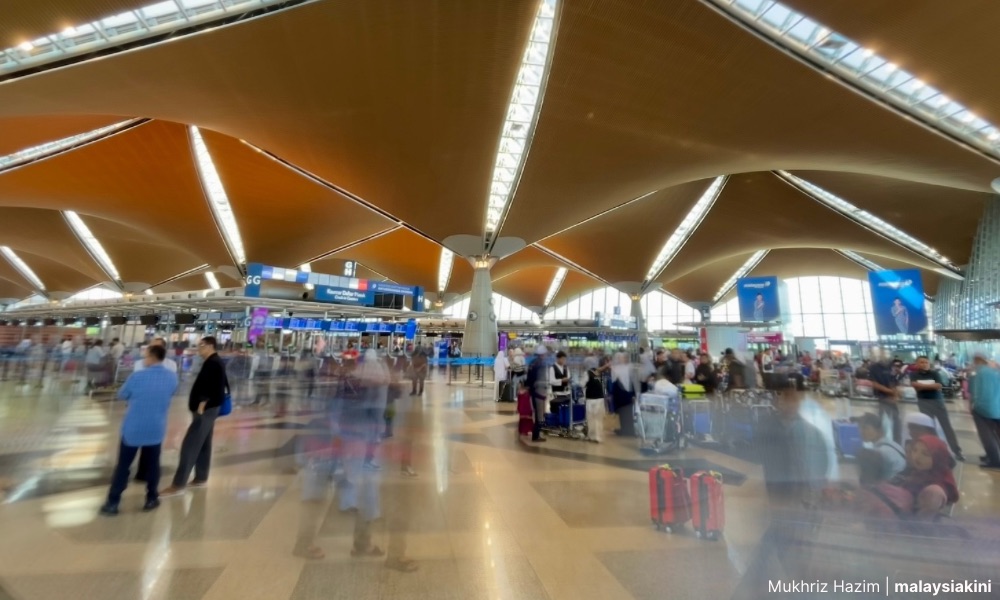
A flight lasting less than two hours logically does not require a mammoth-sized load for a working crew member.
The absence of profiling protocols based on destinations and flight durations proves that security control at KLIA relies far too heavily on machines rather than enforcement instincts and intelligence.
At the same time, techniques such as vacuum-sealing drugs or using specific dense shielding layers are not secrets in the underworld.
Relying entirely on border security via scanner images without incorporating periodic chemical swab tests or sniffer dog units on flight crews represents a terrifying structural vulnerability.
Problems at inspection lanes
The root cause of control failure at KLIA actually lies within the hierarchy of inspection lanes.
Generally, KLIA operates with three departure zones: public lanes subjected to strict, multi-layered screening for regular passengers; special lanes for VVIPs and ministers; and a low-risk lane at the crew processing centre (CPC) designated specifically for flight crews.
For instance, the CPC or special lanes managed by the Immigration Department at KLIA have become hotspots for “counter setting” or “fly syndicates” due to the low level of oversight.
This is precisely where border security’s greatest weakness lies.
The assumption that flight crews and high-profile individuals are automatically in a low-risk category has fostered a deeply ingrained culture of complacency.
The CPC and special lanes frequently serve as safe havens for collusion and syndicate fraud due to minimal physical oversight and sparse CCTV coverage.
Enforcement officers are often reluctant to detain crews and high-profile entourages out of deference or an assumption of good intent.
‘Psychological blind spot’
It is precisely this psychological blind spot that international syndicates meticulously detect and exploit to turn flight crews into prestigious drug mules.
Furthermore, the authorities’ exclusive focus on the main departure counters constitutes a strategic mistake.
In reality, the ground support services ecosystem at the apron area and internal terminals acts as a “back door”, making it far more vulnerable to smuggling activities.
For example, the direct inflight meal delivery by catering companies into the aircraft cabin bypasses the main terminal’s security screening system entirely.
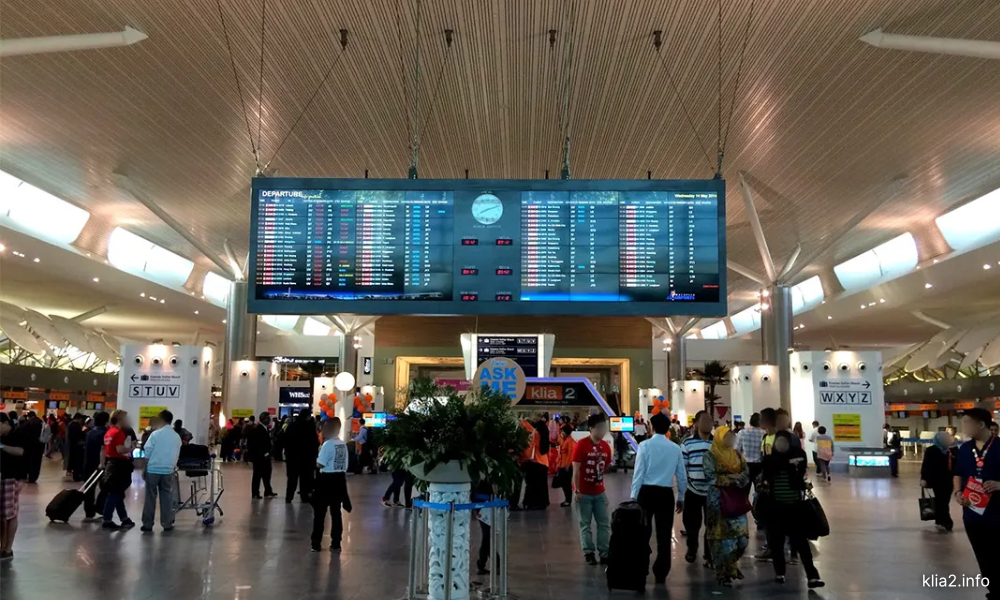
Without secondary scanning at the final loading point on the apron, catering carts carry immense potential to serve as transport vehicles for drugs and contraband.
This situation is exacerbated by the presence of cleaning staff who can directly access the cabin while aircraft are in transit.
Item exchanges between cleaners and crew, or hiding drugs in secret aircraft compartments, can easily occur without strict monitoring.
Even internal baggage handlers who possess physical access to already-scanned bags have room to swap or insert contraband within transit zones.
This condition is compounded by oversized baggage routes that are frequently processed manually and separately from automated scanning systems, making them prime targets for bulk contraband and wildlife trafficking.
Organised criminal ecosystem
What is even more alarming is that behind every arrest announced to the public, there exists a highly organised criminal ecosystem operating freely within the country.
This network of recruiters operates without significant disruption, exploiting local socioeconomic vulnerabilities to turn desperate citizens into front-line “transporters” within international drug smuggling networks.
In-depth field investigations reveal the presence of intermediaries moving subtly through public business areas, including foreign nationals working at local food establishments.
These individuals serve as low-calibre yet effective recruitment agents targeting specific segments of the local community.
Those facing critical financial distress, individuals hounded by loan sharks, and young people enticed by offers of free overseas vacations become primary targets.
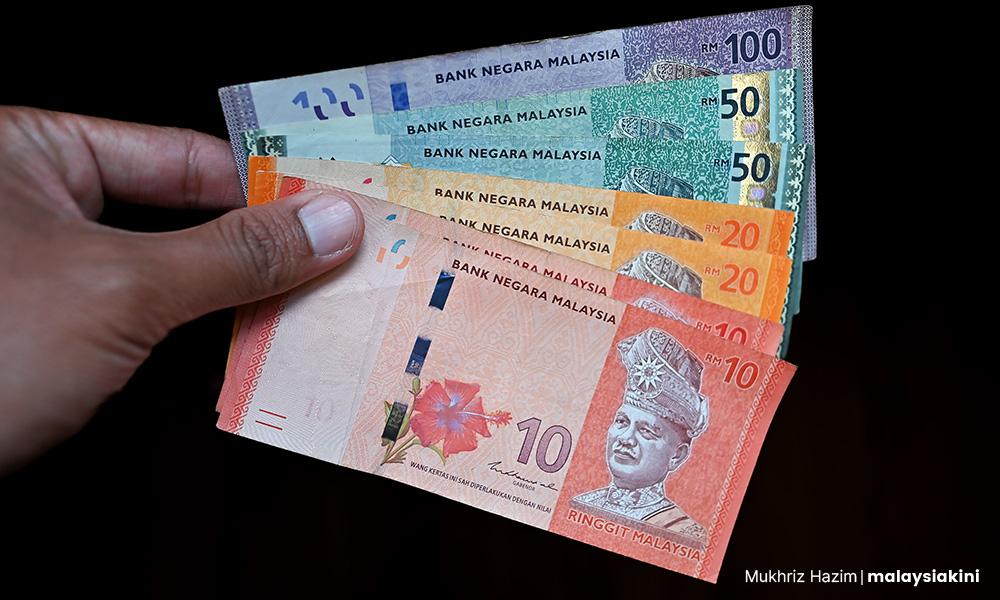
With cash rewards ranging between RM3,000 and RM5,000 alongside complimentary flight tickets and hotel accommodation packages, victims are instructed to fly to transit countries like Thailand to collect supplies before crossing borders toward final destinations such as India.
Concrete evidence of these border control vulnerabilities is starkly illustrated by the case of a Malaysian citizen detained at Netaji Subhash Chandra Bose International Airport in Kolkata, India.
According to court documents relating to the remand appeal, the individual departed Bangkok Airport aboard a Malaysian domestic carrier on April 14, 2025, arriving in Kolkata before being detained by Air Intelligence Unit officers at 9am the following day.
Despite clearing the “green channel” at the international arrival hall, an X-ray scan of the individual’s baggage unveiled three double vacuum-sealed plastic packets and a single packet containing 1.2kg of cannabis or marijuana.
That arrest, followed by the seizure of two mobile phones and boarding passes, led to a formal prosecution at the Barasat Chief Judicial Magistrate Court under India’s Narcotic Drugs and Psychotropic Substances Act 1985.
The situation grows graver given the glaring failures in land border controls and local enforcement integrity.
The Malaysian national involved in that case is back in Malaysia despite pending court proceedings in India, having allegedly escaped back into the country via illegal border routes or “laluan tikus”.
Once back inside, Malaysiakini learnt that the individual went into hiding in the suburban area of Kepong, to then allegedly rebuild networks and resume recruiting new victims.
The failure to identify and re-arrest masterminds who slip back across borders reflects a severe coordination gap between local and international security agencies.
Bitter reality
And continuous disclosures from Malaysian consulates abroad confirm this bitter reality.
Many Malaysians, particularly young women and desperate youths, are now spending their lives inside foreign prisons after falling into the sweet promises of syndicates.
Ironically, while these drug mules face harsh penalties under strict foreign laws, the masterminds and recruitment agents at home continue to enjoy their freedom and harvest millions of ringgit from this illicit trade.
Hence, the government and enforcement agencies cannot afford to act reactively or offer half-baked responses by simply pointing to technicalities involving the scanners.
The leaks occurring are not just a matter of machines but a systemic failure to dismantle masterminds and close operational spaces for local recruiters.
A comprehensive overhaul must be executed immediately without compromise.
This includes abolishing all special clearance privileges for flight crews and VIP zones, as well as tightening physical and security audits on ground support service companies operating within apron zones.
As long as certain lanes are granted “flexibility” and recruiters hunt desperate citizens without restriction, our border security and international reputation will continue to be pawned on the global stage. - Mkini
B NANTHA KUMAR is a member of the Malaysiakini team.

No comments:
Post a Comment
Note: Only a member of this blog may post a comment.