


The appellate court rules that a 'new intervening act' had severed the legal link between an earlier road accident and the eventual amputation.
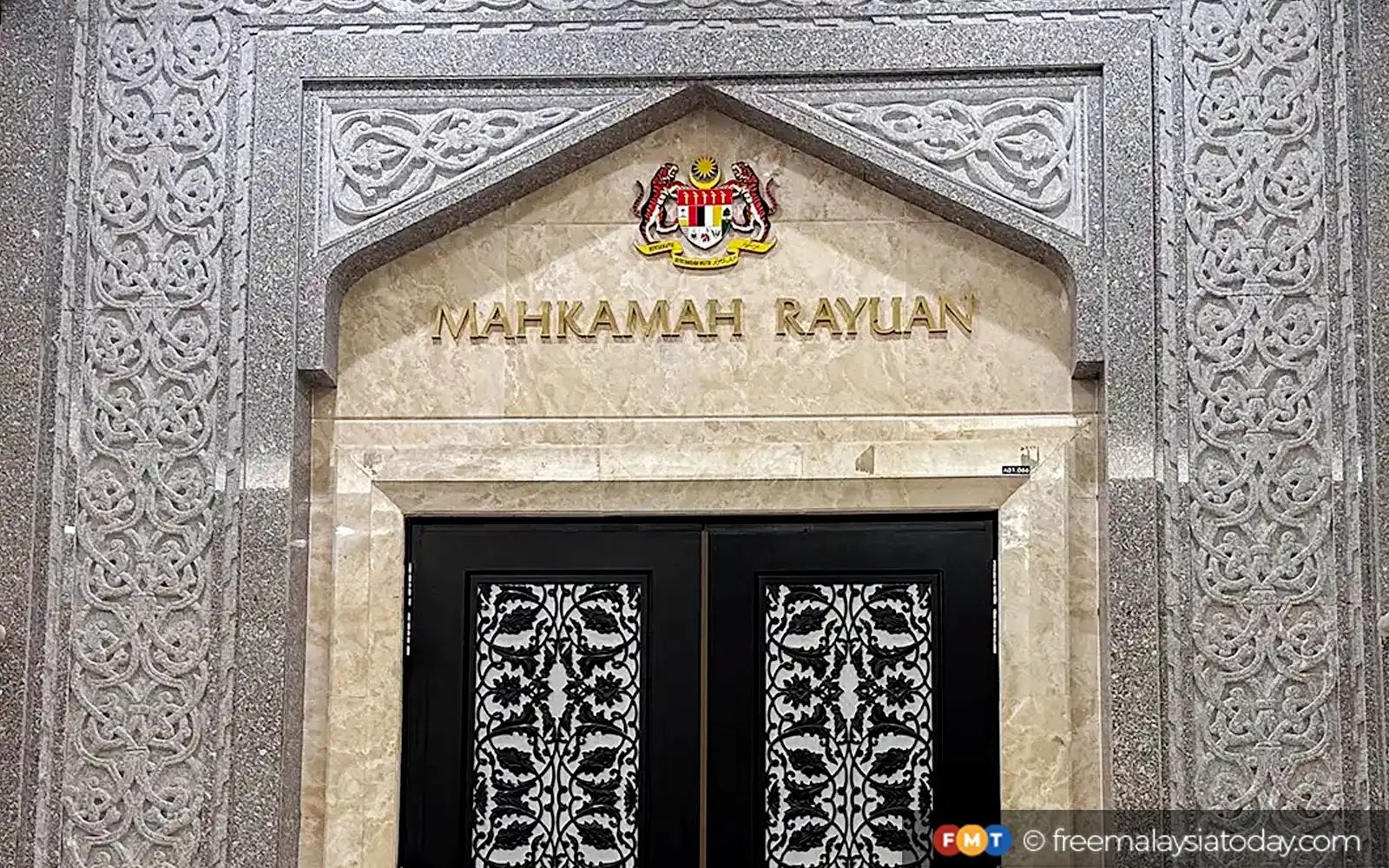
A three-member bench comprising Justices Noorin Badaruddin, Meor Hashimi Abdul Hamid and Amarjeet Singh unanimously allowed an appeal by Thirukumaran Shanmugam, overturning the decisions of the sessions and High Courts.
It held that the lower courts had wrongly applied the rule to hold the defendant responsible for an above-knee amputation suffered by plaintiff Nyana Prakash Sepiah.
Instead, the court found that a workplace accident suffered by Nyana amounted to a novus actus interveniens – a “new intervening act” – that severed the legal link between an earlier road accident and the eventual amputation.
The “thin skull rule” states that if somebody with a pre-existing condition is injured in an accident, the person responsible cannot argue that they should pay less compensation simply because the victim was more vulnerable to injury.
The present case stemmed from a road accident on Aug 14, 2014, in which Nyana suffered serious injuries to his right foot after his motorcycle collided with Thirukumaran’s car, resulting in the amputation of Nyana’s second, third and fourth toes.
Several months after returning to work, he injured the same foot when a metal bristle pierced its sole. The wound developed necrotising fasciitis – a severe flesh-eating bacterial infection – and eventually required an above-knee amputation.
Nyana argued that the road accident left his right foot vulnerable and that the later injury, infection and amputation remained legally connected to the original accident because the foot had never fully healed.
Thirukumaran accepted responsibility for the injuries sustained in the road accident, but argued that Nyana had recovered before suffering a separate workplace injury months later.
He contended that the second incident was an independent event that broke the chain of causation, meaning that he could not be held liable for the eventual amputation.
The sessions court accepted Nyana’s argument and awarded damages for the above-knee amputation and related losses. The High Court upheld that decision, ruling that the defendant had to “take the plaintiff as he found him” under the rule.
However, the Court of Appeal disagreed, holding that the workplace injury constituted a new intervening event that relieved the defendant of liability for the later amputation.
It consequently set aside all damages awarded in relation to the above-knee amputation, including compensation for the amputation itself, the cost of a lower-limb prosthesis, and other consequential losses.
The appeal was brought on Thirukumaran’s behalf by his insurer, Liberty Insurance Bhd.
Lawyers Malik Imtiaz Sarwar, JS Naicker, S Sivakumaresan and Joey Tan acted for the insurer, while Rajan Ayappan, Mabel Sabastian and Sharon Gomez appeared for the respondent. - FMT

No comments:
Post a Comment
Note: Only a member of this blog may post a comment.