


Transparency International Malaysia has called on the government to make public the implementation status of every recommendation made by the royal commission of inquiry into Lembaga Tabung Haji, using a structured, verifiable reporting mechanism.
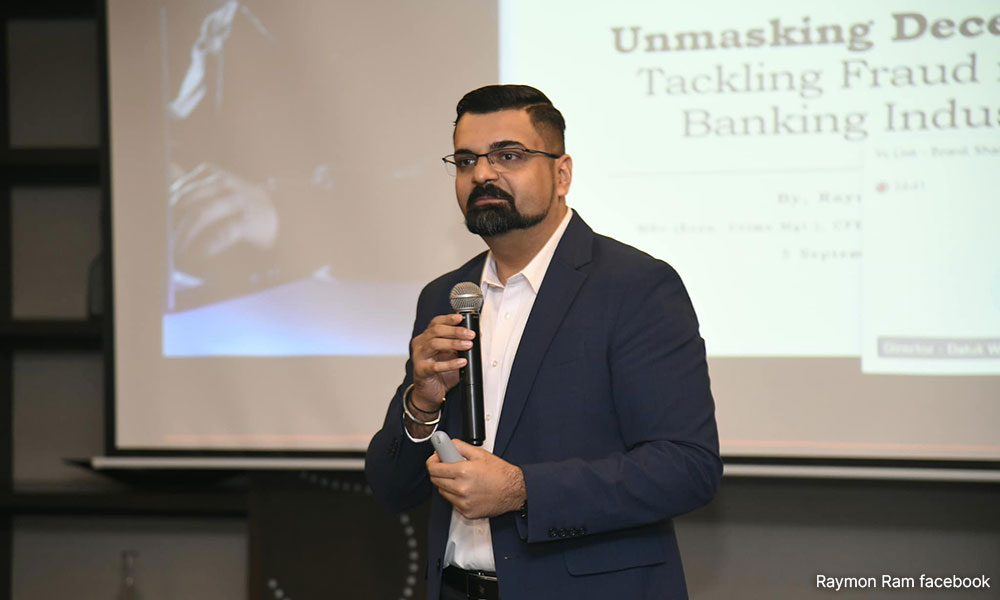
Its president Raymon Ram also urged the MACC, police, and other enforcement agencies to provide time-bound updates on investigations arising from the report, including cases previously referred to the authorities.
“Protecting depositor confidence can never justify withholding the truth,” said Raymon in a statement today.
“Genuine confidence is built through competent governance, timely disclosure, independent oversight, effective enforcement, and transparent corrective action - not prolonged secrecy.
“TI-Malaysia therefore calls on the government to move decisively from disclosure to implementation,” he said.
The RCI report was released yesterday, nearly four years after it was completed in 2022.
Raymon said Prime Minister Anwar Ibrahim’s announcement that the report would be debated during a special Dewan Rakyat sitting on Aug 11 should mark the beginning of sustained bipartisan oversight rather than a one-off political exercise.
He described the report’s findings as deeply concerning, citing systemic governance weaknesses, political interference, accounting irregularities, questionable investments, and a prolonged failure of accountability.
The RCI found that Tabung Haji should have recorded a RM1.4 billion loss in 2017, not the RM3.4 billion profit it reported.
It also found that hibah (dividend) distributions had been sustained through improper accounting practices, recommended forensic audits into 14 problematic investments and proposed barring active politicians from the boards of Tabung Haji and its subsidiaries.
Urgent reforms needed, heads must roll
“Beyond immediate enforcement, the report highlights the urgent need for structural reform,” Raymon said.
TI-Malaysia proposed amending the Tabung Haji Act 1995 to establish fit-and-proper requirements for board appointments, prohibit active politicians from serving on the board, strengthen conflict-of-interest provisions, and reduce excessive executive discretion.
“If, as reportedly recommended by the RCI, Tabung Haji is to remain a single integrated institution, its governance framework must reflect contemporary standards of independence, integrity and public accountability,” he said.
“We further call for independent forensic audits into all investments identified by the Commission, robust recovery of losses wherever possible, and the commencement of civil, criminal, or disciplinary proceedings wherever evidence warrants.
“No individual, regardless of position, political affiliation, or former office, should be shielded from due process.
“At the same time, any enforcement action must be conducted fairly, independently and strictly in accordance with the rule of law,” he said.
Raymon also warned that the delayed publication of the report could limit institutions’ ability to act decisively on its findings.
Recovery efforts
Despite documenting serious failures, the RCI acknowledged efforts by the government and Tabung Haji’s new management after 2018 to stabilise the institution, strengthen governance, and rebuild depositor confidence.
The management increased public engagement through media briefings and stakeholder meetings, while deposits rose to about RM76 billion by the end of 2020 and later reached RM88 billion.
The government also approved the Tabung Haji Recovery and Restructuring Plan in December 2018 to address the gap between its assets and liabilities.
Under the plan, underperforming assets with a market value of about RM9.7 billion were transferred to Urusharta Jamaah Sdn Bhd at RM19.9 billion.
Tabung Haji received Sukuk Murabahah instruments in return, providing a more stable income stream.
The RCI also noted that then-chief executive officer Zukri Samat resigned from positions in several subsidiaries to reduce potential conflicts of interest.
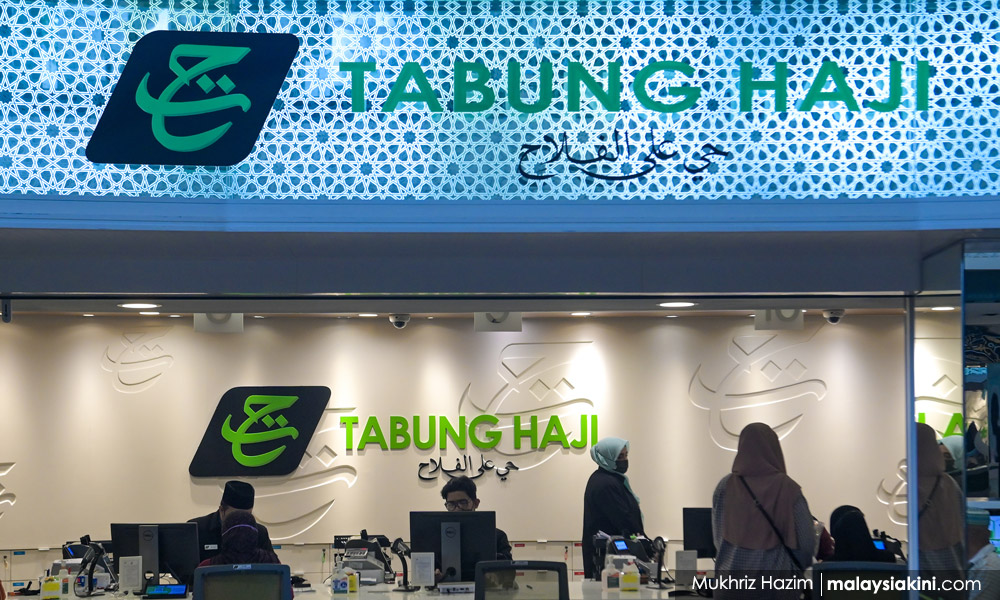
The new management initiated internal investigations, lodged police reports, and pursued disciplinary proceedings against five senior officials linked to “creative” accounting practices and unauthorised fund transfers.
Tabung Haji subsequently adjusted profit distributions to more sustainable levels based on its actual financial capacity.
It was also placed under Bank Negara Malaysia’s administrative supervision from Jan 1, 2019, to strengthen monitoring of its deposits, liquidity, and financial management.
The RCI warned that the government’s RM88 billion guarantee to depositors could be triggered if Tabung Haji failed to implement the recovery plan.
“In such circumstances, not only will TH bear the consequences but the government’s fiscal position will also be affected, and this will risk the country’s fiscal systemic stability,” the report said.
TI-Malaysia added that the progress made since 2018 must now be matched by transparent implementation, independent oversight, and accountability for past wrongdoing. - Mkini

No comments:
Post a Comment
Note: Only a member of this blog may post a comment.