


The Royal Commission of Inquiry into Tabung Haji should have been a turning point. Instead, it reminded Malaysians of a troubling repetitive pattern.
A scandal emerges. An inquiry is launched. A report is produced. Promises are made. And yet, years later, Malaysians still ask the same question: Who is responsible?
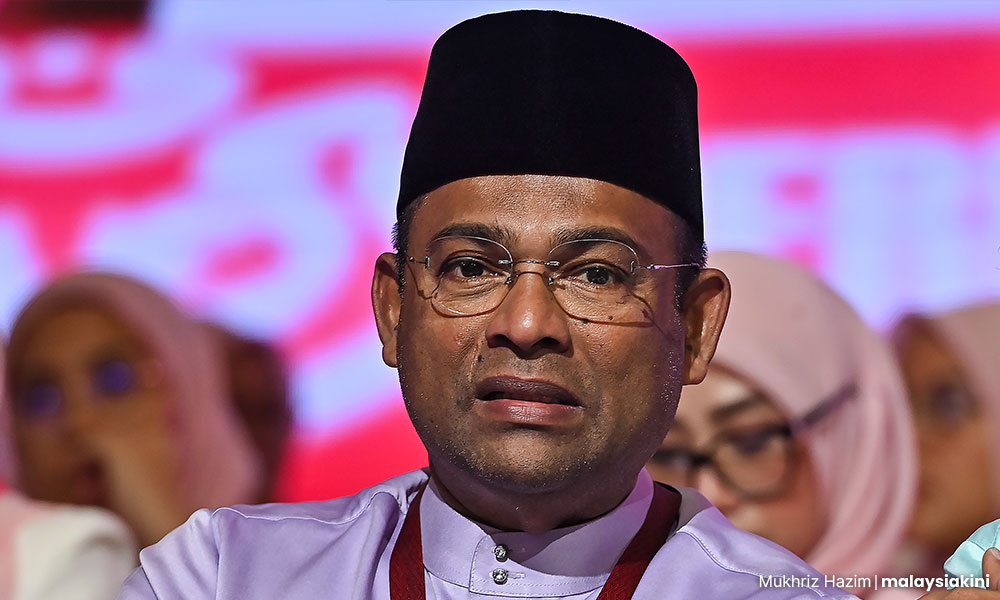
Former Tabung Haji chairperson Abdul Azeez Abdul Rahim has defended himself by saying he was merely a non-executive chairperson. He did not run daily operations, had no absolute authority, and did not know what was happening at the working level.
That raises a fundamental question.
If a chairperson knows so little about an institution under his leadership, what exactly is his responsibility?
No one expects a non-executive chairperson to manage an organisation’s daily affairs. That is the CEO’s role; but a chairperson is not appointed simply to attend meetings and receive reports. A chairperson is appointed to provide oversight.
He must question management, challenge decisions, identify risks, and ensure that the board acts in the best interests of the institution.
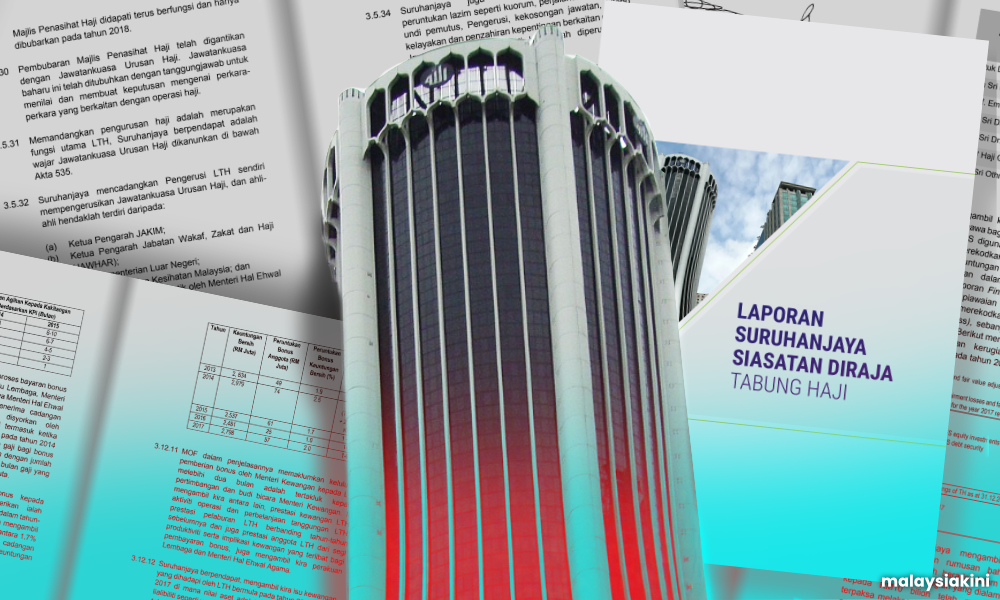
According to the RCI, the Tabung Haji board approved accounting practices involving subjective asset valuations which strengthened the institution’s reported financial position. These figures were then used to justify hibah payments and bonuses which the commission found were not financially sustainable.
These were not minor operational decisions. They were governance decisions.
A chairperson cannot claim responsibility when things go well, but distance himself when questions arise. A chairperson is not appointed because he knows everything. He is appointed to make sure that important questions are asked.
Power without accountability
Malaysia has developed a disturbing culture, whereby those at the top enjoy the authority, status, and benefits of leadership.
However, when things go wrong, responsibility appears to disappear. Management made the decisions. The CEO handled operations. The board relied on reports. The minister relied on advice.
Everyone had a role, yet nobody is responsible.
This is Malaysia’s accountability discount. The higher the position, the easier it appears to simply claim: “I didn’t know.”
Unfortunately, Tabung Haji is not an isolated case. Malaysians have heard variations of the same explanation before.
Felda. 1MDB. MAS. The Scorpene controversy. The littoral combat ships scandal.
Different institutions. Different leaders. Different circumstances.
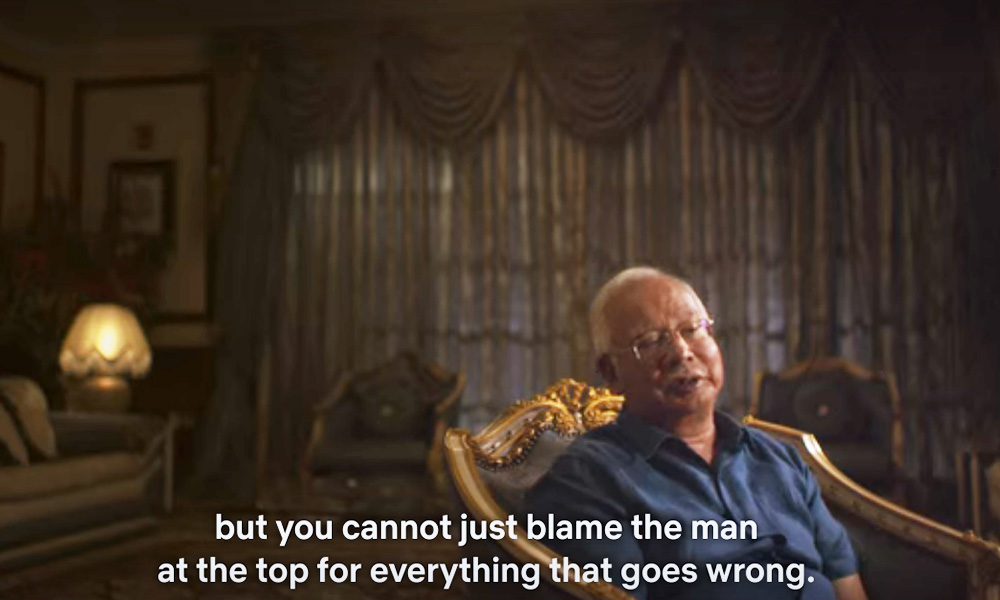
Yet the same refrain: “I wasn’t involved.” “It was management.” “The board approved it.” “Don't blame me.”
The facts of these cases are different and should be judged individually.
But the broader question remains: Why does Malaysia repeatedly fail to build institutions where responsibility follows authority?
The greatest failure is not merely that scandals happen. The greatest failure is that the lessons disappear afterwards.
More than money, a sacred trust
This is why Tabung Haji matters so deeply. It is not simply another government-linked institution. For millions of Malays and Muslims, Tabung Haji represents years of sacrifice and discipline.
Every ringgit deposited represents a dream - to fulfil one of the most important obligations in Islam.
Parents save for their children. Families put aside money for decades. Many ordinary Malaysians sacrifice other comforts because performing the haj is a lifelong aspiration.
The government was therefore entrusted with more than savings. It was entrusted with faith.

When confidence in Tabung Haji was shaken, many depositors withdrew their money. They were not reacting merely to accounting figures. They were reacting to a loss of trust.
Financial losses can be repaired. Broken trust is far harder to restore.
The Tabung Haji episode also raises a wider question about political appointments.
Why are politicians and politically connected individuals repeatedly appointed to institutions managing billions of ringgit?
A board should exist to challenge management, not simply endorse decisions placed before it. If directors do not independently question proposals, then governance becomes nothing more than a performance.
Public institutions do not need political decoration. They need professional guardians.
Structural change, not another inquiry
Malaysia does not need another RCI followed by another promise of reform. It needs structural change.
First, major public institutions should have transparent, merit-based appointments. Those managing billions of ringgit belonging to ordinary Malaysians should be selected for competence, independence, and governance experience, not political connections.
Second, RCI recommendations should not disappear into government files. Every report should trigger a formal parliamentary review, with the government required to explain what actions have been taken.
Third, those appointed to leadership positions must understand one simple principle: authority and responsibility must come together.
You cannot accept the title, influence, and benefits of leadership, then reject responsibility when failures occur.
The issue is no longer just Abdul Azeez. He represents a much larger problem.
Malaysia does not suffer from a shortage of inquiries or recommendations. It suffers from a shortage of reform and the political will to implement it.
Every government promises change when it is in opposition. Every government speaks of transparency, accountability, and meritocracy; but once in power, the temptation to preserve the same systems of patronage often proves too strong.
Real reform requires more than speeches. It requires leaders willing to change a system that may benefit those holding power.
Tabung Haji was entrusted with the hopes of millions of Muslims. Other scandals affected taxpayers, settlers, employees, and national security.
Different victims. Different institutions. Same governance failure.
Until Malaysia replaces political patronage with merit, and excuses with accountability, another scandal will come.
The institution will be different. The names will be different. But the words may sound familiar. “I didn’t know.” - Mkini
MARIAM MOKHTAR is a defender of the truth, the admiral-general of the Green Bean Army, and the president of the Perak Liberation Organisation (PLO). Find her on her website and on X.
The views expressed here are those of the author/contributor and do not necessarily represent the views of MMKtT.

No comments:
Post a Comment
Note: Only a member of this blog may post a comment.