


Parti Wawasan Negara has warned Putrajaya that it faces a tough challenge with the United States over Malaysia's long-standing anti-Israel policy.
However, party secretary-general Saifuddin Abdullah backed Putrajaya’s stand in maintaining its pro-Palestine stance despite US lawmakers’ condemnation, adding the country's position has been consistent for decades and should remain unchanged.
Eight members of the US Congress last week reportedly called for measures against Putrajaya, including cuts to military education funding if it did not reverse what they called “anti-Semitic” policy.
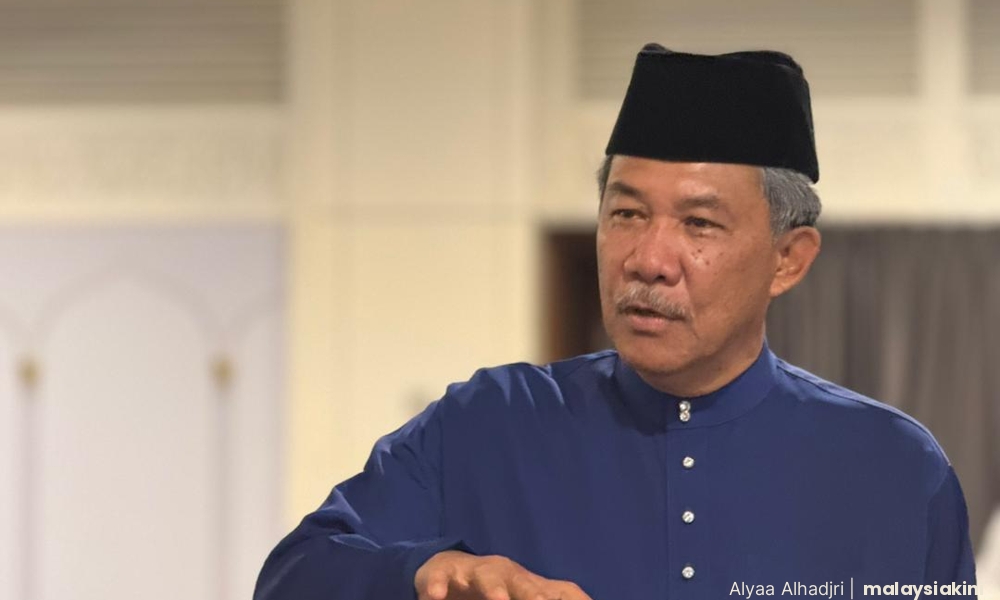
Speaking on an episode of KiniTV’s “Explain Sikit” podcast, Saifuddin (above) acknowledged that pressure from pro-Israel groups in the US was to be expected, but that Malaysia should be diplomatically prepared to handle the situation.
"Our diplomats and Investment, Trade and Industry Ministry officers must be prepared - not afraid - but prepared because they will have a really tough time. So, we must be careful," the former foreign minister said.
On July 24, Foreign Minister Mohamad Hasan said the US State Department had summoned Malaysia’s ambassador to the US to explain the nation’s policy of not recognising Israel.
This followed an investigation by Malaysian authorities against Israeli citizens with dual nationalities who had been working at tech start-up the Network School in Forest City, Johor.
Malaysia maintains zero diplomatic relations with Israel and does not recognise its statehood, instead acknowledging Palestine as a sovereign state.
Meanwhile, Saifuddin also downplayed concerns that the controversy surrounding alleged Israeli-linked individuals in Malaysia would significantly affect foreign investment.
"Of course, there is a way for our people to navigate it to prevent anything bad from happening to international trade, foreign investment coming to Malaysia and the likes," he added.
Concerns over immigration
However, the former Bersatu leader said the issue had exposed concerns over border management and immigration enforcement, pointing to previous reports involving foreign nationals entering and remaining in the country.
He questioned whether weaknesses in enforcement stemmed from leakages, corruption, technological gaps, or insufficiently prepared personnel.
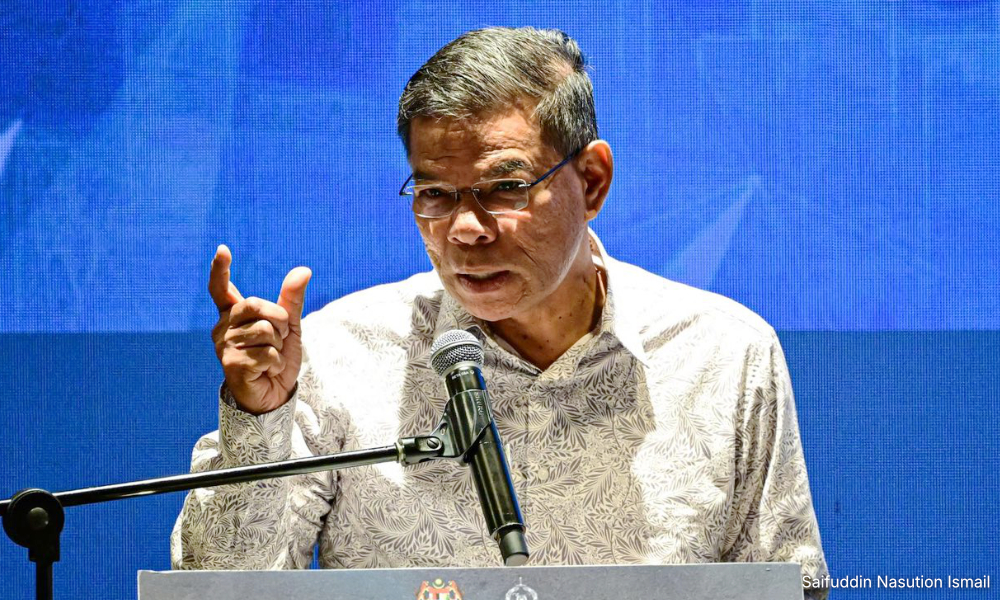
"This is why I said Home Minister (Saifuddin Nasution Ismail) should come to Parliament and explain.
"The public wants to know what is actually happening with our national security in the context of the influx of migrants, and now, the issue of foreign citizens coming here," he said.
Saifuddin urged the government to further diversify its economic and diplomatic partnerships to reduce dependence on any single country or bloc.
Strengthen ties with Brics, OIC
The Indera Mahkota MP said Malaysia should strengthen engagement with Brics countries and members of the Organisation of Islamic Cooperation (OIC), while seizing opportunities to deepen ties with Arab states.
Brics, originally comprising Brazil, Russia, India, China and South Africa, now has 10 full members and nine partner countries.
The OIC, meanwhile, comprises 57 member states, making it the world's second-largest intergovernmental organisation after the United Nations.

Collectively, Brics countries account for almost 55 percent of the world's population, while OIC member states represent about one-quarter of the global population.
Referring to regional developments, including the conflict in West Asia, Saifuddin said Malaysia should use the moment to expand cooperation with Gulf countries.
"If you ask me which country, I would say Qatar because it has shown a strong interest in diplomacy.
"We should look for ways to position Malaysia as a window to Asean for European countries and for Arab countries, particularly the Gulf states," he added. - Mkini

No comments:
Post a Comment
Note: Only a member of this blog may post a comment.