


There is a growing tendency in contemporary discourse to speak of the Malays as though they were merely another ethnic category in a population census.
Malays are placed alongside Chinese, Indians, Ibans, Kadazans, and the many other communities that make up Malaysia.
For the purposes of modern administration, such classifications may be useful. Historically, however, they are inadequate. They do not fully explain what it has meant, over centuries, to be “Malay”.
Malay identity has never been simply a matter of ancestry or DNA. It is also a civilisational identity, shaped over a long historical process by language, Islam, adat, the Malay sultanates, legal traditions and, crucially, a people’s relationship with the land in which that civilisation developed.
Anthony Milner, in “The Malays”, demonstrates why the question “Who is a Malay?” cannot be answered through a static racial definition. Malay identity evolved across different periods and political settings.
An all-encompassing identity
This helps explain the long history of assimilation within Malay society. Bugis, Minangkabau, Javanese, Banjar, Mandailing, and other communities from the wider Malay Archipelago became incorporated into the Malay world of the peninsula.
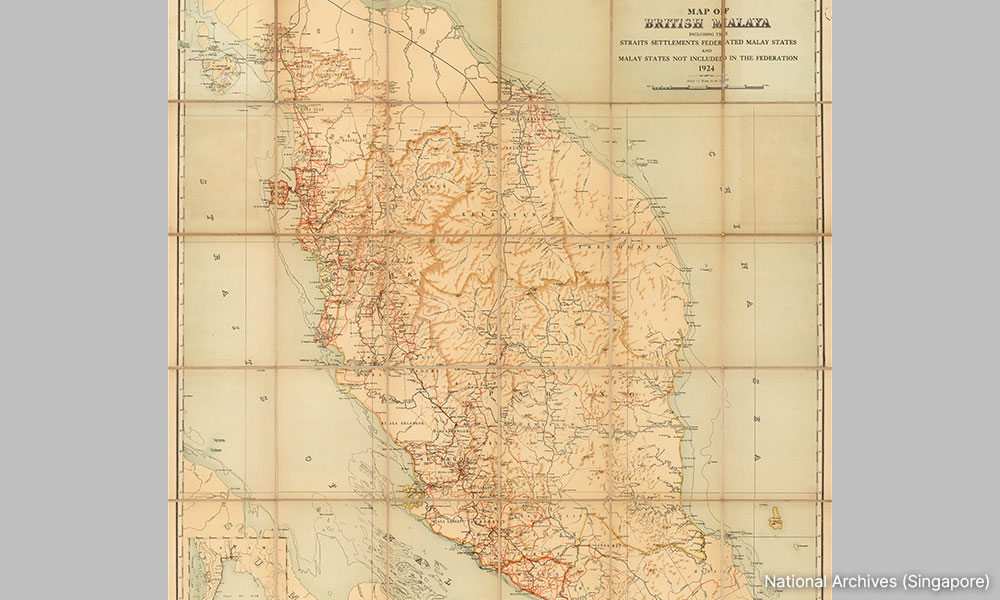
They did not need to share an identical bloodline. What increasingly bound them together were language, custom, political institutions and, eventually, an enormously important element in the formation of Malay identity: Islam.
This is where the scholarship of Syed Muhammad Naquib al-Attas remains relevant. The coming of Islam to the Malay world was not simply a change in religious ritual. It transformed the Malay worldview, language, intellectual traditions, and culture.
Malay developed into a language of intellectual discourse; Jawi became an important medium of knowledge; the sultanates acquired an increasingly Islamic political character; and Malay legal traditions absorbed elements of Islamic law.
The Malay, therefore, cannot be understood merely as a racial category. Over time, Malay identity developed the characteristics of a civilisation, and civilisations invariably have geographical and historical spaces in which they take root.
For the Malays, that historical space was Tanah Melayu - the Malay lands, or Malaya - within the wider Malay world.
Acknowledged by the British
This is why the term “Tanah Melayu” is neither a recent political invention nor a slogan manufactured by Malay politicians in the 21st century.
In a recent controversy, Kedah Menteri Besar Sanusi Nor drew attention to several revealing passages in the British parliamentary record.

Whatever one may think of Sanusi’s politics or rhetoric, the historical records he invoked deserve to be examined on their own terms.
On March 8, 1946, during the House of Commons debate on the Straits Settlements (Repeal) Bill amid the controversy over the Malayan Union, former colonial secretary Oliver Stanley described Malaya as “the traditional home of the Malays”.
Stanley also acknowledged the Malay character of the country before the large-scale arrival of Chinese and Indian communities during the colonial era, a migration encouraged in significant part by the economic conditions and policies of British rule.
Three years later, on April 13, 1949, Lord Killearn told the House of Lords, in reference to Malaya: “As the name implies, it is the land of the Malays.”
Then came perhaps the most striking statement. On July 29, 1957, barely a month before independence, Lord Ogmore spoke during the debate on the Federation of Malaya Independence Bill.
His words were unambiguous: “Malaya is the Malays’ only home.”
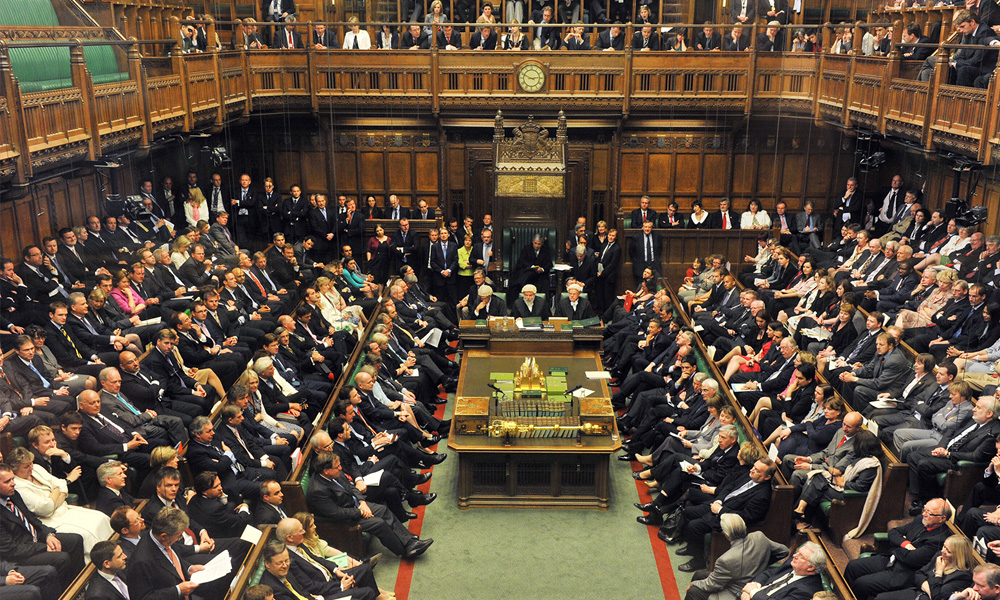
Sanusi recently expressed essentially the same proposition when he said that the Malays have only Tanah Melayu as their homeland.
One may disagree with his political style, but it would be difficult to argue that the underlying historical proposition suddenly appeared from nowhere.
Nearly seven decades earlier, remarkably similar words had already entered the official record of the British Parliament.
Constitutional position
Yet history should never be read selectively. In the same broad debate over Malaya’s political future, British parliamentarians also recognised the reality of Chinese and Indian communities who had made Malaya their permanent home.
Stanley, having described Malaya as the traditional home of the Malays, did not therefore conclude that other communities should forever remain outsiders.
Nor did Ogmore invoke the Malays’ historical connection to Malaya to deny the place of other communities. As independence approached, the emphasis was increasingly upon the different communities making the new constitutional settlement work together.
This distinction is essential, particularly in Malaysia today. To recognise Malaya as the historical homeland of the Malays is not to deny Malaysia as the homeland of non-Malay citizens.
The two propositions are not mutually exclusive. One concerns historical origins; the other concerns citizenship in a modern constitutional nation.
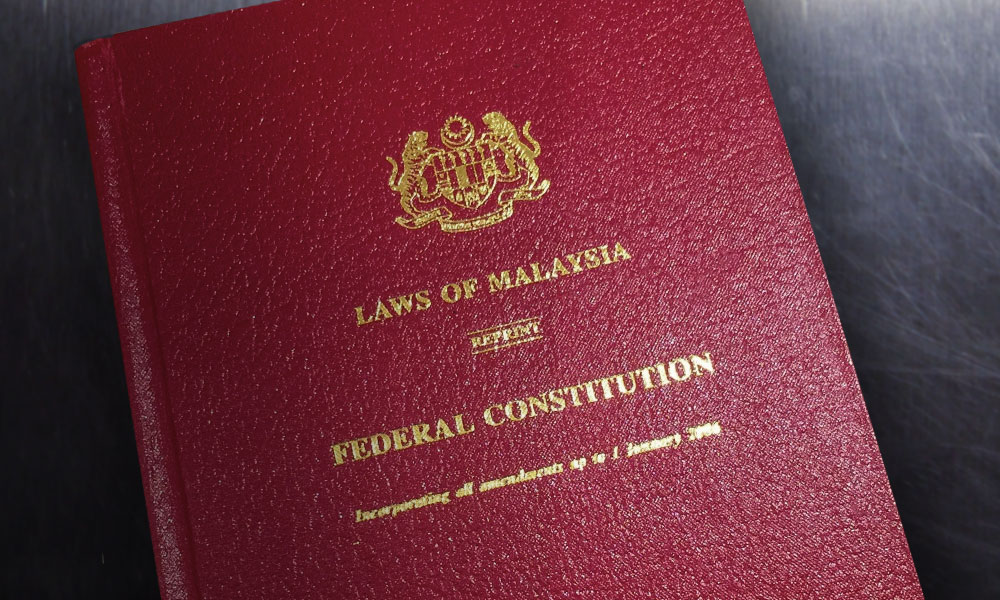
The Federal Constitution itself demonstrates why Malay identity cannot be reduced to biology. Article 160(2) does not prescribe a DNA test for Malayness; its definition is connected to Islam, the Malay language, Malay custom, and specified historical conditions.
Neither did Malaysia’s constitutional architecture emerge from a vacuum. The Malay rulers remained integral to the new constitutional order.
Malay became the national language. Islam was accorded its constitutional position. The special position of the Malays and the natives of Sabah and Sarawak was constitutionally recognised, alongside the legitimate interests and constitutional rights of other communities.
These arrangements did not materialise accidentally. They reflected the historical foundations upon which the modern federation was constructed.
One of the problems in contemporary discussions of Malaysian history is the tendency to behave as though the country began at midnight on Aug 31, 1957. It did not.
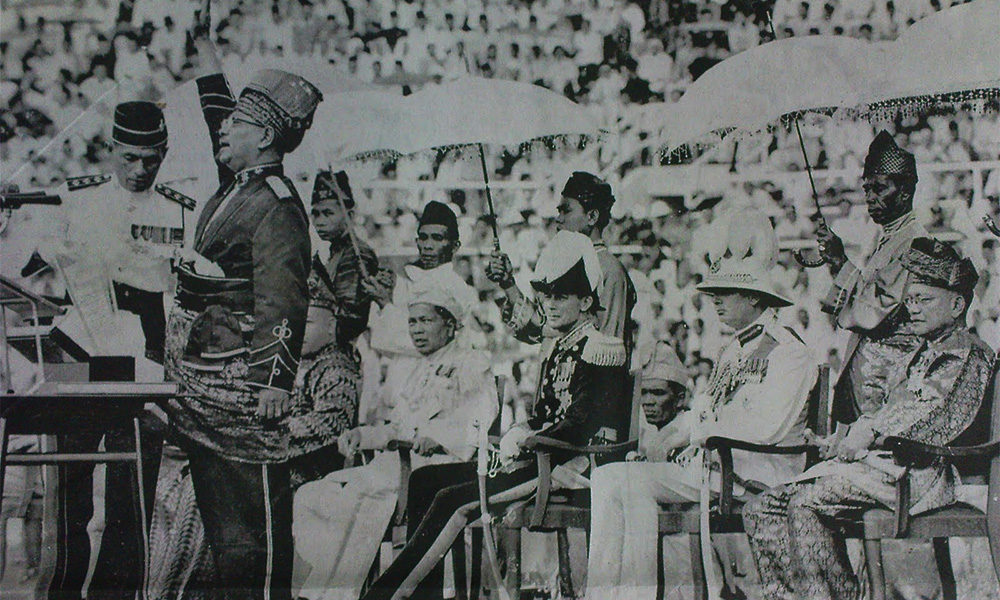
Before independence, there were Malay states, Malay rulers, political institutions, languages, customs, and legal traditions that had developed over centuries.
Independence was not the creation of a nation upon an empty geographical canvas. It was the construction of a modern constitutional state upon political and historical structures that already existed.
Malaysia then came into being in 1963 with Sabah and Sarawak. The federation expanded, and a common Malaysian citizenship developed further. But the creation of a larger federation did not erase the history that preceded it.
Non-Malays belong in Malaysia too
Perhaps the debate becomes less combustible if we distinguish between two concepts: historical homeland and civic homeland.
Tanah Melayu is the historical homeland of the Malays because it was here that Malay kingdoms and sultanates developed, the Malay language flourished, Malay adat evolved, and a Malay-Islamic political tradition took shape.
Malaysia today, however, is the civic homeland of every Malaysian citizen.
A Malaysian of Chinese descent need not look to China for his political homeland. Nor must a Malaysian of Indian descent look to India. Generations have been born here, raised families here, contributed to this country and participated in building modern Malaysia.
Malaysia is their country too.
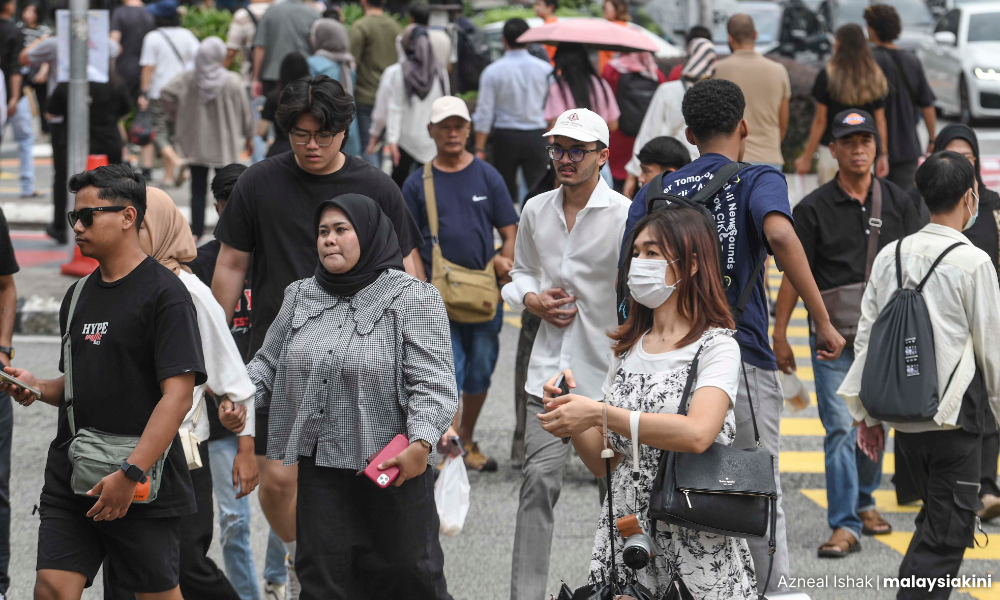
But recognising that civic reality should not require Malays to erase their own historical memory. Malaysia does not have to choose between acknowledging its Malay historical foundations and embracing itself as a multi-ethnic constitutional nation.
What should be rejected are the two extremes: using Malay history to diminish the citizenship or belonging of other Malaysians, and using Malaysia’s multicultural character to pretend that its Malay historical foundations never existed.
A tree that can accommodate everyone
Malaysia today is perhaps best imagined as a large tree. Its branches have grown in many directions, and its leaves are of many shades.
Yet, a tree still has roots. The historical roots of this country cannot be separated from the Malays, Islam, the Malay language, the Malay rulers and the history of the Malay states.
Recognising those roots does not require us to cut off the branches. On the contrary, strong roots allow a tree to grow wide enough to shelter many.
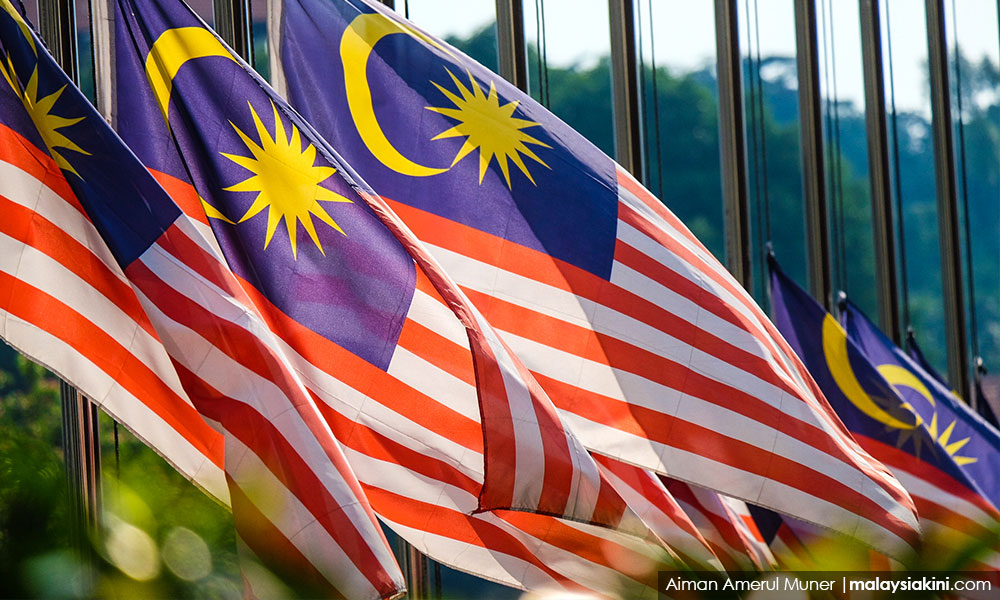
There should, therefore, be nothing provocative about acknowledging Tanah Melayu as the historical homeland of the Malays. Even the Parliament of the former colonial power recorded that historical understanding.
What Malaysia requires is not historical amnesia, but the maturity to distinguish history from hostility and heritage from exclusion.
Our historical roots may have a particular origin, but the shade of the Malaysian tree belongs to all its citizens. - Mkini
YUSFARIZAL YUSSOFF is Selangor PAS information chief.
The views expressed here are those of the author/contributor and do not necessarily represent the views of MMKtT.

No comments:
Post a Comment
Note: Only a member of this blog may post a comment.