


Civil society groups (CSOs) have called for the immediate cancellation of a Home Ministry‑linked study on so‑called “anti‑riot laws”.
They warned that its framing risks conflating peaceful assemblies with violence, extremism, and terrorism, leading to the authorities justifying future crackdowns on dissent.
The groups emphasised that peaceful assemblies should not be seen as a threat, but as a fundamental right, especially within the democratic landscape.
At a press conference in Petaling Jaya yesterday, representatives from several CSOs issued a joint statement signed by 32 groups, addressing their concerns over the study.
In addition, they also listed three demands - urging the government to cancel the study, be transparent on the academic grants given for the study and immediate amendments to the Peaceful Assembly Act, especially in the wake of the Attorney-General’s Chambers’ latest move to seek a review of a Federal Court ruling that declared Section 9(5) of the Act unconstitutional.
Among those who voiced out their concerns at the presser today were Suaram coordinator Azura Nasron, Bersih’s Anas Nor Azim, Mandiri’s Wong Kueng Hui, Liga Mahasiswa Malaysia’s Ahsanul Akmal, Liga Rakyat Demokratik‘s Hamdin Nordin and BDS Malaysia’s Isa Maarof.
The study, jointly conducted by the Home Ministry, Universiti Kebangsaan Malaysia, and the Malaysian Public Security Institute (Ipsom) outlined its main objective as “assessing the effectiveness of existing laws on riot prevention.”
Several topics that were outlined within the questionnaire include asking respondents about the likelihood of riots happening in Malaysia, and its possible instigating factors.

In rejecting the study, Suaram coordinator Azura Nasron said the questionnaire sent to them appears to be “conflating peaceful assemblies with riots and extremism.”
“The questionnaire frames it as though they are taking pre-emptive measures against peaceful protests, and risks falling into being enforced in the same way as previous laws, such as the Internal Security Act, to silence dissidents.
“Even when wrapped in seemingly neutral language, this approach is similar to preventive laws in Malaysia that have proven to be problematic,” she said.
‘Digital riots’
Azura also questioned the term “digital riots” mentioned in the questionnaire, where the study asked if laws preventing such incidents should also be enforced in Malaysia.
“The usage of this term is very problematic. What are ‘digital riots’ supposed to mean? Does it include people posting and sharing on social media?
“This is very vague terminology, and it risks increasing government surveillance and criminalising dissent,” said Azura.

Further, she highlighted that “securitisation” should not be the way to approach such matters, and that peaceful assemblies were a fundamental, democratic right.
She pointed out how such measures of scrutinising and pre-emptively clamping down on peaceful protests were also contradictory to the International Covenant on Civil and Political Rights (ICCPR).
“Although the questionnaire does not explicitly mention anti-terrorism laws, we fear that the framing of this study may lead to activists being labelled as terrorists and extremists.
“The narrative of activists being viewed as ‘terrorists’ is nothing new, and such framing risks us going down that path,” she added.
‘You were arrested, too’
Wong reminded that many leaders within the current government have also previously been arrested under the “draconian laws” which they initially protested against.
“It has not been proven that the enforcement of new laws would be able to stifle public assemblies. Where are the statistics on the number of riots which have happened in Malaysia, to a point where the government finds it necessary to conduct such studies on ‘anti-riot’ laws?” he said.
He also pointed out that previously, many outbreaks of violence and “riot-like” activities at peaceful demonstrations have also been instigated by the authorities, and by bad-faith provocateurs.
“If we look at the past, most ‘riots’ and violent outbreaks at peaceful protests have originated from the authorities themselves. For example, we have seen instances of police brutality where protesters are beaten up, or when the police have chosen to spray tear gas during the Bersih protests,” he reminded.
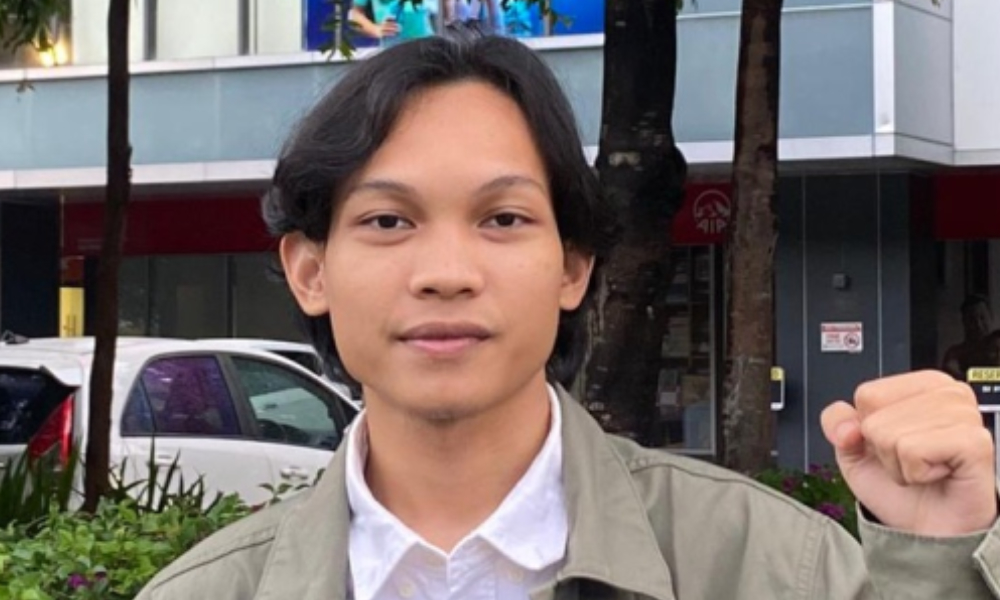
Separately, Hamdin also highlighted that the framing of linking peaceful assemblies with rioting was also reminiscent of the previous BN regime’s use of intimidation.
“The previous establishment often used the term ‘perhimpunan haram’ (illegal assembly) to intimidate protesters exercising their fundamental rights.
“The language and framing implied in this study lead us to fear that similar rhetoric will be imposed, where peaceful protests will risk being labelled as ‘riots’,” he said.
“When such terms like ‘riots’ are brought up and discussed in Parliament, it will likely intimidate and invoke fear within the public from exercising their democratic rights,” he added.
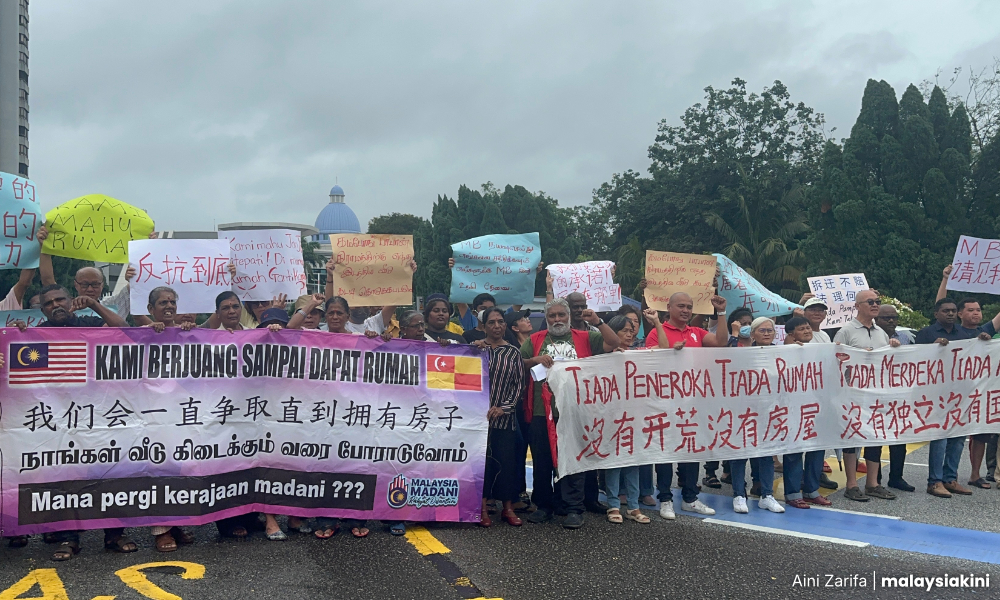
Hamdin also urged for full transparency and accountability regarding the grants and concessions which have funded the study, as it involves public funds.
He cautioned against such studies being used to waste the rakyat’s money, especially if their objectives and aims were not transparently disclosed for public scrutiny. - Mkini

No comments:
Post a Comment
Note: Only a member of this blog may post a comment.