


KINIGUIDE | The Tanjung Sepat pig farming issue recently drew widespread public attention, with Selangor ruler Sultan Sharafuddin Idris Shah challenging assemblypersons to live near pig farms to experience the problems firsthand.
The royal intervention followed a peaceful protest by over 200 pig farmers and industry stakeholders who urged the relaxation of allegedly harsh conditions imposed by the government.
This KiniGuide aims to provide a better understanding of the dispute, which goes back to early last year.
What happened early last year?
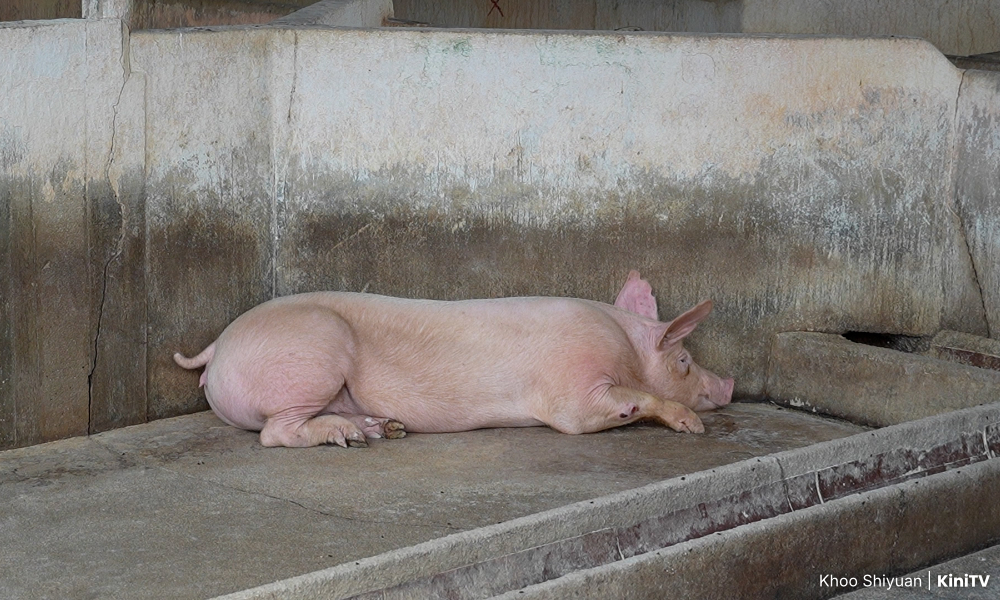
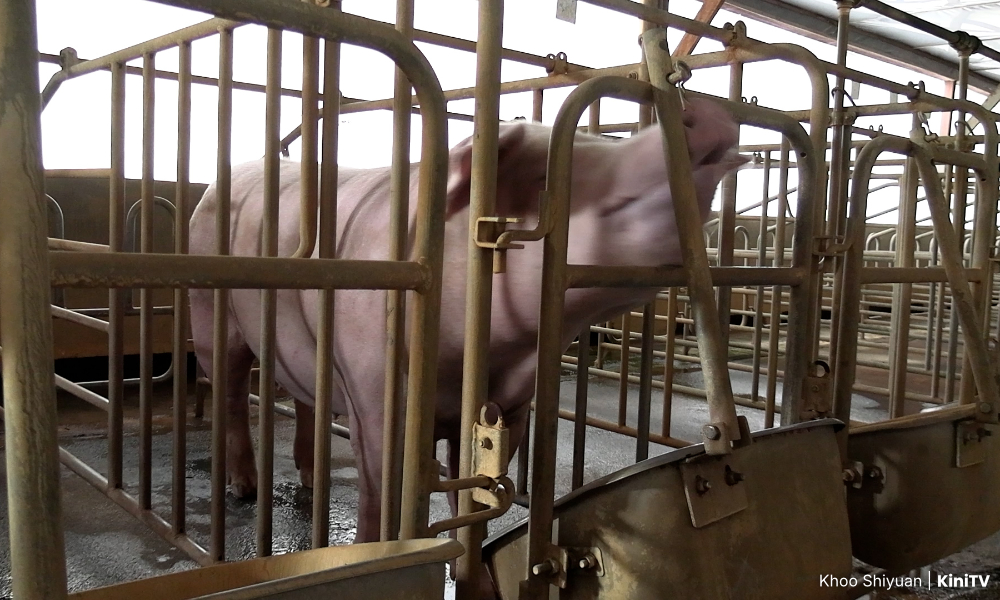
Tanjung Sepat, located in the Kuala Langat district of Selangor, is home to 114 legal pig farms. Most have operated in the area for over 60 years and are multi-generational family businesses.
In January 2025, an outbreak of African Swine Fever (ASF) occurred in the area.
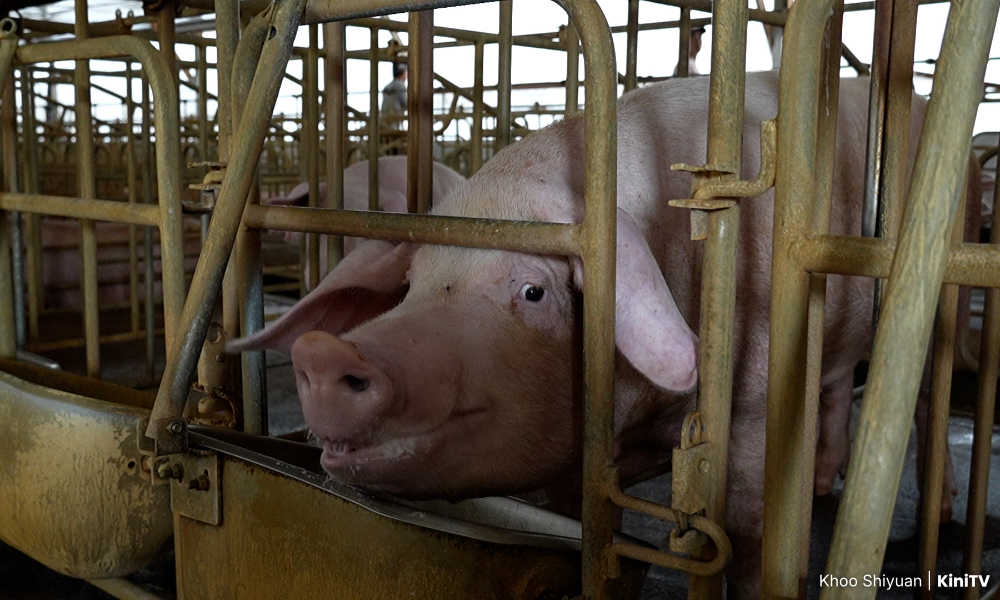
On Jan 22 that year, the Selangor Veterinary Services Department (DVS) received reports of suspected ASF outbreaks at several pig farms in Sepang and Kuala Langat. This led to large-scale testing and the subsequent culling of pigs once the infections were confirmed.
Selangor DVS director Hassuzana Khalil stated at the time that out of 114 farms tested, 56 farms, or about 49 percent, were positive. Consequently, culling orders were issued under Section 19 of the Animals Act 1953.
Kuala Langat Pig Farmers Association member Lim Hock Meng pointed out on Jan 9 this year that the authorities culled pigs from over 70 farmers during eight months between Jan 30 and Aug 23 last year to contain the disease.
Why the recent controversy?
In the past, pig farms in Tanjung Sepat were required to hold DVS licences, which were renewed annually. However, since June last year, they could not obtain licence renewals, rendering them unable to operate legally after Jan 1 this year.
Last Wednesday (Jan 7), Selangor state executive councillor Ng Sze Han revealed that after receiving the farmers’ appeals, he immediately contacted Deputy Agriculture and Food Security Minister Chan Foong Hin and the DVS, and also raised the issue with the Selangor state executive council.
“After multi-party discussions, the DVS agreed that, provided disease prevention and control measures are maintained, it would not object to and would approve the farmers’ applications for licence extensions,” he said.
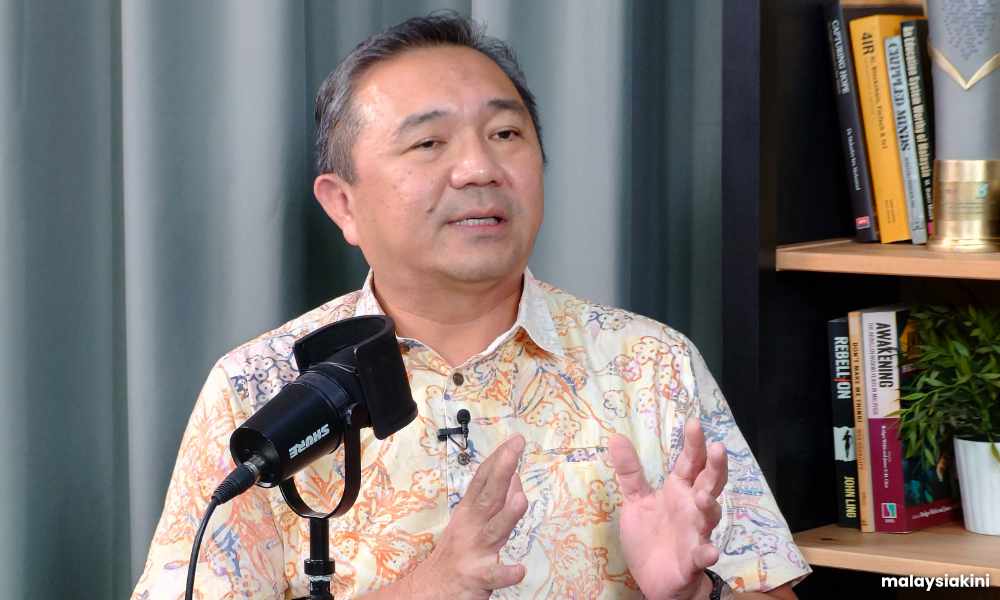
The following day, state executive councillor for infrastructure and agriculture Izham Hashim announced that as long as farms meet the requirements of being enclosed, having zero discharge, and maintaining buffer zones within one year, they can apply for semi-annual licence renewals, with the additional condition that no swine fever occurs at the farm.
What is the Bukit Tagar project?
During a press conference last Thursday (Jan 8), Izham also proposed a long-term solution: relocating the state’s pig farms to Bukit Tagar in the Hulu Selangor district within three years to implement centralised operations.
He noted that the site is expected to cover about 202ha, which is equivalent to 283 football fields, and may be gazetted as private land for pig farming purposes.
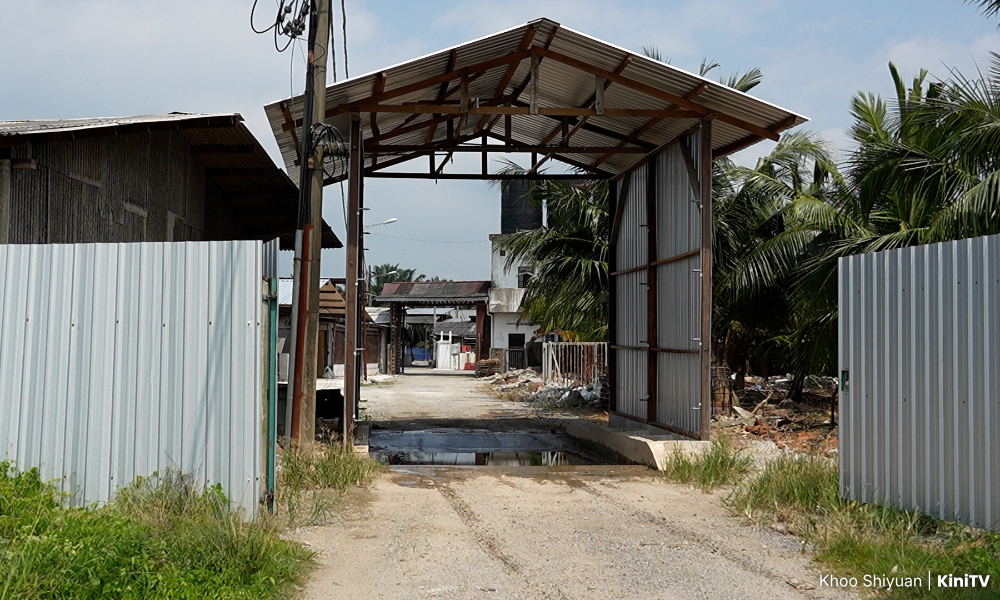
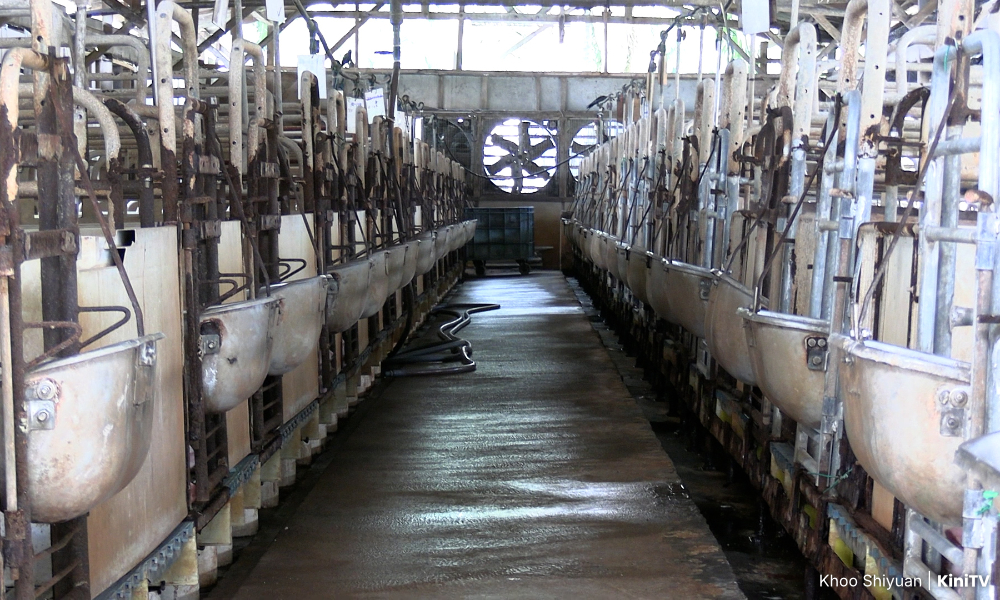
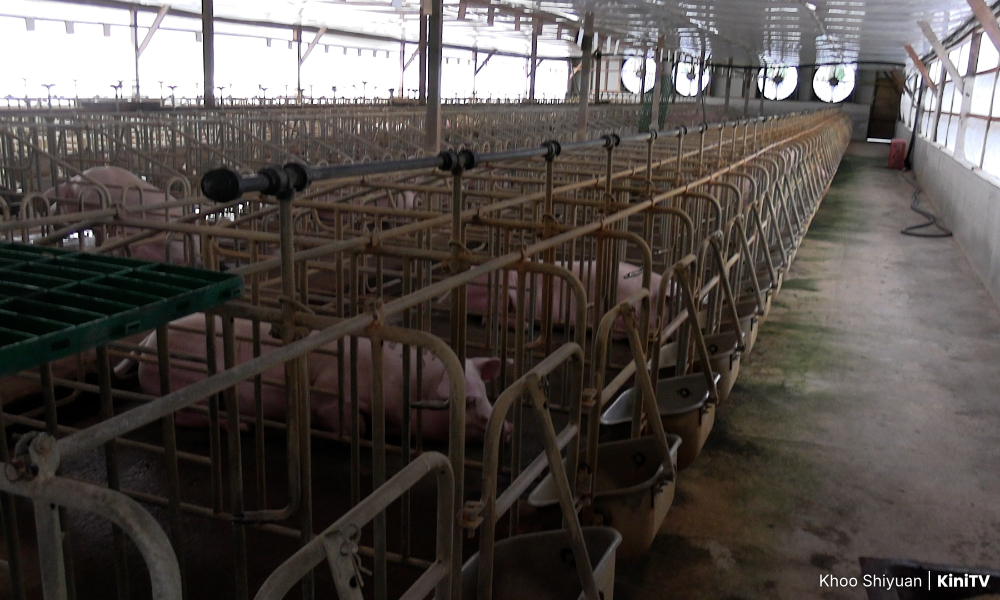
Izham emphasised that Bukit Tagar will adopt modern and high-tech farming models to solve long-standing pollution problems that have plagued residents, including:
Enclosed operations: Utilising closed housing to enhance biosafety levels.
Zero discharge: Strictly prohibiting wastewater from entering rivers by implementing comprehensive treatment.
Waste-to-energy: Transforming livestock waste into biogas to generate electricity.
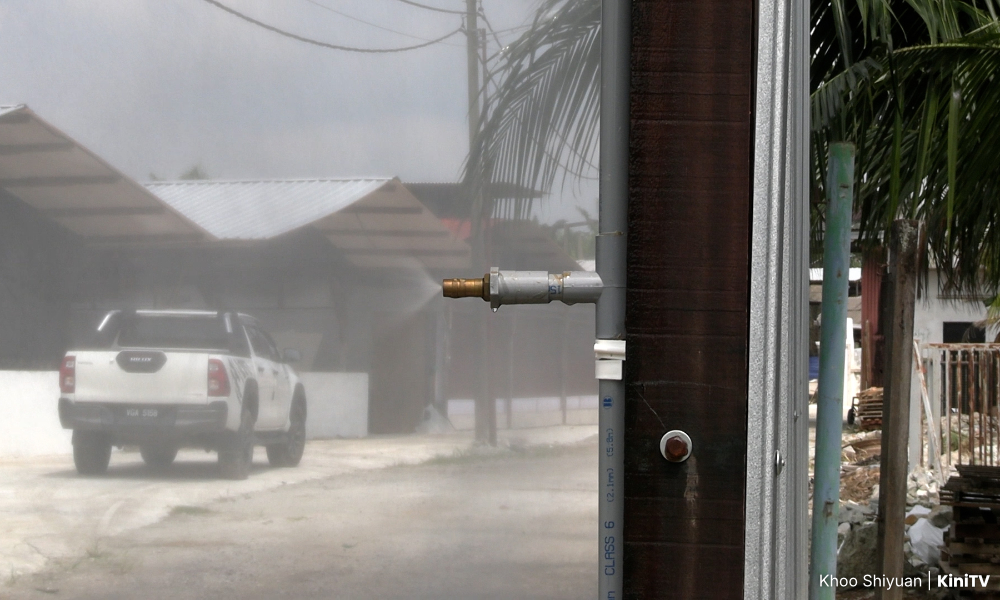
Buffer zones: Selecting a site far from residential areas with sufficient buffer zones to control odours and the spread of diseases.
On Monday (Jan 12), Izham clarified that the Bukit Tagar project is a private initiative, and the state government is only responsible for coordinating the necessary approvals.
He also explained that the planned site requires such a vast area as the new pig farms must have buffer zones; in addition to the outer perimeter, buffer zones are also required between individual farms.
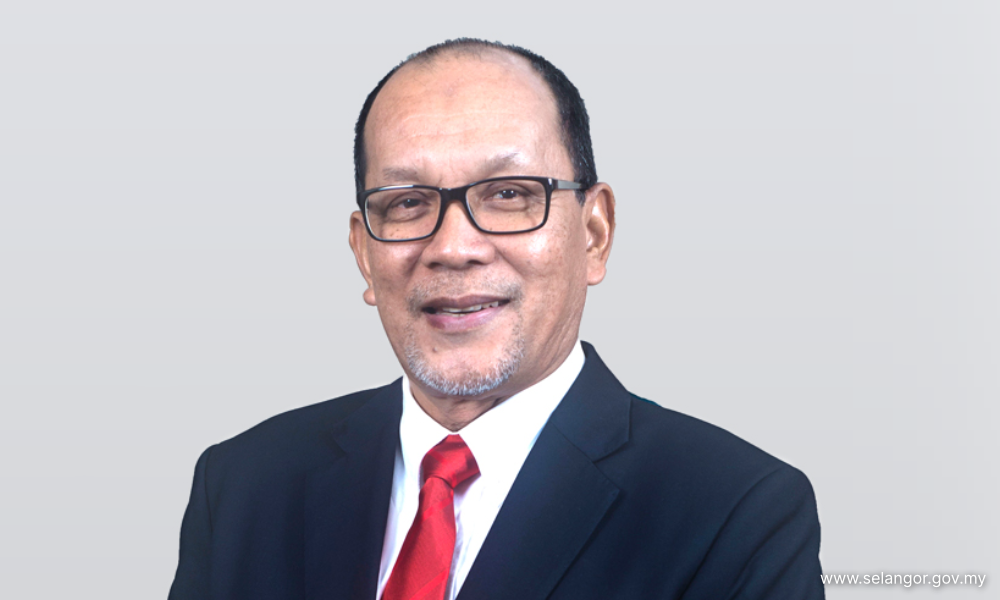
Regardless, the concept of a modern centralised pig farming area like the Bukit Tagar project is not entirely new or unexpected; there was even a preliminary plan in the past located in Tumbuk, Tanjung Sepat.
According to Izham, the idea and discussions regarding the establishment of a modern centralised pig farming area existed at the state government level as far back as when BN administered Selangor.
Meanwhile, Selangor Bersatu associate wing chief Goh Gaik Meng, along with some pig farmers, pointed out that the government had planned a “modernised centralised pig farming zone” in Tumbuk as early as 22 years ago.
At that time, farmers signed letters of support and committed to relocating, but the plan was never realised.
Why did pig farmers hold a peaceful protest?
Over 200 pig farmers and related industry stakeholders gathered in front of the Kuala Langat Pig Farmers Association on Jan 9 to launch a peaceful protest against the excessively harsh conditions and urged the government to relax them.
They pointed out that in the absence of government funding or technical support packages, expecting them to self-fund expensive renovation projects within a short timeframe was “asking for the impossible”.
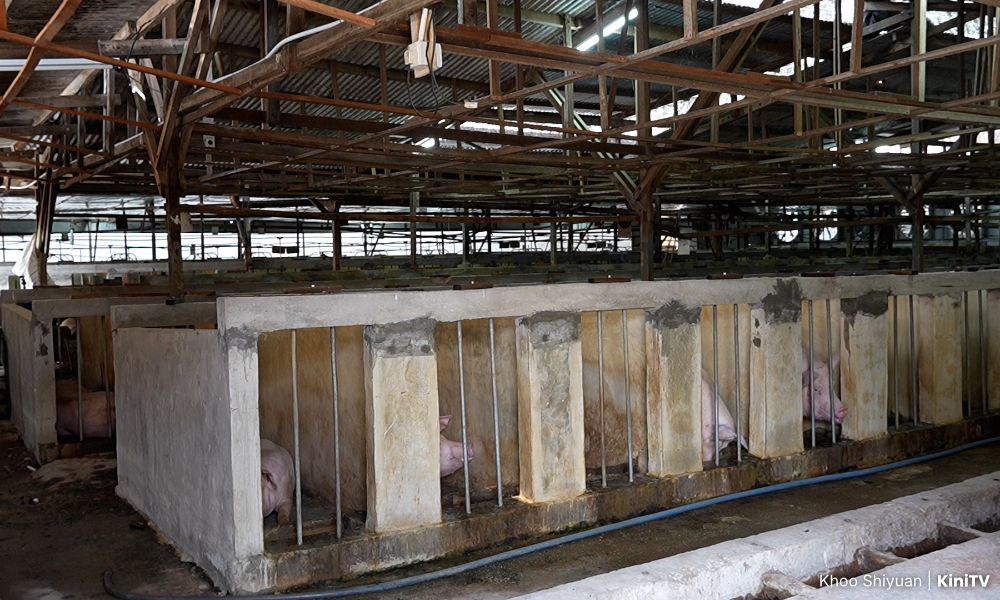
The farmers also said they have yet to receive a single sen in compensation for last year’s ASF culling operations. After suffering significant losses, being forced to bear high transformation costs has left them disheartened.
Former state executive council member Ronnie Liu pointed out that requiring small and medium-scale pig farmers to self-fund their transformation without public funding, unified technical solutions, and government-led infrastructure is tantamount to packaging “elimination” as “environmental protection”.
Farmers also questioned why the government required them to invest heavily in upgrading existing facilities within a mere one to three years when they are ultimately expected to relocate to Bukit Tagar anyway. They argued that this is highly unreasonable.
They also expressed concern that reducing the licence validity from one year to six months, coupled with a potential “gap period” before the 2029 relocation, leaves them anxious about future operations.
Furthermore, they claimed that although the government proposed modernisation requirements, it failed to provide specific planning blueprints or design standards for farmers to reference, leaving them at a loss.
In addition to pig farmers, feed industry players, transporters, and cooked food hawkers also participated in the peaceful protest. They worry that pork prices will continue to climb, directly impacting their businesses.
What is the Selangor ruler opposing?
The day after the pig farmers’ public protest, the situation took a significant turn.
On Jan 10, Sultan Sharafuddin issued a statement via his office, firmly opposing the renewal of licences for Tanjung Sepat pig farms. He went as far as challenging assemblypersons to live next to the pig farms themselves to experience the issues firsthand.
The Selangor ruler disagreed with using Kuala Langat as a temporary site before the pig farming industry moves to Bukit Tagar, fearing that the pollution, which has persisted for 16 years, would further deteriorate.
He questioned whether there were issues of corruption or conflicts of interest in the planning of Bukit Tagar, suggesting that politicians or businesspersons might be benefiting from it.
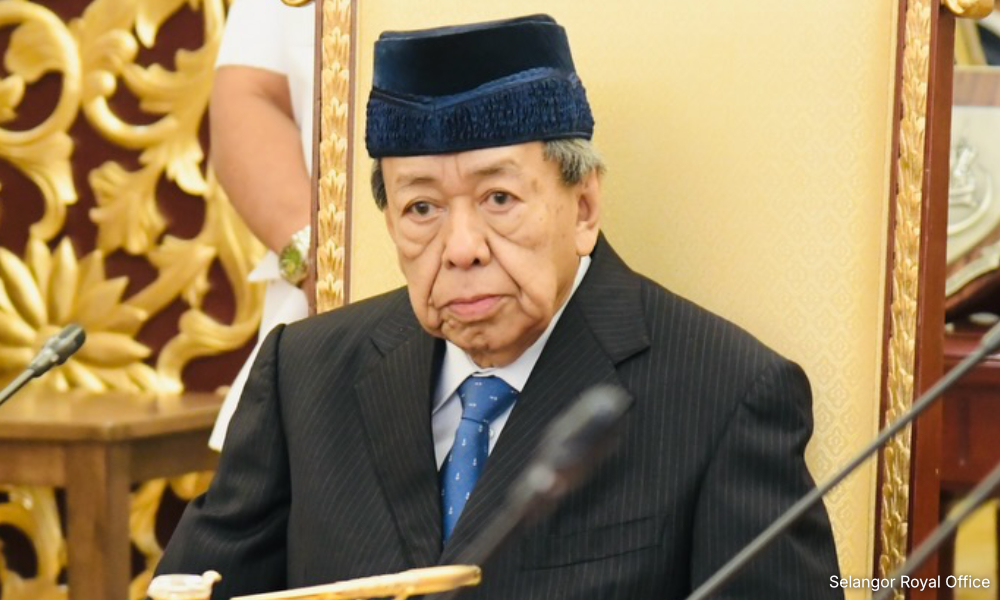
Sultan Sharafuddin also criticised large-scale and export-oriented pig farming projects for lacking sensitivity, stating they are inappropriate for a state with a predominantly Muslim population and social harmony.
He also spoke out for the residents of Kuala Langat, emphasising that they have faced odours, river pollution, and fly problems for years, which have severely affected their quality of life - problems that have existed since 2010 and have not been fully resolved.
The sultan further noted that his own palace is nearby and is similarly affected by the odours from the pig farms.
That same evening, Selangor Menteri Besar Amirudin Shari explained that Izham would seek an audience with the sultan to report on the details of the state executive council’s decision, including measures to strengthen enforcement of environmental safety and hygiene.
What was the outcome of the audience?
After being briefed by the Selangor government on Monday (Jan 12), the sultan of Selangor decreed that the pig farms in Tanjung Sepat must cease operations in stages and relocate to Bukit Tagar.
Furthermore, the scale of pig farming must be limited to domestic demand only and not be exported.
The ruler also ordered the state government not to provide any financial allocations or investments for pig farming activities.
Following the audience, Izham held a press conference to explain that, upon clarification, the state government’s plan and the sultan’s suggestions were essentially identical.
He attributed the sultan’s earlier dissatisfaction to his own failure to explain the details clearly.
He stated that the previously mentioned buffer period is now abolished, and existing pig farms in Kuala Langat and Sepang must relocate immediately in stages this year. Subsequently, they will be allowed to apply for annual licence renewals.
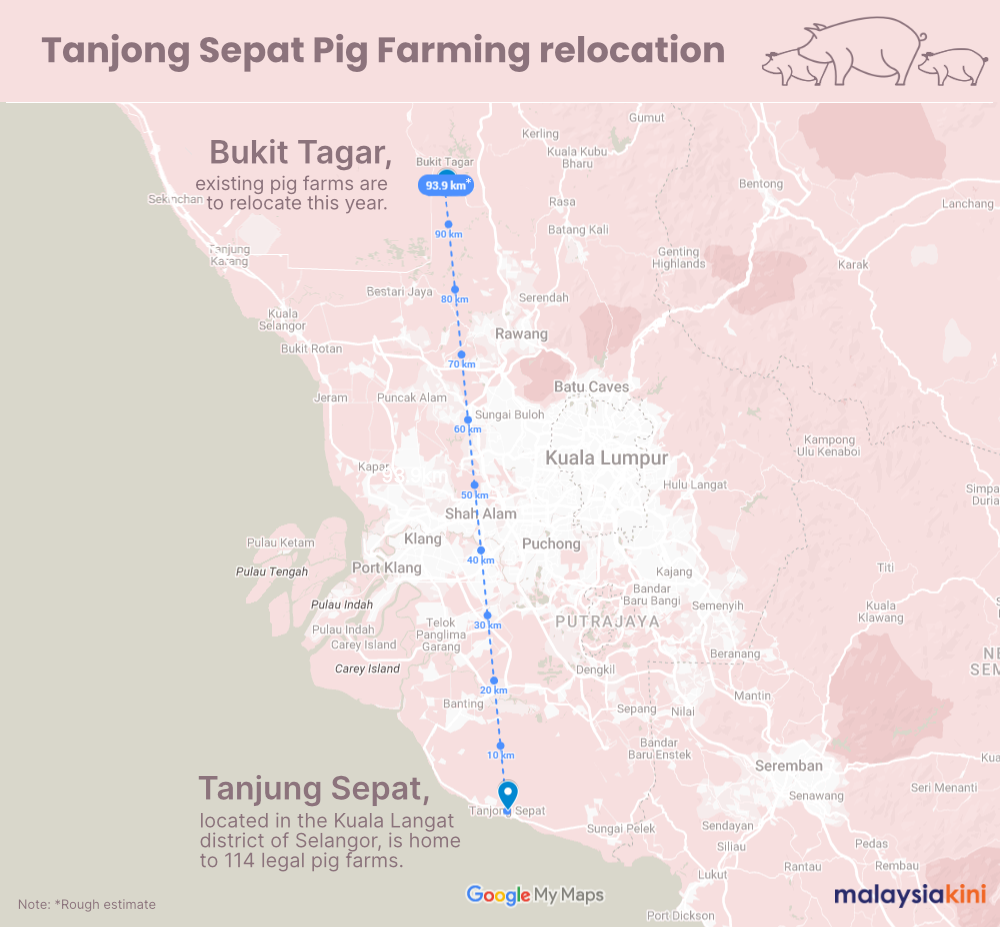
However, he explained that the Selangor government will be responsible for coordinating and simplifying the process to resolve land issues as quickly as possible so that the pig farms can relocate to Bukit Tagar sooner.
He also clarified that during last year’s swine fever outbreak, the output of Selangor’s pig farms only met 60 percent of the state’s demand, and it has dropped to 30 percent, debunking the opposition’s claim of “producing for export”.
He further pointed out that the Tanjung Sepat pig farm issue is not new but has existed since the BN era, stressing that this should not be used to attack Pakatan Harapan by claiming it is an issue created by the administration.
- Mkini

No comments:
Post a Comment
Note: Only a member of this blog may post a comment.