


NGO Jejaka’s strategic direction has been to be “a bit more open” and to speak out more.
However, an event called “Glamping With Pride”, which was supposed to be held in early January, unexpectedly pushed the HIV prevention group focused on the LGBTQ+ community into the public spotlight, eventually forcing the programme to be cancelled.
Jejaka programme manager Dhia Rezki Rohaizad told Malaysiakini that “Glamping With Pride” was originally scheduled on World Aids Day (Dec 1, 2025), but was postponed to Jan 17 this year following a raid on a “gay” health centre on Nov 28, 2025.
The two-day event aimed to provide a safe space for the LGBTQ+ community, help participants gain insight into HIV and its prevention, and build community connections.
However, a post featuring a screenshot of the event’s poster was shared on Threads and quickly went viral across other social media platforms.
“When we saw it two days after the person posted it, it already had around 300 comments. People already tagged the Selangor Islamic Religious Department (Jais) and the police; they also tagged all these big enforcement accounts.
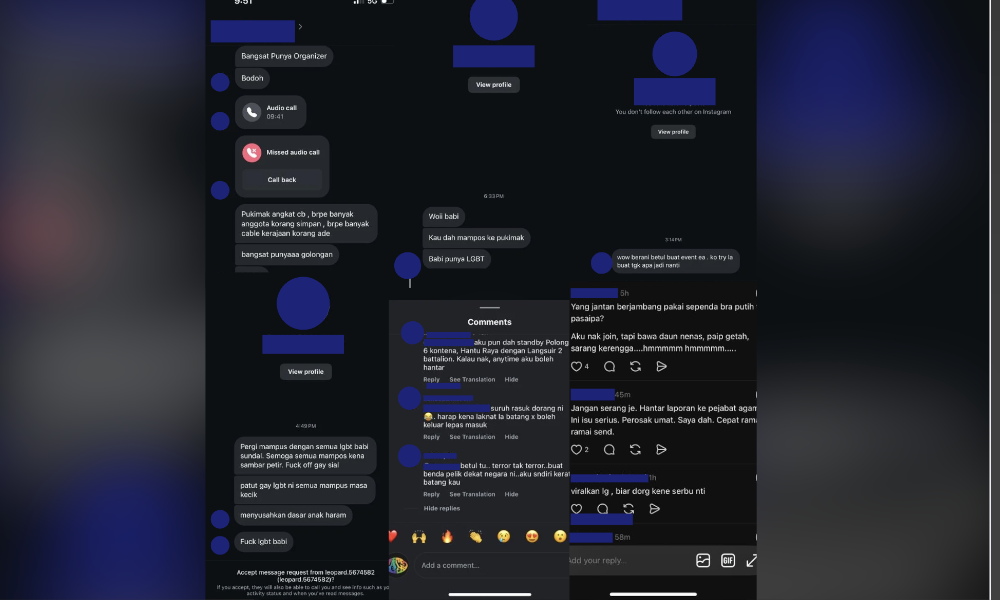
“We were starting to notice that people were moving from Threads to our poster on Instagram and started sending us threats and hate messages.
“Usually, when we receive hate messages or threats, it is from anonymous accounts. But this time around, they were not anonymous accounts. They were real profiles with people’s real names.
“People threatened to come to the event, even though we did not tell them exactly where it was. People said they would bring a Molotov cocktail,” said Dhia.
In the ensuing backlash, he and his colleagues’ private Instagram accounts were also doxxed, and they received a series of death threats and harassment calls.
The controversy, which initially heated up on social media, spilt into the real world after Selangor PAS Youth issued a statement urging its members to lodge police reports against “Glamping With Pride” and called on the authorities to investigate the event.
Since then, the event, which was intended for HIV prevention, was labelled as “immoral” and “contrary to religious values”.
Unprecedented pressure
Despite public complaints, police intervention, and warnings from religious authorities, Jejaka still attempted to proceed with the event.
Dhia revealed that as an LGBTQ+ organisation, they knew their work carried inherent risks, but the intensity of the hostility and the number of police reports this time far exceeded their previous experiences, creating unprecedented pressure for them.
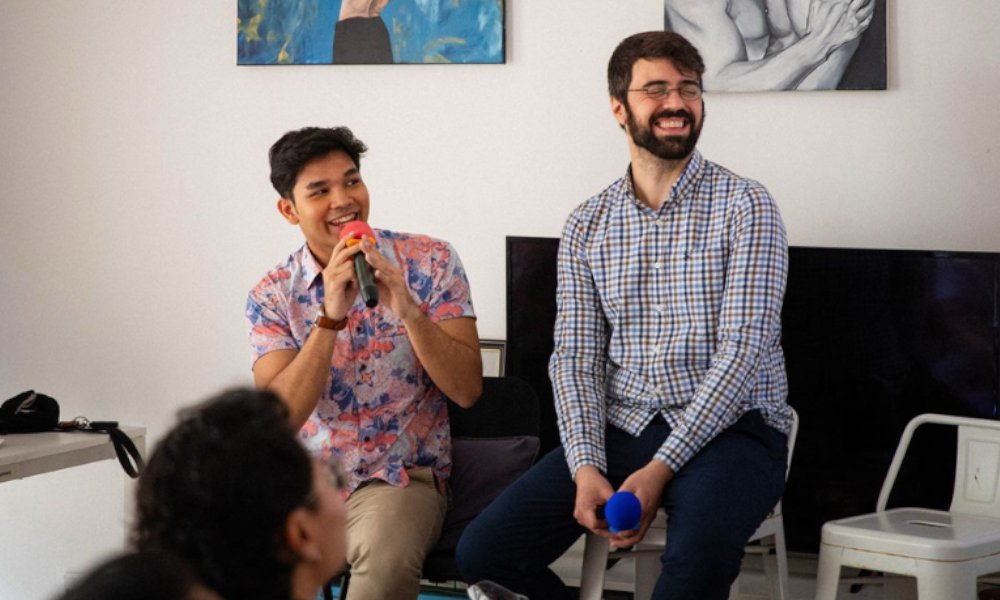
“We understand that there is a risk when we do these things. (But) The hate and all this mass reporting against us were higher than usual, which put us on edge as well.
“But internally within Jejaka, there was also a lot of conversation about proceeding with the event. Some of the people who were very involved in the planning of the event were like, ‘We want the event to continue, please. We put so much effort into this.’
“But on the other side (there) were people who felt we should prioritise security, not only of Jejaka, but security of the participants as well,” Dhia said.
As the controversy escalated, Selangor ruler Sultan Sharafuddin Idris Shah issued a decree on Jan 12, demanding strict action against Jejaka. Facing royal pressure, the event was cancelled shortly after.

Dhia said the cancellation was a “very sad moment” for Jejaka. The sense of loss stemmed not only from the wasted effort, but also from the realisation that HIV prevention work in Malaysia is facing increasing resistance.
“We were grieving the loss of the event, also the feeling of losing a safe space that we tried to create for the community. That is how we felt,” he said.
The investigation into Jejaka is still ongoing, despite the organisation halting the event two weeks before its scheduled date.

This was not an isolated case, as police raids on LGBTQ-related venues have taken place across Malaysia over the past year.
Justice for Sisters co-founder Thilaga Sulathireh pointed out that the police raided five events during Pride Month last year, including two sexual health campaigns held in the Klang Valley and Kelantan.
They include a “gay party” in Kota Bharu, Kelantan, that was later confirmed by the Health Ministry to be an HIV prevention programme.
Ending Aids by 2030
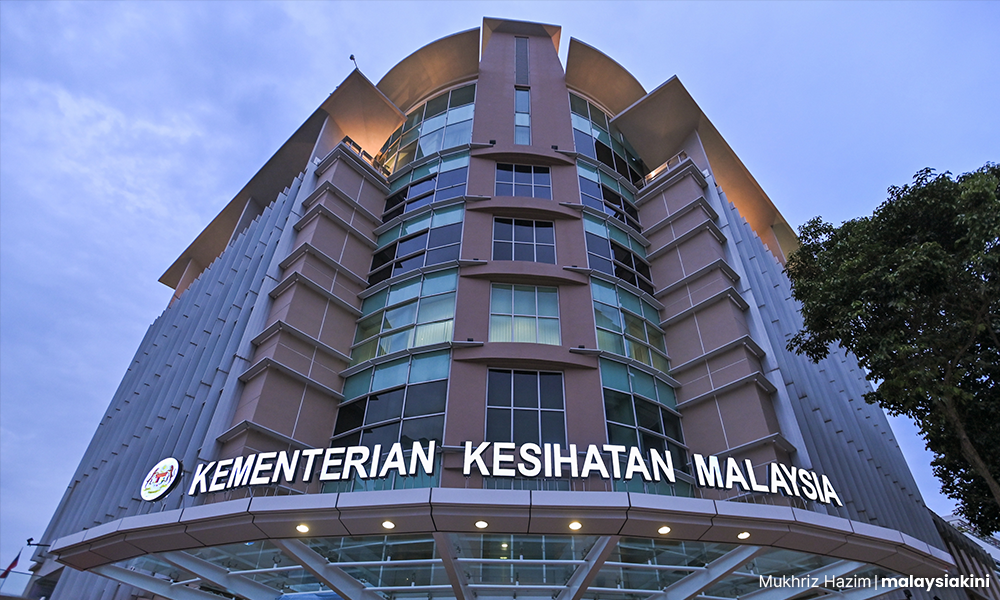
The Health Ministry introduced the “National Strategic Plan: Ending Aids 2016-2030” in 2015 to eliminate Aids as a public health threat by 2030.
The plan sets three “95” core targets: 95 percent of people living with HIV knowing their status; 95 percent of those diagnosed receiving antiretroviral therapy; and 95 percent of those on treatment achieving viral suppression.
When HIV started spreading in Malaysia, cases were mostly concentrated among people who abused drugs via injection.
The Health Ministry’s “Harm Reduction Strategy”, which included needle exchange programmes and substitution therapy, gradually brought HIV transmission via injection under control. Since then, sexual transmission has become the main vector spreading HIV.
According to the “Global Aids Monitoring Report 2025: Malaysia”, approximately 96 percent of new infections in 2024 were caused by sexual transmission, with about 60 percent transmitted through same-sex sexual acts, predominantly among men.
Under this transmission structure, men who have sex with men (MSM) are listed as a “key population” for HIV prevention, covering gay, bisexual, and queer men.
The Health Ministry emphasises that prevention work for MSM relies heavily on community testing, outreach programmes, and peer support - areas where community organisations like Jejaka have long been active at the grassroots level.
The role of NGOs
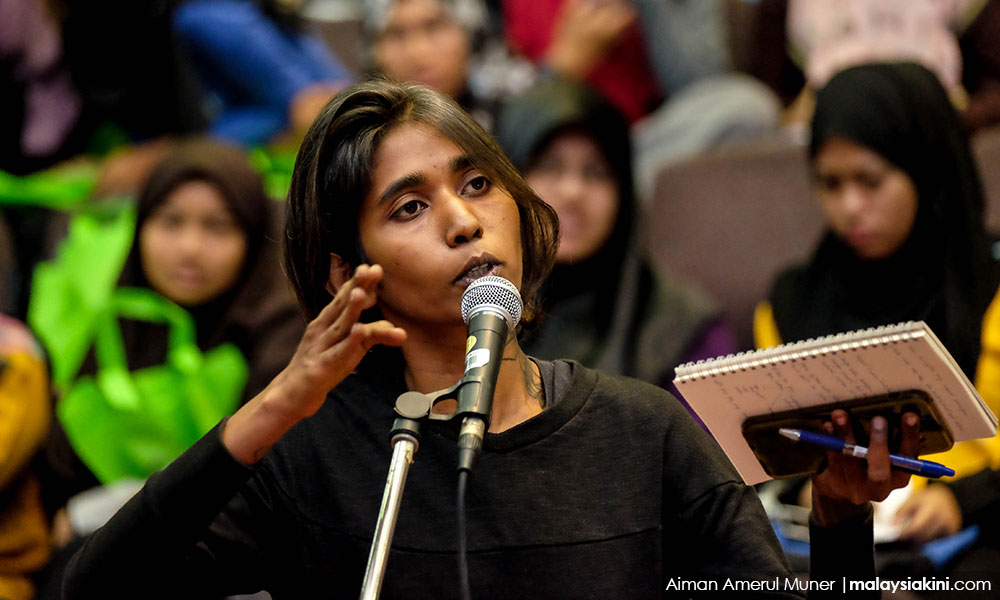
Ano Tong, a project manager at PT Foundation, an organisation which has 29 years of experience in HIV prevention, said that community trust is the cornerstone of HIV prevention due to the sensitivity within the LGBTQ+ community.
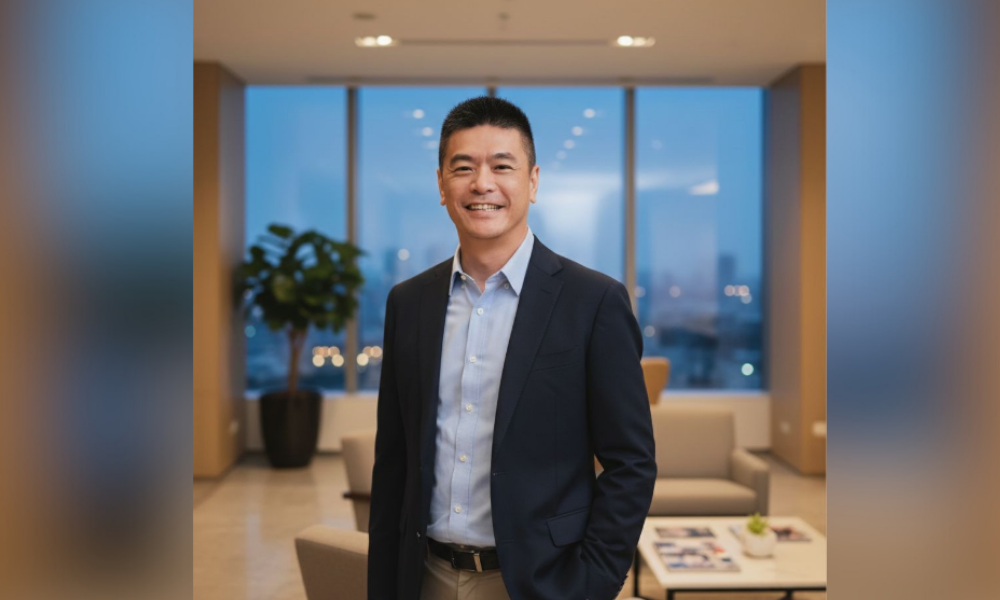
Tong stated that they have established a shared “community language” through long-term interaction with the group, allowing prevention work to proceed more smoothly.
This unique bond of trust is the primary reason why the Health Ministry emphasises collaboration with NGOs in the national plan.
“We have our community language. So when they reach out to us, it is easier to communicate (with them), easier to share or pass the information to them, and easier (for them) to understand.
“They always come to our NGOs and community-based services before going to a government setting. So when they have trust, it is easier for us to refer (them) to the government setting.
“They (Health Ministry) understand that there are actually many people out of our (LGBTQ+) community who still have a lot of stigma and (face) discrimination when they are walking into the public sector. This makes them step back and prevents them from coming out and showing up,” Tong said.
He added that several law enforcement actions last year had sent the “wrong messages” to the community, severely hampering outreach work.
“We received a lot of messages from our clients. They talk about how they started to be worried to step out to (seek) healthcare and screening services.
“When they seek help from an NGO, they will think about whether the NGO will report them to the government authorities.
“So, when they have this kind of thought, they will block us immediately, like ‘I am not going to tie up with some NGO to provide all these services’,” Tong said.
Forcing community further underground
PT Foundation CEO Raymond Tai pointed out that crackdowns only intensify internal stigma and force the community to go further “underground”, thereby increasing the difficulty of public health interventions.
“The moralists and Islamists might say the crackdowns are good, because they want them to stop all these activities because it is against the religion, against morality (and) everything.
“But from our insight and our close understanding, it does not mean that they do not indulge in other activities. It just means that they stop being visible and they go underground,” Tai said.
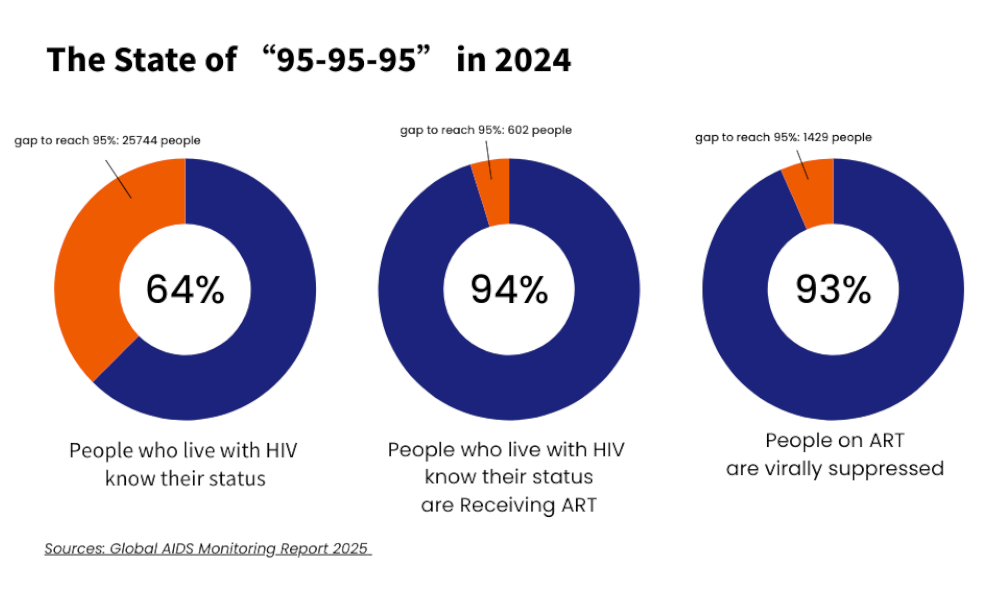
The Global Aids Monitoring Report 2025 notes that only about 60 percent of the first “95-95-95” target - people living with HIV knowing their status - has been achieved. In other words, only six out of every 10 infected people know their status.
For the LGBTQ+ community, Tai said, “the way to survive in Malaysia is to hide as much as possible”.
Under social and family pressure, many gay men choose to enter marriages as a way of concealing their sexual orientation. Even bisexual individuals may not end their sexual relations with other men after marriage.
Moreover, due to the absence of safe spaces and reliable information, many turn to the “dark side” of online platforms for information.
However, such content is often extreme and distorted, failing to discuss protection or emphasise testing and responsibility towards oneself and others.

Tai said that when basic information is persistently inaccessible, people with needs but without guidance may resort to high-risk behaviours, which are often without protection or stable relationships
For example, he said, these include having frequent one-night stands or having sex with multiple partners.
More worrying, he added, is that some people refuse to seek medical help even when physical symptoms appear due to fear.
“Even if they start developing symptoms, they are afraid to come forward. For them, if they come forward, everybody will know what they did. They are very ashamed of these things.
“The only time when they come forward is when they are already at the Aids stage, where they develop infections like pneumonia or tuberculosis. At that stage, it is a lot more difficult to get treatment.

“From the time they get HIV positive to the time they get Aids, that process can be as short as six months, as long as 10 to 15 years.
“So they continue to have sex with other people, they continue to have sex with their wives, what is going to happen is that even their children can get infected.
“This is why the Aids situation in Malaysia continues to be unresolved,” Tai said.
Prevention tools stigmatised
Thilaga further pointed out that recent police enforcement actions against LGBTQ+ venues are indirectly linking public health prevention tools with illegal or improper behaviour.
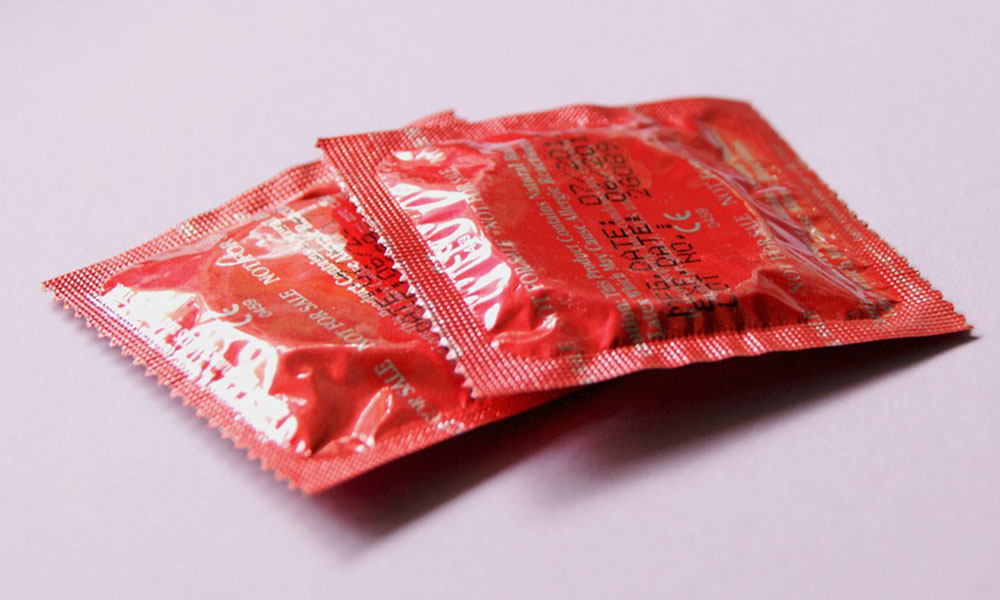
She cited the incident involving a “gay-friendly” hotel in Malacca, where enforcement authorities deliberately emphasised “we found condoms” during the raid.
In a separate incident in Kelantan, attention was instead amplified around the presence of PrEP (pre-exposure prophylaxis for HIV).
She said such practices of treating tools as “evidence” are deeply troubling.
“What happens is that concerns (about carrying prevention tools), not just among outreach workers, but also among people… What if I carry condoms? What if I carry PrEP? Would this then open me to arrest, detention, or harassment?” Thilaga asked.
She criticised the practice of treating condoms as criminal evidence, saying that it is problematic and has negative consequences for public health.
“What we want is to encourage safer sex, use of safer sex materials. So if you are criminalising this and also associating condoms with just gay people, as if heterosexual people do not use them, then that is a problem,” she said.
Tai then spoke about the four principles of HIV prevention, dubbed the “ABCD”: Abstain, Be faithful, use Condoms, and Drugs.
He said abstinence is unrealistic, while demanding faithfulness is equally unrealistic for key populations, like MSM, due to legal and institutional constraints, which leave condom use as the main emphasis.
However, he added, condoms also have limitations in reality.
“That is a problem we know from research, which shows that whatever you do, three out of 10 people will not use condoms for different reasons.“
And as we mentioned, the lack of condom use is because of the police raids. When people are stopped on the street, the police create a lot of trouble when they find that they have condoms on them.
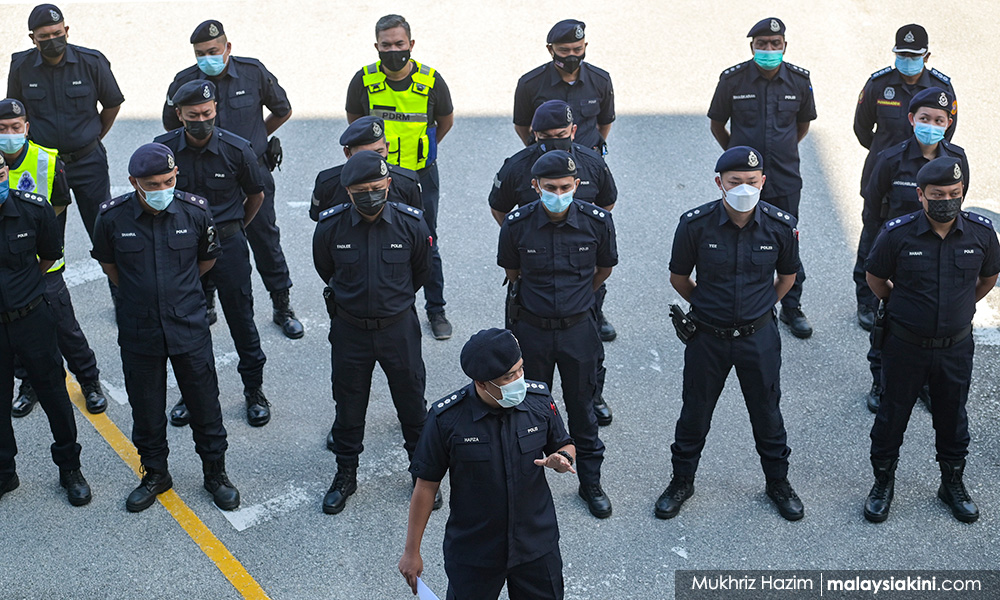
“Although it is legal, and there is nothing wrong about carrying condoms, the police use that to harass some members of the public if they find condoms in a handbag or in pockets,” Tai said.
He said drug prevention offers a new option, which is taking medication before sexual activity to reduce infection. This method has proven highly effective, but it still faces significant resistance to implementation.
“After many years of lobbying, the Health Ministry only recently started to provide PrEP as a preventive measure. But, they’re getting a lot of objections and condemnation for making PrEP available.
“What the Health Ministry is doing is a step in the right direction, because ending Aids is a national strategy in Malaysia,” he said.
There are precedents: why not use them?
Dhia said Jejaka has long advocated for the Health Ministry to promote cross-departmental collaboration, especially strengthening communication with the police to increase enforcement authorities’ understanding of the role community organisations play in HIV prevention.
However, there has been little progress so far.
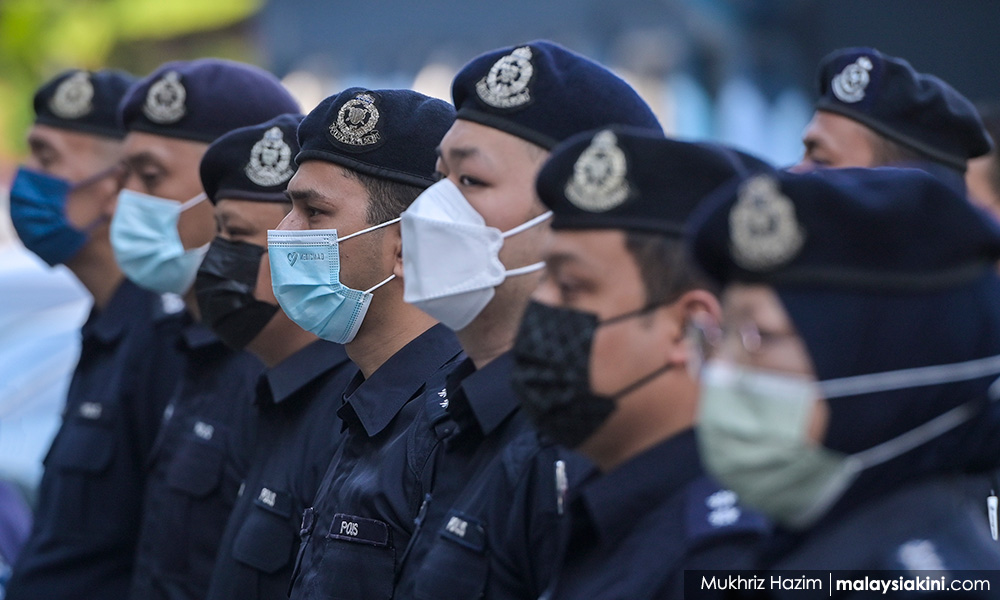
“We understand that there are laws, and we understand the police have a duty, but we also want them to understand (our work) first before taking action.
“We want them to work with us, or with the Health Ministry, or any sort of HIV prevention programme to understand who are the ones being primarily affected by HIV and understand why certain programmes need to be done in the way they are done,” he said.
Thilaga said there is a “success model” for reference in terms of cross-departmental collaboration.
She said, years ago, the police had cooperated with the Malaysian Aids Council when the Health Ministry implemented the Needle and Syringe Exchange Programme in response to HIV transmission caused by injecting drug users.
The programme, led by the MAC, aimed to reduce transmission risks among injecting drug users by reducing needle sharing.
“We saw a lot of arrests of people who were using substances. But the police were open enough to talk to them, to engage with the Malaysian Aids Council, and to engage with the Health Ministry.
“They understood that if arrests continued, people would not come to exchange needles, and the prevention programme would fail. Therefore, the police cooperated with the MAC to reduce or stop arrests.
“The same goes to the HIV prevention stuff, (which is) related to sex-related transmission,” Thilaga said.
HIV prevention needs innovation
Thilaga believes that the problem with current prevention strategies lies in a lack of innovation, and there is an urgent need for reform in how measures are implemented.
She said programmes like “Glamping With Pride” adopted more relaxed and creative formats to draw people in and subsequently introduce public health information such as testing and HIV prevention, which is particularly helpful in reaching key populations who have long been hidden.
“If you just talk about HIV alone, people are not going to show up to your clinic.
“The way in which HIV is talked about is also very scary sometimes for people. It’s not like encouraging to do testing, because taking a test is already very scary,” Thilaga said.
Tai said existing prevention efforts tend to approach the issue solely from a health perspective, but health-based theory alone often fails to reach everyone.
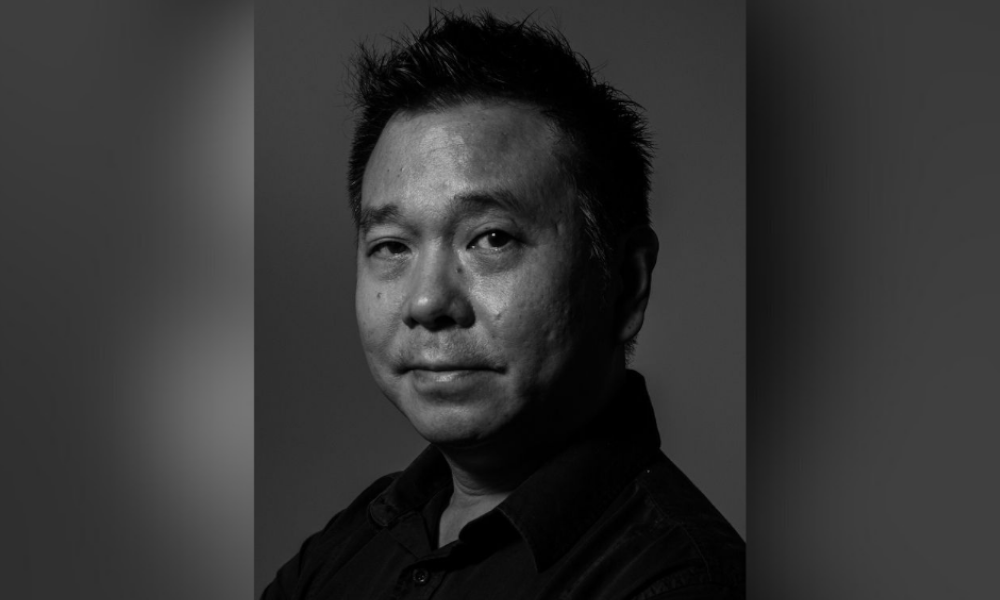
Tai also floated the concept of “Pleasure Marketing”. He believes that seeking pleasure is a human instinct, and pleasure marketing is more effective than simply talking about health.
The key, he stressed, is not indulgence, but “responsible pleasure”, which comes with responsibility to oneself, one’s partner, and the community.
“When you are having pleasure, do not forget to protect yourself, either by using a condom, using PrEP, or having safer sex practices. So that you protect yourself and your partner, and if you get married, protect your wife,” Tai said.
The core of pleasure marketing is not to encourage sexual activity, but to avoid linking prevention measures with fear, shame, or moral accusations.
Taking Australia as an example, Tai said the local health organisation, Acon, does not place disease or risk at the centre of its PrEP promotion.
Instead, it shifts prevention messaging towards emotional well-being and personal choice, emphasising reducing anxiety, greater autonomy, and a sense of reassurance in intimate relationships.

Tai said, however, that he is devastated by the intensifying discourse and actions against the LGBTQ+ community in recent years, with LGBTQ-friendly spaces narrowing annually, making such initiatives extremely difficult.
He pointed out that the space for both prevention work and public education is shrinking. Once HIV prevention, condoms, or PrEP are discussed, it is often interpreted as encouraging or promoting LGBTQ+ culture.
“We have to tone down our awareness campaign so that we do not get accused by the government agencies,” he said.
Conclusion
When events like “Glamping With Pride” are forced to be cancelled, and prevention tools like condoms and PrEP are stigmatised as criminal evidence, scientific prevention measures are shrouded in shame.
This high-pressure environment pushes the LGBTQ+ community further underground, causing nearly 40 percent of infected people to refuse testing out of fear. This both increases the difficulty of public health intervention and puts Malaysia’s vision of ending Aids by 2030 at risk of failure.
The Health Ministry’s “95-95-95” targets cannot be achieved through clinics alone; they must rely on NGOs like Jejaka and PT Foundation that prioritise “community language”, filling the trust gap between at-risk individuals and government health authorities.
If the NGOs’ operational space continues to be narrowed due to ideology, they would be cut off as the most effective outposts in the national Aids prevention system, ultimately threatening the health and safety of the entire nation. - Mkini

No comments:
Post a Comment
Note: Only a member of this blog may post a comment.