


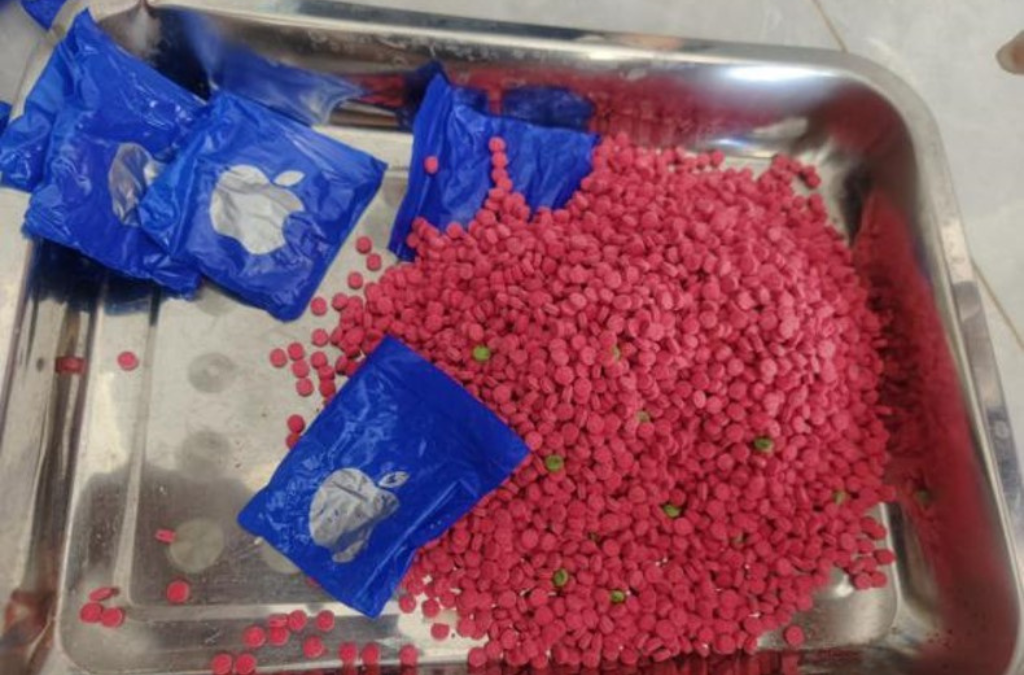
MALAYSIA’S rising synthetic drug crisis among school-going youths isn’t just about enforcement or public health. At its core, it’s a moral and spiritual challenge.
The recent warning from the National Anti-Drugs Agency about the alarming spread of synthetic substances among students should stir more than just concern—it should move us toward real reflection and collective action.
These drugs are strong, easy to hide, and increasingly sold through digital platforms. But their rapid spread also reveals something deeper: a growing sense of emptiness, stress and loss of purpose among young people.
History shows that punishment alone has never solved drug abuse. Enforcement matters, but it’s not enough. Addiction often grows from emotional pain, loneliness, fear of failure and the need to belong.
Synthetic drugs promise an escape but end up destroying potential. So tackling this crisis requires not just stronger institutions, but stronger values.
Malaysia’s greatest strength is its diversity. Our spiritual traditions all teach self-discipline, moderation, compassion and responsibility and these shared values give us a powerful foundation to respond as one nation. They remind us that protecting life and the human mind is a sacred duty.
The oneness of humanity, the harmony of science and religion, and the importance of moral education is imperative. Social problems can’t be solved by external measures alone—they need transformation within individuals and communities.
From this view, substance abuse reflects not just personal weakness, but social disconnection.
In a similar way, the Quran teaches us to safeguard the intellect and life. The Buddha encouraged mindfulness and freedom from harmful cravings. Jesus emphasised love, compassion and care for the vulnerable. Hindu and Sikh traditions highlight self-control, service and balance.
Across all these paths, the message is consistent: real freedom comes from inner strength and spiritual awareness.
This shared wisdom must now become practical action. Faith communities should do more than hold rituals. They can become places of emotional support, mentorship and youth empowerment.
Mosques, churches, temples, gurdwaras and other spaces can offer safe environments where young people talk openly about mental health, peer pressure and digital risks without shame.
Families are the first line of defence. But with today’s economic pressures and busy lives, communication between parents and children has weakened.
Parenting programmes rooted in ethical and spiritual values can help rebuild trust and resilience. When young people feel truly heard, they’re less likely to seek escape through substances.
Education also needs to change. Academic success matters, but it’s not everything. Students need purpose, moral clarity and emotional strength. Learning through service, community engagement and interfaith dialogue can nurture empathy and a sense of responsibility.
The Bahá’í writings remind us that education should develop both mind and character, preparing young people to contribute to society.
Mental health support is just as vital. Many young people who turn to drugs are dealing with anxiety, trauma or loneliness. Compassion, forgiveness and belief in human potential must guide their recovery.
Stigma only makes things worse. Faith traditions everywhere teach us about renewal and second chances.
Good governance is also a moral duty. Drug syndicates thrive where there’s corruption, inequality and weak systems. Ethical leadership builds trust and reduces vulnerability.
The principles of consultation, justice and collective decision-making offer valuable lessons in transparent governance and solving complex social problems.
The digital side of synthetic drug distribution calls for a values-based response. Technology isn’t neutral—it reflects the intentions of its users. Promoting ethical digital behaviour, responsibility and self-discipline can help protect young people from online harm.
At its heart, the synthetic drug crisis challenges Malaysia to rethink what progress means. Economic growth and technology are important, but they need moral and spiritual direction.
A society that nurtures purpose, compassion and unity will always be stronger against destructive forces.
This moment calls for a national movement rooted in shared values. Government, educators, faith communities, families and young people must work together.
By blending universal ethics with smart policy, Malaysia can protect its youth and strengthen the bonds between us.
The future of this nation depends not just on infrastructure and innovation, but on the character and hope of its people.
When young Malaysians find meaning, connection and purpose, the pull of artificial escape will fade. The challenge is real—but so is the spiritual wisdom that can light the way forward.
KT Maran is a Focus Malaysia viewer.
The views expressed are solely of the author and do not necessarily reflect those of MMKtT.
- Focus Malaysia.

No comments:
Post a Comment
Note: Only a member of this blog may post a comment.