


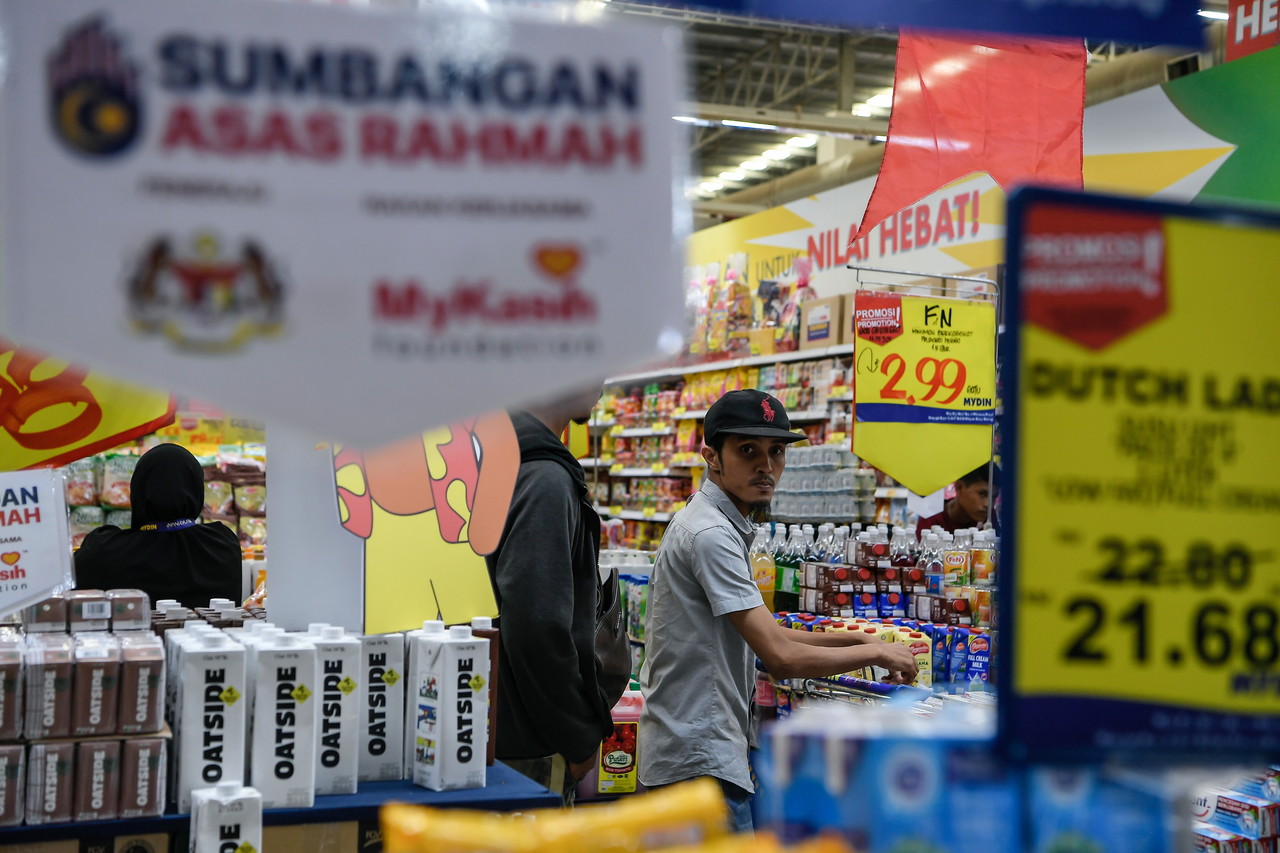
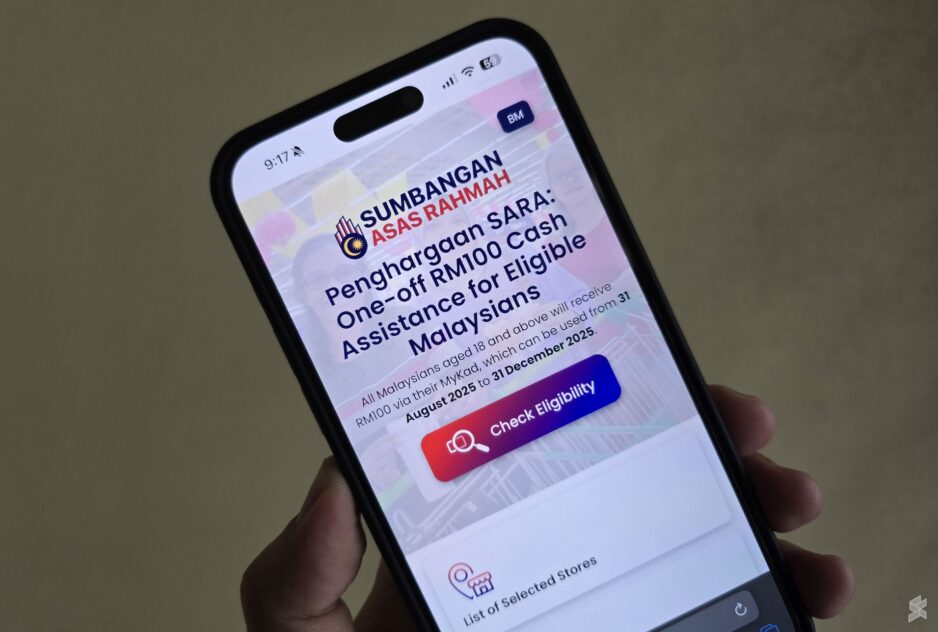
ON Feb 9 this year, for the second time, all Malaysians aged 18 and above were credited with RM100 in their MyKad under Sumbangan Asas Rahmah (SARA), which could be used to purchase groceries, school supplies and other daily essentials.
Public feedback, including comments shared online, showed that many recipients welcomed the assistance. The decision this time to extend its use to frozen food items was particularly appreciated as it proved helpful in the lead-up to Chinese New Year and Ramadan.
Together with other initiatives like Sumbangan Tunai Rahmah (STR) and Jualan Rahmah, these measures have provided genuine and timely relief. As a community activist, especially in Bukit Bintang, the impact is tangible and clearly felt on the ground.
Credit must be given where it is due. The Madani government has recognised cost-of-living pressures and responded accordingly.
But relief, by definition, cushions short-term pressure. It does not resolve the structural issues that make such cushioning necessary.
When families feel genuine relief because RM100 per adult for the entire year helps them cope, even temporarily, it reflects the economic pressures they are facing. More fundamentally, it underscores a deeper systemic issue: the growing gap between wages and the rising cost of living.
If we are serious about long-term resilience, we must address both sides of that equation.
When it comes to wages, we need to do more to help young people and workers move into better-paying jobs, so that their incomes can keep up with rising living costs.
Malaysia cannot rely indefinitely on low value-added sectors while hoping incomes will rise organically. We have become accustomed to stories of graduates working as delivery riders, a pattern that reflects persistent underemployment and a mismatch between qualifications and wages.
Agencies such as HRD Corp, community colleges and the Malaysia Digital Economy Corporation (MDEC) have important roles to play. Skills programmes must expand in scale, but more importantly, they must be closely aligned with industry needs.
Short, practical courses that build on each other and are tied directly to real job opportunities can help workers move from lower-paying jobs into better-paying ones. Programmes that combine classroom instruction with hands-on experience should be strengthened.
At the same time, we must look honestly at the cost side of the ledger.
Initiatives such as Jualan Rahmah have enabled Malaysians to purchase essential goods at cheaper prices. My team and I have worked closely with the Domestic Trade and Cost of Living Ministry to organise these programmes across Bukit Bintang over the years, and the response from residents has consistently been positive and encouraging.
With the support of the Transport Ministry, the My50 pass has also helped ease commuting expenses, particularly for urban residents who rely on public transport for their daily travel.
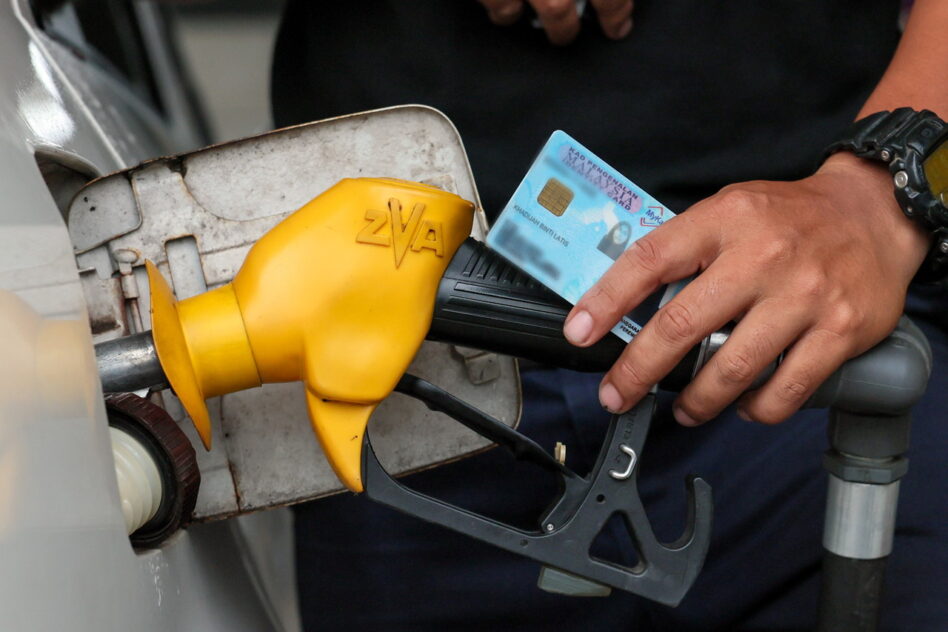
Other measures, including the targeted fuel subsidy under Budi Madani RON95, the Early Schooling Assistance programme and the cooking oil price stabilisation scheme, have also helped Malaysians manage cost-of-living pressures. These are all positive steps.
However, cost pressures remain significant, with housing continuing to be a major concern especially for the young in major urban areas like Kuala Lumpur.
Against this backdrop, it may be time to accelerate urban renewal and affordable housing efforts under frameworks such as the proposed Urban Renewal Bill, with appropriate safeguards, so that ageing property can be redeveloped into more liveable and affordable units.
Food security is another area that deserves sustained attention. Strengthening domestic food production can reduce exposure to global price volatility. Improving supply chain efficiency and reducing leakages will help lower costs more sustainably than repeated subsidies.
In short, we must move from cushioning impact to enhancing resilience. The goal should not be to expand or repeat assistance indefinitely, but to create conditions in which fewer Malaysians need to rely on it over time.
None of these diminishes the importance of initiatives like SARA or STR. In times of pressure, relief is necessary. But long-term economic sustainability cannot be built on ad hoc fiscal transfers alone.
We need to help people earn better wages, while also tackling the root causes that keep pushing prices up, so that over time fewer families have to depend on widespread assistance just to get by.
Ultimately, we must work towards a future where aid like SARA is no longer required at scale because the economy is resilient by design.
Ben Fong Kok Seng is the chairperson of the Bukit Bintang Parliamentary Zone Residents’ Representative Council.
The views expressed are solely of the author and do not necessarily reflect those of MMKtT.
- Focus Malaysia.

No comments:
Post a Comment
Note: Only a member of this blog may post a comment.