


The Klang road tragedy has become racialised online, probably because the driver was Indian while the motorbike victim was Malay.
Some even attacked Transport Minister Anthony Loke. Is it because he is Chinese?
The blame has turned into racial stereotypes of a “drunk Indian”, while forgetting he was also high on dadah, or drugs, which are normally typecast with another racial group.
The video of the accident was horrific. My first instinct, like many others, was that more severe punishment was needed than the minimum 10 years jail and RM50,000 fine under Section 44 of the Road Transport Act.
These enhanced punishments were passed after several drunk driving incidents in October 2020, when Peikatan Nasional was in power.
Now, some are calling for the death penalty.
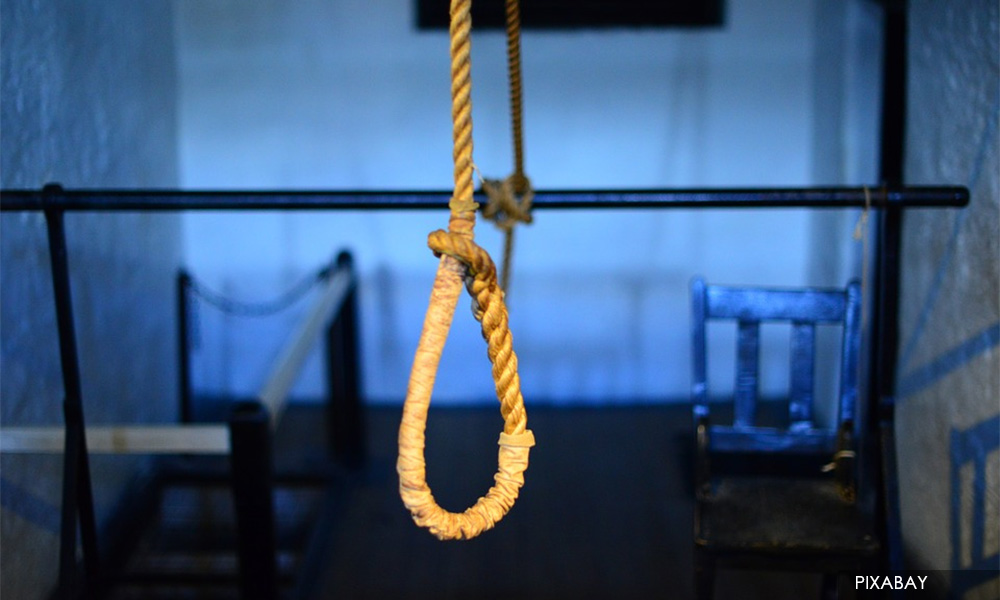
Machang MP Wan Ahmad Fayhsal Wan Ahmad Kamal (formerly from Bersatu) said this will send a “clear message that human life cannot be taken lightly and any action endangering others will face the heaviest consequences.”
PAS Youth chief and Alor Setar MP Afnan Hamimi Taib Azamudden also demanded blood, or “a life for a life”. But why didn’t Bersatu and PAS push for heavier penalties, such as whipping or compensation for victims, when they were in power?
That most “Chinese” person, Ridhuan Tee Abdullah, poured oil on the fire, saying, “Yang tonggang arak si kapir, yang mati Melayu (Islam)... Noktahkan segera sebelum org Islam hilang sabar. (The kafirs ride on alcohol while the Malays die. End it before Muslims lose patience).”
His Facebook post got 43,000 likes and 5,500 shares.
With such fury, it’s not surprising that the driver has been charged with murder.
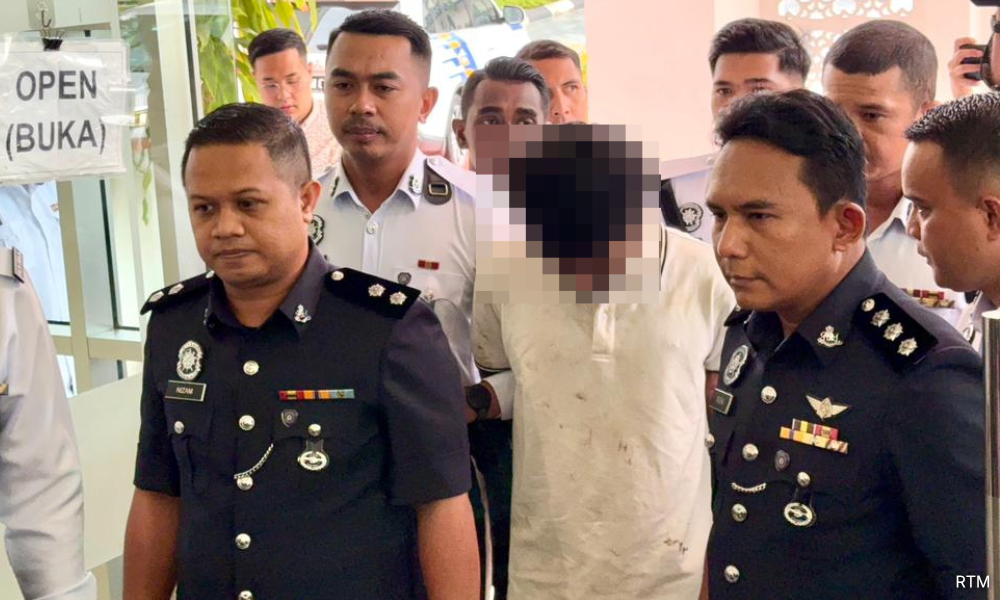
But let’s be consistent. What about other dangerous, negligent, and corrupt behaviour that causes deaths?
Some are “high” on reckless riding or driving, while others are “drunk” on bribes. All have deadly consequences.
1. Mat Rempit
Motorcyclists made up two-thirds of 6,537 road deaths in 2025, with those aged 16 to 30 at the highest risk, according to the transport minister. In contrast, there were only 69 cases of fatal drunk driving over 10 years (2011-2021), according to police statistics.
This is not to downplay the need to punish drunk drivers, but to ask: why isn’t there similar outrage against the notorious Mat Rempit?
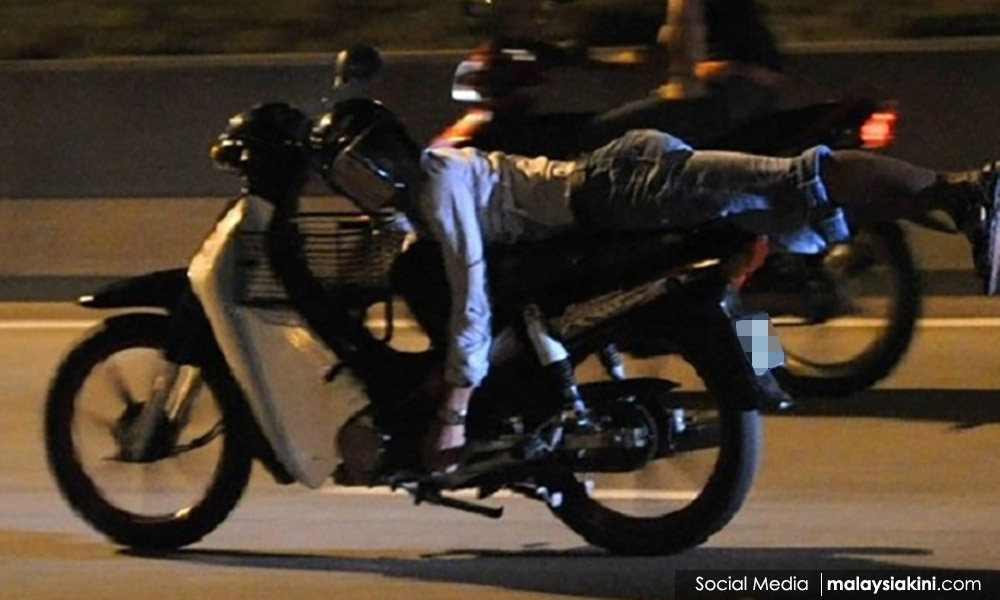
So far, they have mostly killed or injured themselves (burdening the public health system), but if an innocent bystander is “murdered” by them, should the death penalty be imposed?
2. Logging and deadly landslides
Five people were killed in December 2021 near Bentong, Pahang, after deadly landslides laden with mud and logs.
I hiked in the steep hills near Karak a year later and saw that the forests had been cleared and replaced with farms and even a service road. Whole slopes had been washed away.
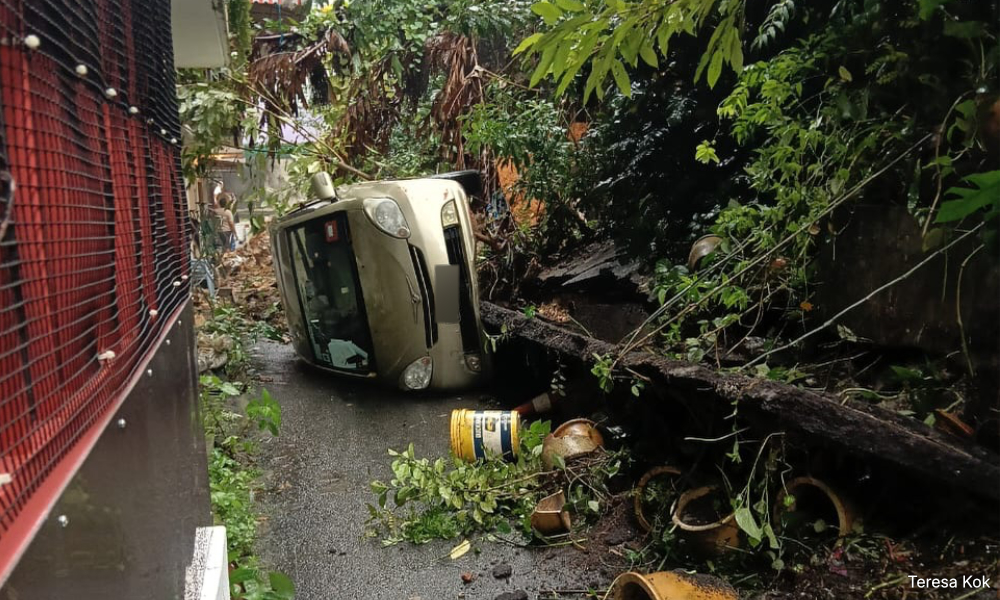
It made me wonder who was responsible for this disastrous policy and what their punishment should be. Would PAS say “a life for a life”?
3. Dangerous lorry, bus drivers
We have become immune to news of bus and lorry accidents. A total of 203 bus-related accidents occurred in Malaysia from January 2023 to May this year, resulting in 39 deaths and 68 serious injuries.
The causes, said police, included overworked drivers chasing tight schedules, speeding on wet roads, brake failure, worn-out tyres, and yes, drugs.
News reports also point to drivers being hired despite multiple past traffic violations. Biasa la (normal la). Somehow, these don’t raise the same level of indignation as alcohol.
In September 2024, Loke said many long-distance bus drivers had tested positive for drugs.
In May 2025, nine FRU men near Teluk Intan were killed by a lorry driver with six past criminal cases for drugs, rape, and theft.
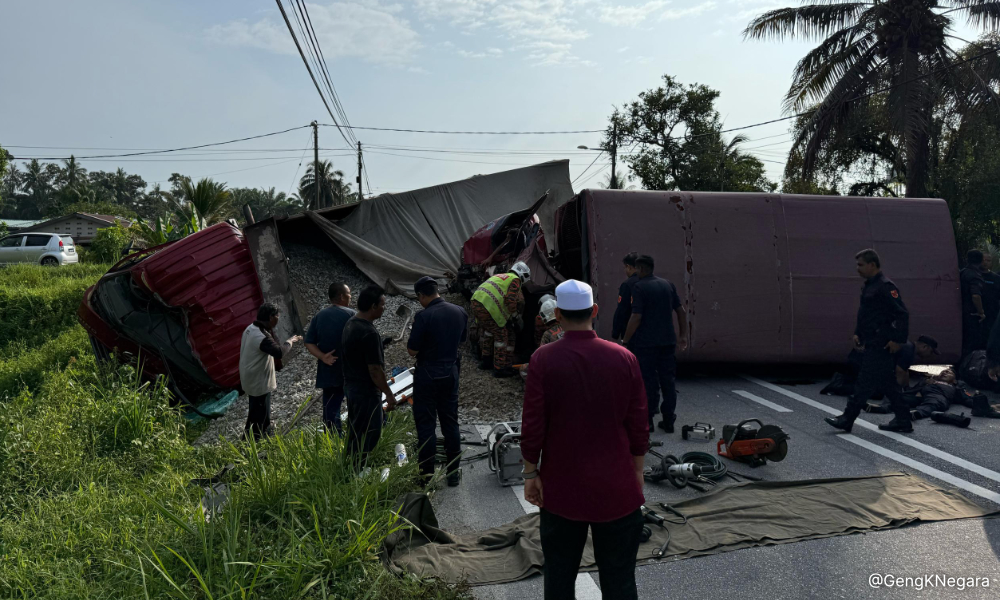
The carnage continues. In March, a trailer lorry smashed into three cars in Penang, causing serious injuries. The driver tested positive for syabu or methamphetamine.
A study revealed that fatal road accidents involving heavy vehicles like lorries have claimed 1,457 lives from 2019 to 2024. That’s one life lost every 36 hours. Luckily, deaths declined in 2025.
This is a recurring problem in Malaysia. Is it because we live in a “boleh kautim” culture where some “coffee money” can induce some officials to “close one eye” to broken rules?
In April 2025, a Road Transport Department (RTD) official in Malacca was jailed for bribing his fellow officers to ignore overloaded lorries, which is obviously a safety issue.
In July 2024, another RTD official in Kedah was charged with taking RM42,100 in bribes to overlook rules broken by a lorry company.
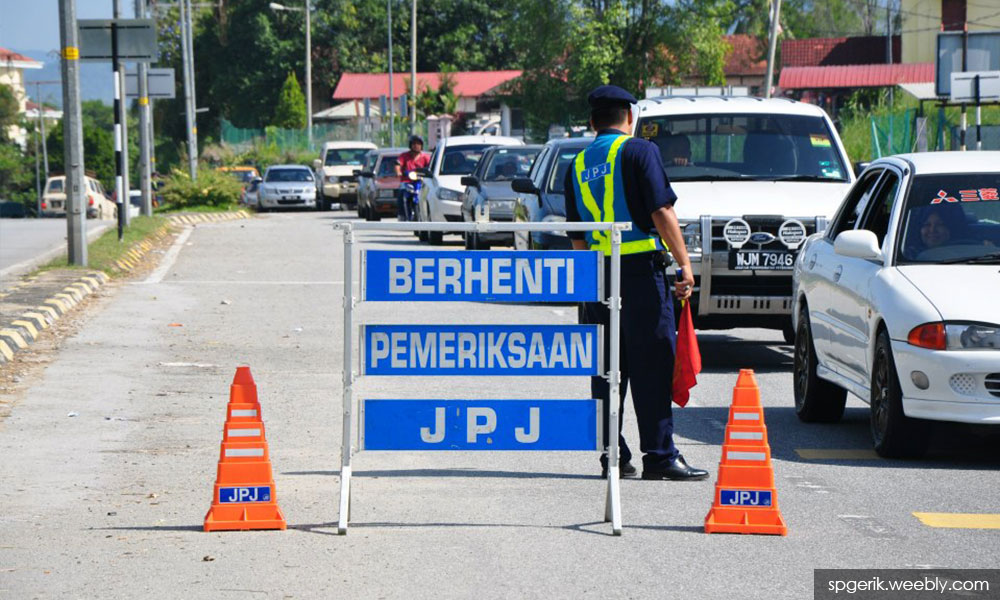
It’s also been alleged that Puspakom is “riddled” with corruption, where “runners” routinely secure “roadworthy” certificates with perfunctory inspections.
So, if we’re calling for drunk drivers to be hanged, what about bus and lorry drivers on drugs? What about corrupt officers who enable this bloodbath on the roads? What about transport companies that hire drivers with multiple misdeeds?
Some will blame Loke for this, but I do wonder, did he have the power to bust corrupt traffic cops or RTD officers? That seems to be under the jurisdiction of the police and MACC.
4) Rotten system
Finally, let’s come to government responsibility. In June last year, a tragic accident on the East-West Highway killed 15 UPSI students. Six months later, a Transport Ministry special task force released its findings.
Highways have guardrails to prevent vehicles from plunging into ravines. However, at the accident site, they acted not to save the bus, but as a giant “spear” piercing through the left side of the vehicle, causing 11 of the 15 deaths, lamented the report.
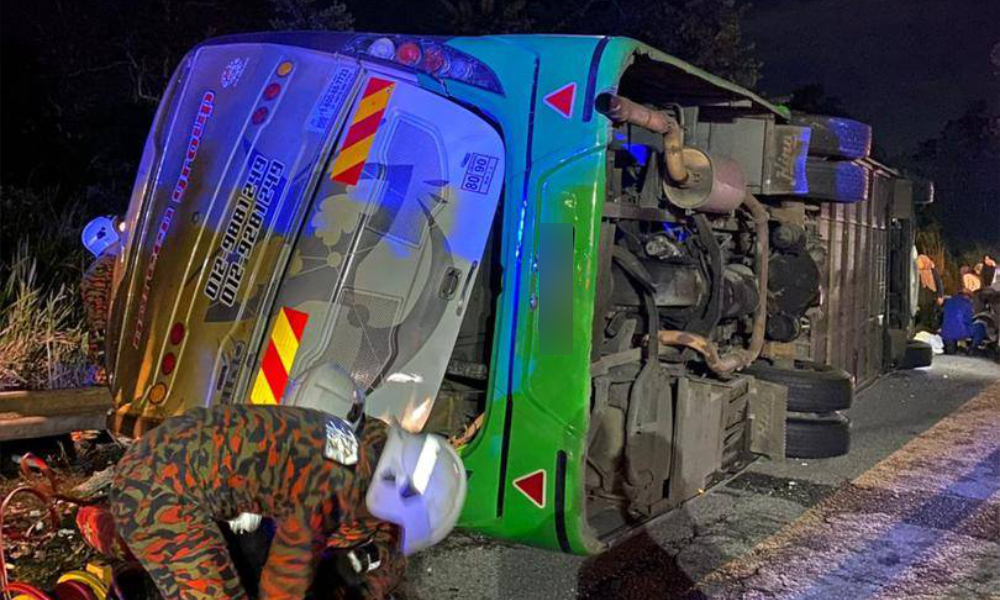
How did this happen? The spacing between guardrail posts was 3.8m, far over the 2m limit. The guardrail panels were installed against the flow of traffic, and multiple bolts were missing.
Instead of cushioning the bus, the end of the guardrail snapped and failed to fold upon impact, becoming a sharp, piercing object.
Yet two days after the accident, Works Minister Alexander Nanta Linggi defended the Public Works Department, claiming that the guardrails met “international safety standards”!
To worsen matters, due to dirt and a lack of maintenance, the reflectors on the guardrails were obscured, while the road had no reflective markings. This made it difficult for drivers to see the road edges.
Brake failure was the main cause of the bus losing control and crashing. Yet just two months before, the bus had passed an inspection by Puspakom.
The task force report concluded that only the driver and travel companies were punished, but not government departments or regulatory agencies, despite their failings.
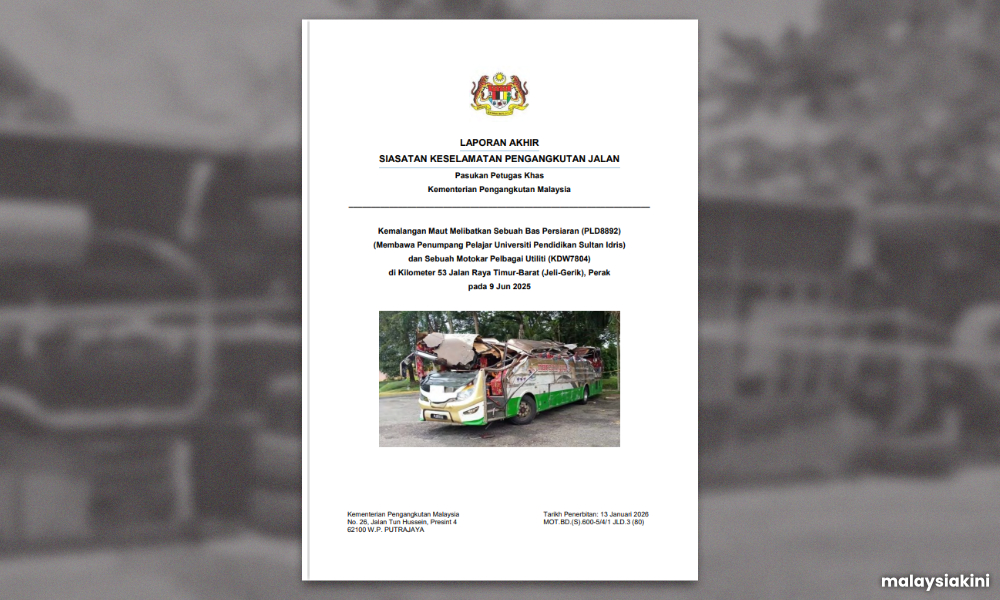
However, few people remember the task force’s findings because it’s a “boring” road safety issue, rather than a fiery racial issue.
And now, we have the Klang accident being racialised. If we want to punish an Indian drunk-druggie driver for murder, the same should apply to bus and lorry drivers who cause fatal accidents when “drunk” on drugs.
Would Ridhuan declare that we should stop all this “sebelum orang Islam hilang sabar”? Most importantly, is there something wrong with the system that enables carnage on our roads to continue? Is it corruption? Negligence? Cronyism?
Will Wan Fayhsal dare to point the finger at the authorities for failing in their duty to enforce road safety rules?
Will he declare that the death penalty is needed to send a “clear message that human life cannot be taken lightly and any action endangering others will face the heaviest consequences”?
Or is outrage limited only to alcohol? - Mkini
ANDREW SIA is a veteran journalist who likes teh tarik khau kurang manis. You are welcome to give him ideas to brew at tehtarik@gmail.com.
The views expressed here are those of the author/contributor and do not necessarily represent the views of MMKtT.

No comments:
Post a Comment
Note: Only a member of this blog may post a comment.