


While a cash transfer system linked to the Central Database Hub (Padu) could offer Putrajaya a more efficient way to cushion households during an oil price shock, economists have cautioned that significant data gaps and implementation challenges could undermine its effectiveness.
Samirul Ariff Othman said a Padu-linked cash transfer model would likely provide a better fiscal buffer during a sudden spike in oil prices than a broad at-pump subsidy, as it would enable the government to separate fuel price from household protection.
The alternative model, he said, could reduce leakage and preserve more fiscal space as fuel prices would be allowed to adjust to any shocks while Putrajaya continues to channel support to eligible households.
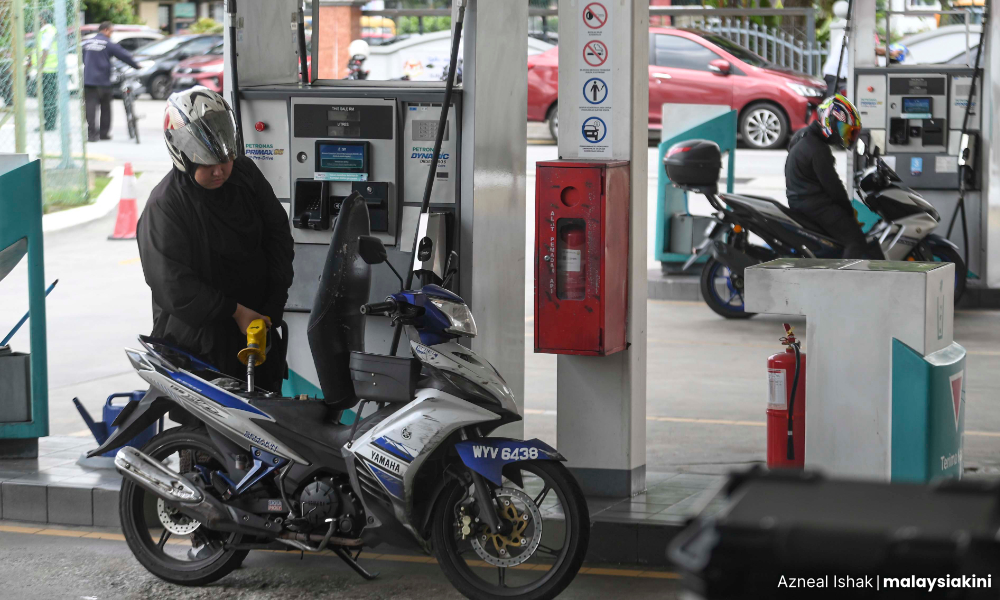
Currently, diesel subsidies are administered through an application-based system known as Budi Individu, managed by the Finance Ministry, under which applicants from the T20 income group are automatically ineligible for the subsidy.
However, under the government’s Budi95 programme, RON95 petrol subsidies are broadly available to all Malaysians with a valid driving licence, regardless of income, with eligibility linked to Transport Ministry data rather than Padu.
Incomplete data
Commenting on a hypothetical system that more heavily used Padu, Samirul cautioned that even such a mechanism “cannot make Malaysia immune to global oil prices” as the country would still be exposed to higher import costs and inflation spillovers.
Considering the above, the Universiti Teknologi Petronas adjunct lecturer highlighted that a Padu-linked system’s “biggest operational risk” could be the potential for data gaps to translate to exclusion errors during a real-time oil shock when speed is of the essence.
“Targeted subsidies are only as good as the data behind them - if the data is incomplete, the protection will be uneven (as) households with outdated income data, informal earnings, or weak digital access risk being missed or under-supported,” he told Malaysiakini.
Besides data integration and accuracy across agencies, he pointed to several other technical hurdles that could affect rollout at scale, including verification and appeal mechanisms before price flotation, as well as the need for rapid payment delivery to offset sudden price increases.
As such, Samirul, who is also a senior consultant with Global Asia Consulting, posited that a Padu-linked system’s constraint lies not with its idea, but in its readiness to operate at scale under stress.
“The real question is not whether Padu is better - it is whether the system is ready to be trusted in a crisis,” he said.
Previously, former economy minister Rafizi Ramli, who spearheaded Padu’s development, claimed Putrajaya could have better managed oil price shocks stemming from the West Asia conflict if its targeted fuel subsidies had been based on Padu.
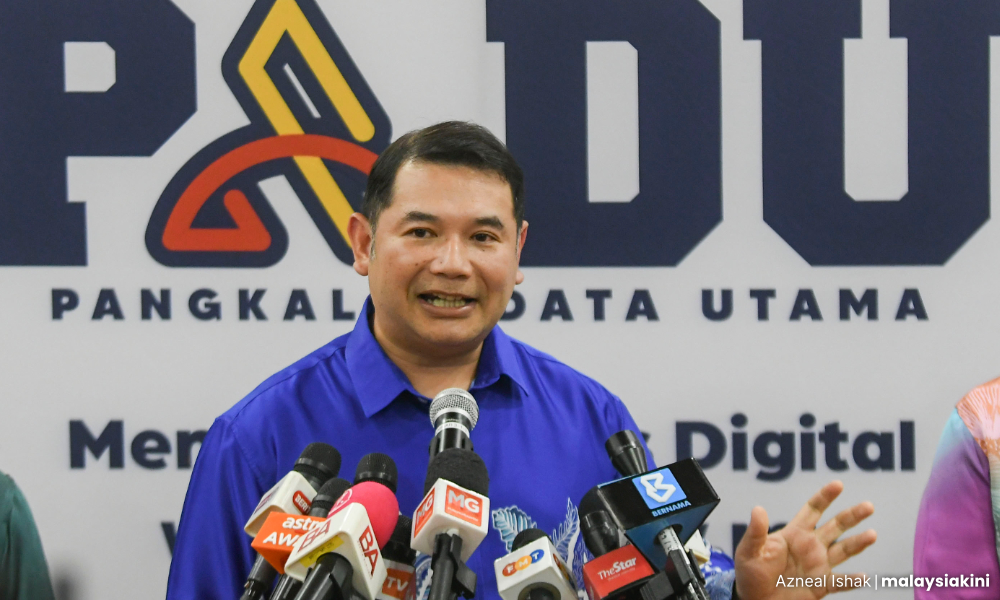
Asserting that the government had in 2023 agreed to float fuel prices and implement cash-transfer subsidies to ensure government aid only reached eligible income groups, he alleged that political considerations had stymied this plan.
Padu ‘abandoned’?
In a message to Malaysiakini, Geoffrey Williams commended Padu, but said the government now appears to have “abandoned” the database - and with it, the broader push for more targeted subsidy reforms.
On April 10, Finance Minister II Amir Hamzah Azizan said the cost of petrol and diesel subsidies borne by the government has risen to RM6 billion - a steep increase from the RM700 million recorded before the West Asia conflict.
Williams argued that without a targeted petrol subsidy mechanism, Putrajaya appears to be plagued by a bigger problem as the government seemingly has “no strategic response”, with initiatives supposedly based on “ad hoc policy”.
As such, the founder and director of Williams Business Consultancy said the most effective way forward would be a tiered petrol pricing system similar to electricity tariffs, where subsidies are gradually reduced based on consumption levels.
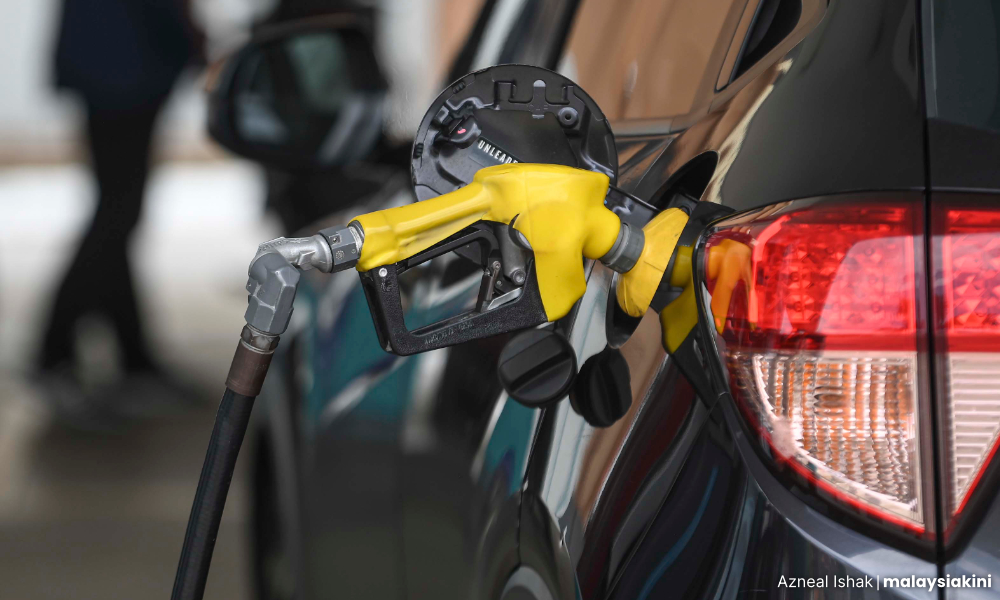
Specifically, Williams recommended a tiered fuel pricing structure in which full subsidies would apply to the first 100 litres of petrol, followed by half subsidies for the next 50 litres, 25 percent subsidies for the following 50 litres, and no subsidy for consumption above 200 litres.
Govt ‘lacks creativity’ in economic policy
Alternatively, he said the government could also consider fully subsidising purchases below 100 litres and floating petrol prices above the limit, with the economist suggesting that public money saved by such a move should go to other social protection initiatives.
“Besides a quarterly Rahmah Necessities Aid (Sara) distribution for everyone, the money saved should be used for a Rahmah Cash Aid (STR) - Sara monthly payment to eligible recipients, identified through Padu and the Inland Revenue Board,” Williams said.
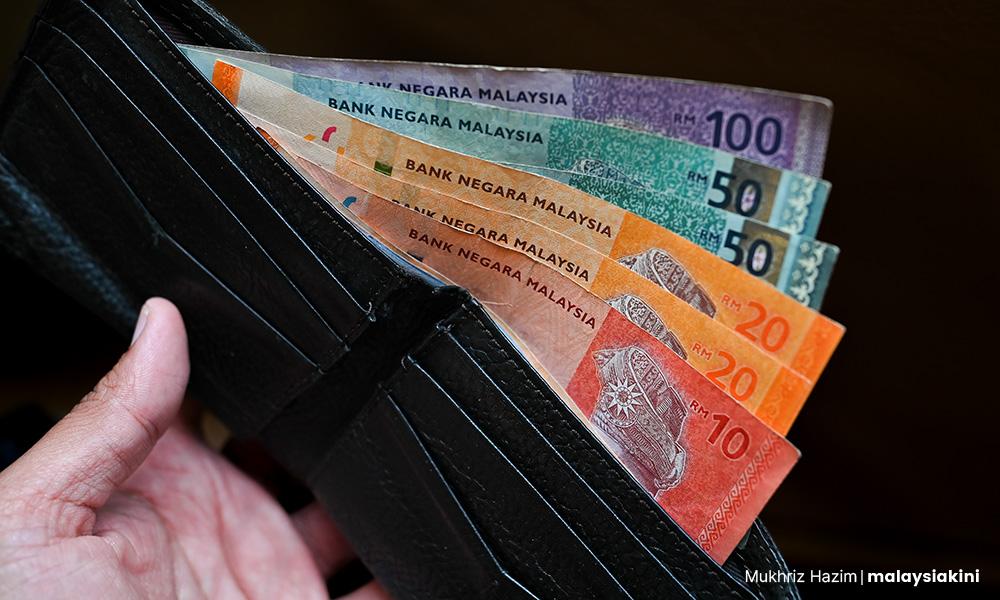
He added that such a move would not only be a world-leading form of Universal Basic Income, but is also likely to be “hugely popular” ahead of the upcoming general election.
“Unfortunately, Rafizi did not consider this when he was the economy minister, and the new economy minister (Akmal Nasir) also does not have this on his agenda.
“In other words, the government did not have the necessary creativity in economic policy in the past and does not have it now. It is relying on ad hoc, expensive responses,” he added. - Mkini

No comments:
Post a Comment
Note: Only a member of this blog may post a comment.