


The widening difference between subsidised and market-rate fuel prices, on top of extra costs for digital purchases, is among the reasons why certain petrol stations in the country are running out of fuel, said a trade association.
This is despite the government’s assurances that Malaysia has enough petrol and diesel until the end of May, as global supplies continue to be squeezed due to the West Asia conflict.
Bumiputera Petrol Station Dealers’ Association of Malaysia president Abdul Aziz Sapian told Malaysiakini that any supply disruption goes beyond a temporary logistical issue.
“The current supply disruption is not merely a temporary logistical issue, but reflects a structural mismatch within the existing system,” said Aziz in response to questions from Malaysiakini.
“Operators function within controlled margins as ‘price takers’, yet bear increasing costs and risks without the ability to adjust prices.”
The Malay Chamber of Commerce Malaysia and the Malaysian Economic Action Council endorsed his remarks.
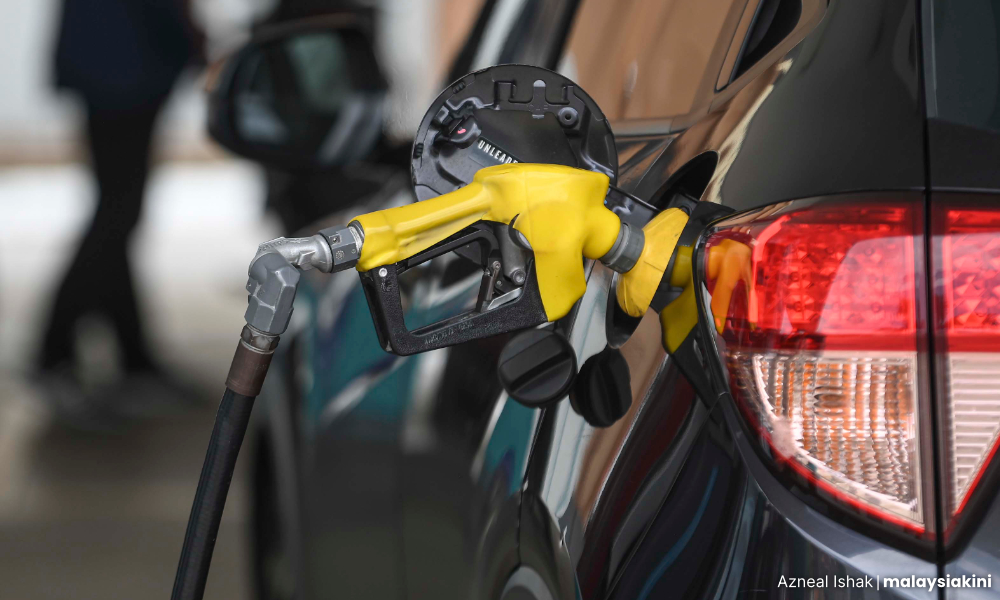
Aziz’s comments follow media reports, social media posts, and on-the-ground observations that certain petrol stations have run out of diesel.
Specifically, Aziz explained that the current price set through the automatic pricing mechanism - adjusted weekly since April 2017 - has created a “mismatch” with the actual price of stock purchased by dealers.
“The physical fuel supply chain operates on a longer cycle, involving procurement planning, delivery, and distribution.
“This creates a situation where retail prices change faster than the actual cost of stock at the station level,” he said.
“As a result, operators are exposed to price volatility risks.
“When prices fall, they are forced to sell inventory purchased at higher prices without any compensation mechanism, leading to stock losses,” he explained.
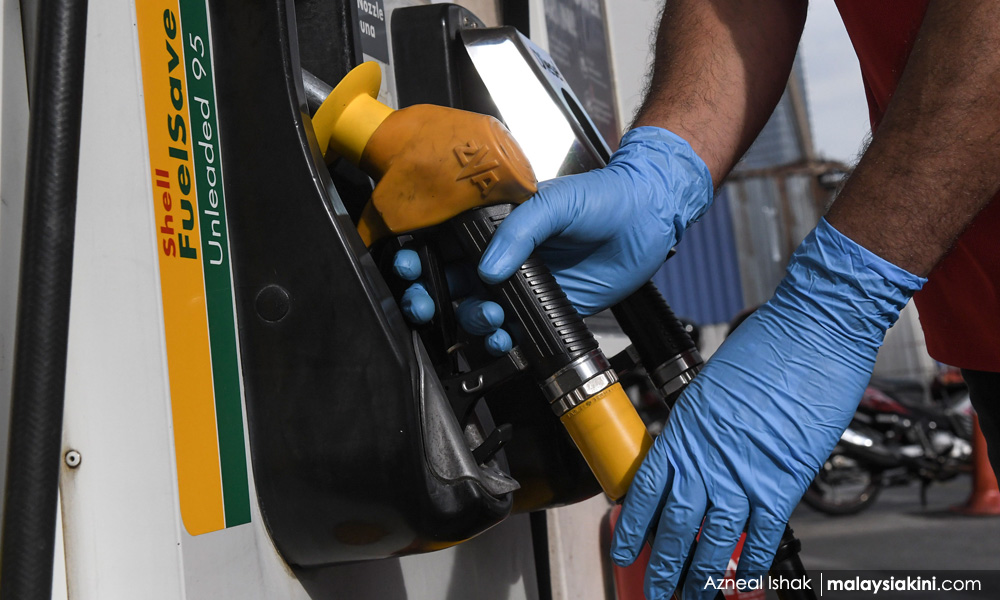
On April 8, the Finance Ministry announced a 70 sen increase in the retail price of diesel to RM6.72 per litre in Peninsular Malaysia, despite a drop in global oil prices in the wake of a ceasefire in the Iran war.
The ministry also announced that the retail price of RON97 petrol has increased by 40 sen to RM5.35 per litre, while the retail price of RON95 petrol has increased by 40 sen to RM4.27 per litre.
At the same time, subsidised RON95 petrol for eligible Malaysians remains capped at RM1.99 per litre with a monthly quota of 200 litres.
The Madani administration has also made subsidised diesel available at RM1.88 per litre, RM2.05 per litre, and RM2.15 per litre, depending on the industrial sector.
Restructuring needed
Aziz said rising fuel prices have sharply increased operators’ working capital needs, while physical and structural constraints continue to limit their ability to adjust operations.
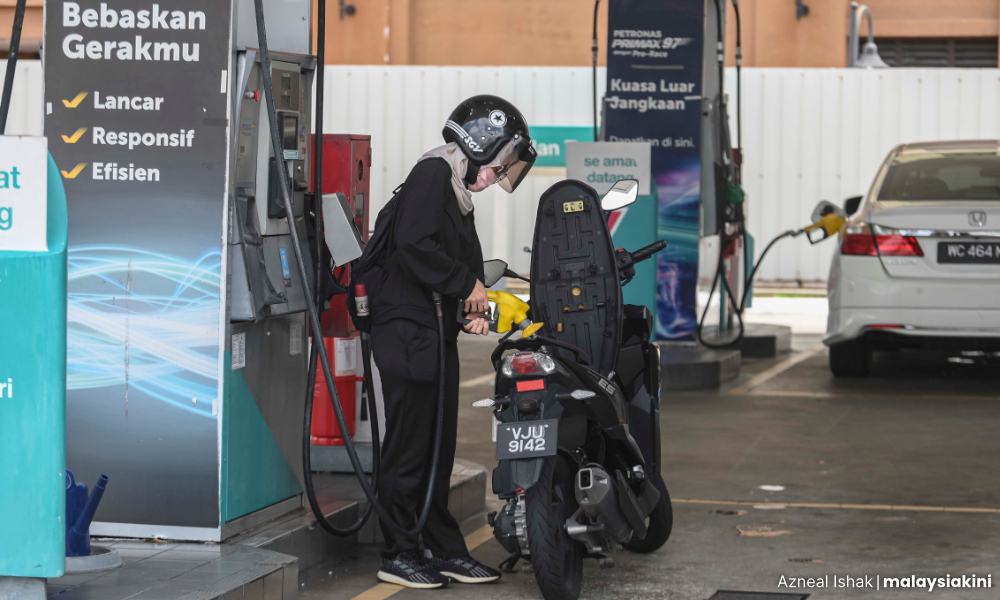
Claiming to represent over 3,000 bumiputera petrol station dealers, Aziz said industry trends had pointed to an increasingly unsustainable business model, with members moving to sell their petrol stations.
“Under the targeted subsidy mechanism, particularly for diesel, operators are required to purchase fuel at full market price but sell it to consumers at a lower subsidised rate.
“The price difference is not paid directly to operators, but is instead claimed by oil companies from the government, effectively forcing operators to advance subsidy financing using their own capital,” he said.
“In practice, given daily sales volumes and minimum stock requirements, this capital exposure can reach hundreds of thousands of ringgit at any one time, positioning operators not merely as retailers but as informal financiers of the subsidy system.
“This pressure is further compounded by delays in payment, which lock up working capital and increase reliance on short-term financing, along with additional financial costs,” he said.
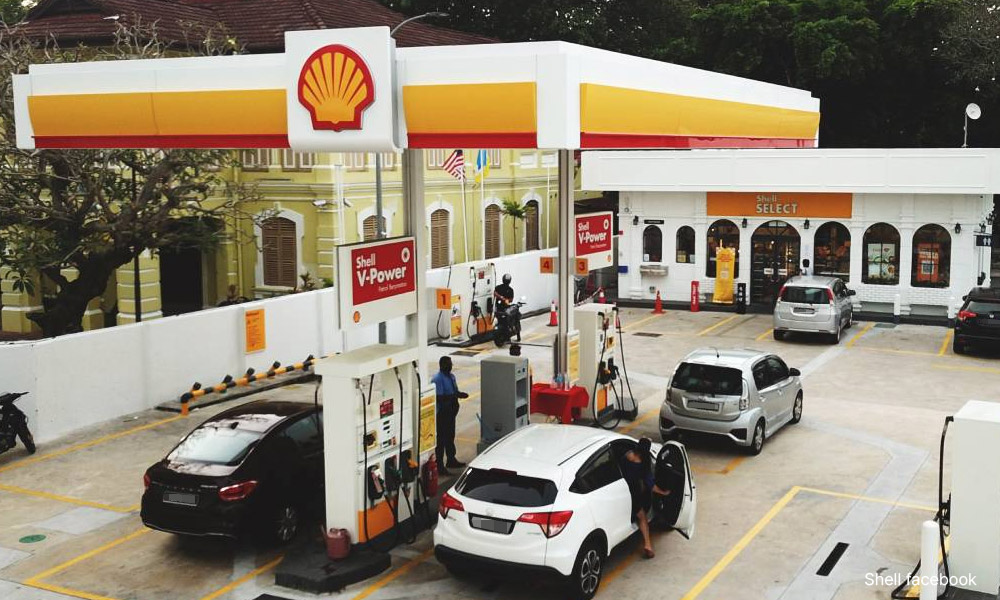
He said the situation has prompted calls for a comprehensive review of pricing mechanisms, cost structures, and policy design to ensure the viability of petrol stations as a critical component of the national fuel supply chain, while safeguarding economic stability and public welfare.
Elaborating, Aziz also said the transition to cashless purchases for fuel costs dealers one percent extra due to the merchant discount rate (MDR).
“For instance, with diesel priced at RM6.72 per litre, a one percent MDR translates to 6.72 sen per litre - more than half of the operator’s margin.
“For sales of 50,000 litres of diesel, operators would generate gross revenue of RM6,400, but incur MDR charges of RM3,360, leaving profits minimal or even negative after accounting for operating costs,” he argued.
“Moreover, as the charges are applied to the full transaction value, including the subsidised component, this raises the risk of indirect leakages through financial transaction costs,” he added.
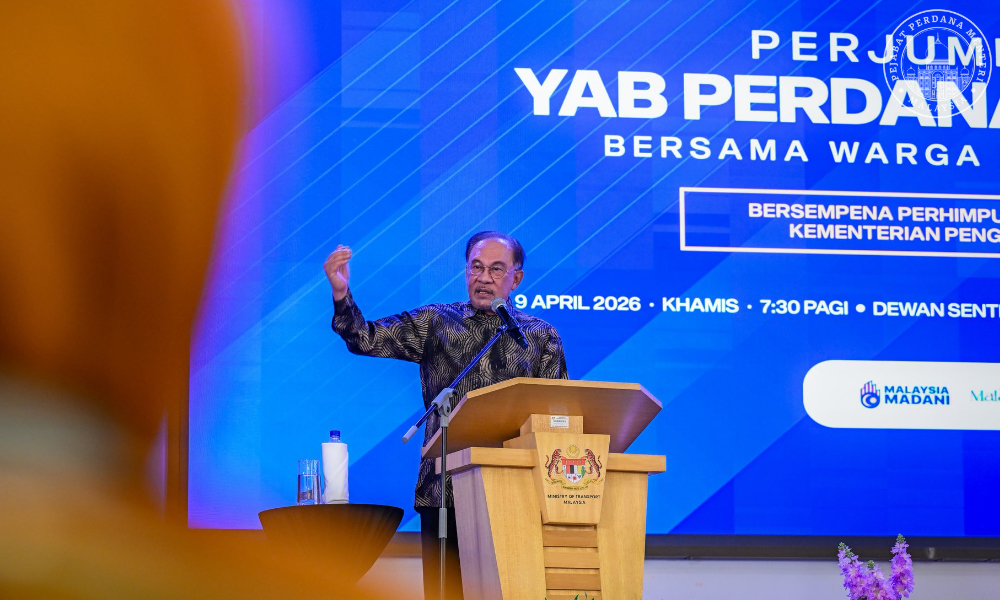
On April 10, Prime Minister Anwar Ibrahim, who is also the finance minister, acknowledged that the government is facing financial pressure in sustaining the subsidised RON95 price but stressed that it is important to continue the programme to reduce the people’s burden.
The initial drop in global oil prices follows the announcement of a ceasefire between Iran and the US, after five weeks of conflict had sparked a global energy crisis.
However, US Vice-President JD Vance said yesterday that Washington and Tehran have failed to reach an agreement after two days of negotiations. - Mkini

No comments:
Post a Comment
Note: Only a member of this blog may post a comment.