


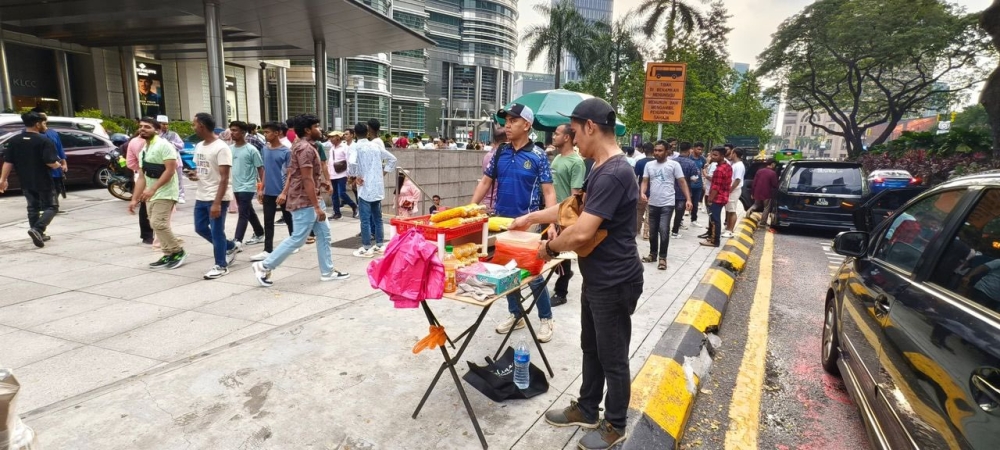
Whether it’s roadside nasi lemak or a trendy food truck, navigating the regulations is your first real hurdle. Based on the official Kuala Lumpur City Hall e-Lesen guidelines and FAQ, here is everything you need to know before you start firing up the wok.
Eligibility
Before looking for a spot, check if you meet the basic criteria. DBKL is strict about who can hold a hawker license.
First, only Malaysian citizens aged 18 or older can apply.
The second criterion is that you, the licensee, must personally conduct the business. You’re not allowed to “rent out” or “sublet” your license to others, especially foreigners. Doing so is a fast track to getting your license revoked.
Find the right hawker licence
You need to apply for the specific category that fits your business. Individual licenses are available for static stalls, mobile vendors, and market hawkers.
The first are your typical roadside stalls or those in DBKL-owned hawker centers. The second category is for food trucks, caravans, or motorcycles/tricycles. The last covers night and morning markets, or indoor markets.
There are also seasonal or temporary permits for specific events like Ramadan or seasonal fruit stalls (such as durians), which have their own application procedures.
The “Must-Have” health requirements
If you sell food or drinks, DBKL and the Ministry of Health (MOH) require typhoid vaccination (TY2). Both the owner and all assistants must be vaccinated.
A hawker must also obtain a Food Handling Certificate by attending a one-day course recognised by the Ministry of Health.
You are also required to use biodegradable packaging as part of a wider effort to make hawking as environmentally-friendly as possible. Using plastic or polystyrene can result in a fine of up to RM1,000.
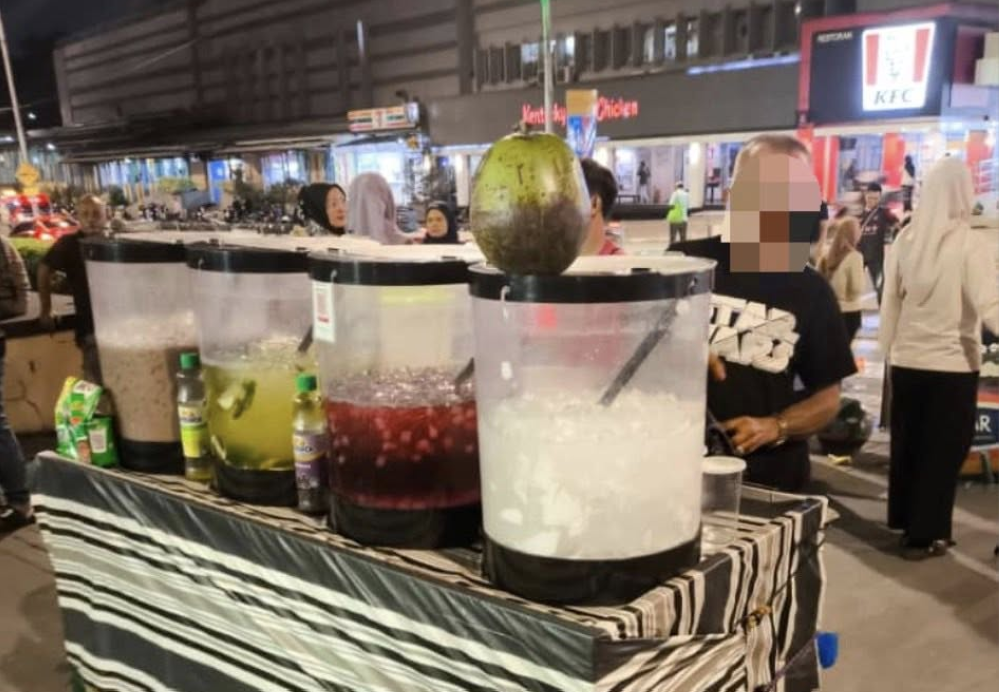
Key rules of the road
Once you have your license, the hard work begins. You must follow these operational rules:
• No obstruction: You cannot block traffic, fire hydrants, or pedestrian walkways.
• Location: You must operate only at the site/plot specified in your license.
• Assistants: All assistants must be registered with DBKL and must be Malaysian citizens.
• Cleanliness: You are responsible for keeping your plot clean. Waste must be disposed of properly.
• Structure: For roadside stalls, tents/canopies usually cannot exceed 3.3m x 3.3m (10’ x 10’).
The application process (e-Lesen)
DBKL has digitised the process. You no longer need to queue at Menara DBKL for every step. So here’s what you need to do:
Create an account on the DBKL e-Lesen portal. You’ll need to upload a copy of your IC, a passport-sized photo, and photos of your business location (front, side, and distant views). Mobile hawkers must present their vehicle registration.
You must also present your food handling certificate and proof of your typhoid jab.
Once all that is done, wait for DBKL officers to visit the site to ensure it’s suitable and doesn’t cause a nuisance to the public.
Never start a business before your license is approved. DBKL enforcement can seize your equipment and issue compounds if you’re caught hawking without a license.
What happens if you break the rules?
DBKL follows a “Three Strikes” style of enforcement, though it can be immediate for serious offenses:
They could issue a compound notice, which carries a fine of usually up to RM1,000. Or, they will issue a show-cause letter demanding you explain why your license shouldn’t be cancelled.
If your license is cancelled, you may be blacklisted from future applications. - malaymail

No comments:
Post a Comment
Note: Only a member of this blog may post a comment.