


A NO-NONSENSE champion of governance has rekindled a nostalgic feel among older generation Malaysians when he took a leaf from the past to espouse that the biggest lesson from Malaya’s history is that the country which is now Malaysia “is not built by one race”.
On the contrary, finfluencer ksampoh@MyOwn Inc (@ksampoh) highlighted that the country is built by an economic system where different groups play different roles for an eventual collective prosperity of its populace.
In so doing, he subtly defended the oft-criticised British “divide and rule” system in propelling the economy “where different community groups play different roles” while also clarified the common misunderstanding of “Indians were only estate workers”.
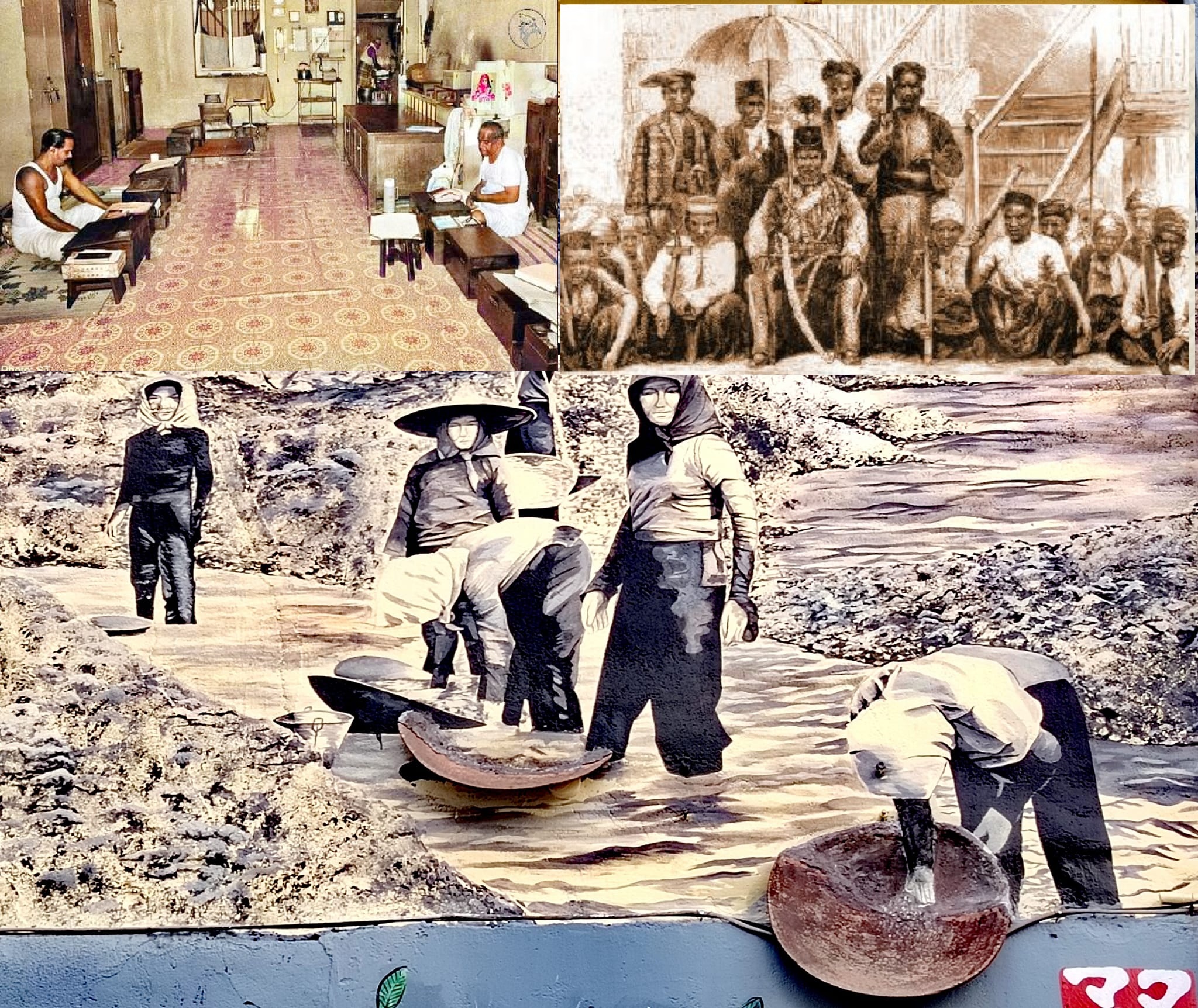
“In British Malaya (1880s to 1940), the British held political and administrative power. The Chinese had commercial and mining power. The Chettiars had financial power,” he penned on X.
“The Malays had land and traditional authority. Indians built infrastructure and plantations. Ceylon Tamils ran administration and government departments.”
But along the way, while deliberating on the subjects of land ownership and the economy, the poster lamented that the ensuing discussion often becomes emotional and political.
Self-interest, wealth craze
Concurring with the view, human rights activist and lawyer Siti Kasim vouched that she was taught “a version of history where every segment of our society played a role in building Malaya – and later, Malaysia”.
“It was a narrative of shared contribution and collective progress,” reacted the Oranmg Asli advocate on her Facebook page.
“But somewhere along the way, that narrative seems to have changed. Our history books no longer feel the same. Increasingly, they appear shaped by propaganda and selective truths, influencing how the next generation understands our past and, ultimately, our future.”
Delving further, Siti Kasim believes that many of the challenges Malaysia faces today stem from those in power – “individuals who may be driven less by national interest and more by the desire to maintain control and continue exploiting the nation’s wealth at the expense of ordinary citizens regardless of race”.

“It is time for change. We need new faces, new energy and leaders with genuine integrity. Too often, we see a lack of accountability and a reluctance to do what is right,” lamented the 63-year-old Methodist Girls School Melaka alumnus.
“If they fail to perform, we must vote them out. That power lies firmly in our hands. Elections exist for a reason – and we must use them wisely, consistently and without fear”.
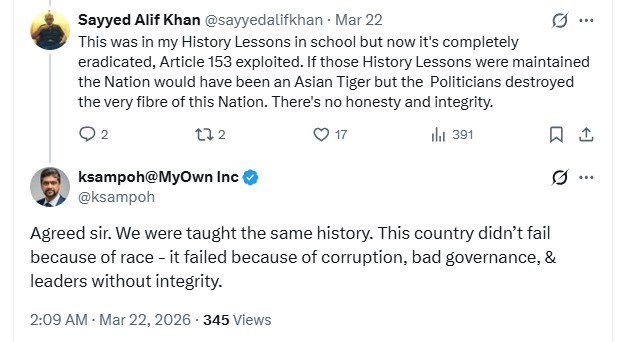
Siti Kasim is certainly not alone as fellow senior Malaysian Sayyed Alif Khan (@sayyedalifkhan), too, recounted “this was in my history lessons in school but now it’s completely eradicated”.
Graft culture
“Article 153 (of the Federal Constitution) exploited. If those history lessons were maintained, the nation would have been an Asian Tiger but the politicians destroyed the very fibre of this nation. There’re no honesty and integrity.”
Editor’s Note: Article 153 of the Federal Constitution mandates the Yang di-Pertuan Agong to safeguard the special status of the Malays and natives of Sabah/Sarawak alongside the legitimate interests of other communities.
It authorises, among others, quotas for public service, education and business licenses to address socio-economic disparities, forming a cornerstone of Malaysian affirmative action policy.
This was when ksampoh@MyOwn Inc himself remarked that “this country didn’t fail because of race – it failed because of corruption, bad governance and leaders without integrity” – all rhyming with Siti Kasim’s personal take on Malaysia’s current state of affairs that perhaps only the Baby boomers and Gen X citizens can attest to.
Something to which the liberal-minded Sayyed Alif Khan suggested the timeline of decline: “Spot on, Sir. The nation was in good stead till the era of Tun Hussein Onn (Malaysia’s third premier) after which the cancer set in.”

- focus malaysia

No comments:
Post a Comment
Note: Only a member of this blog may post a comment.