


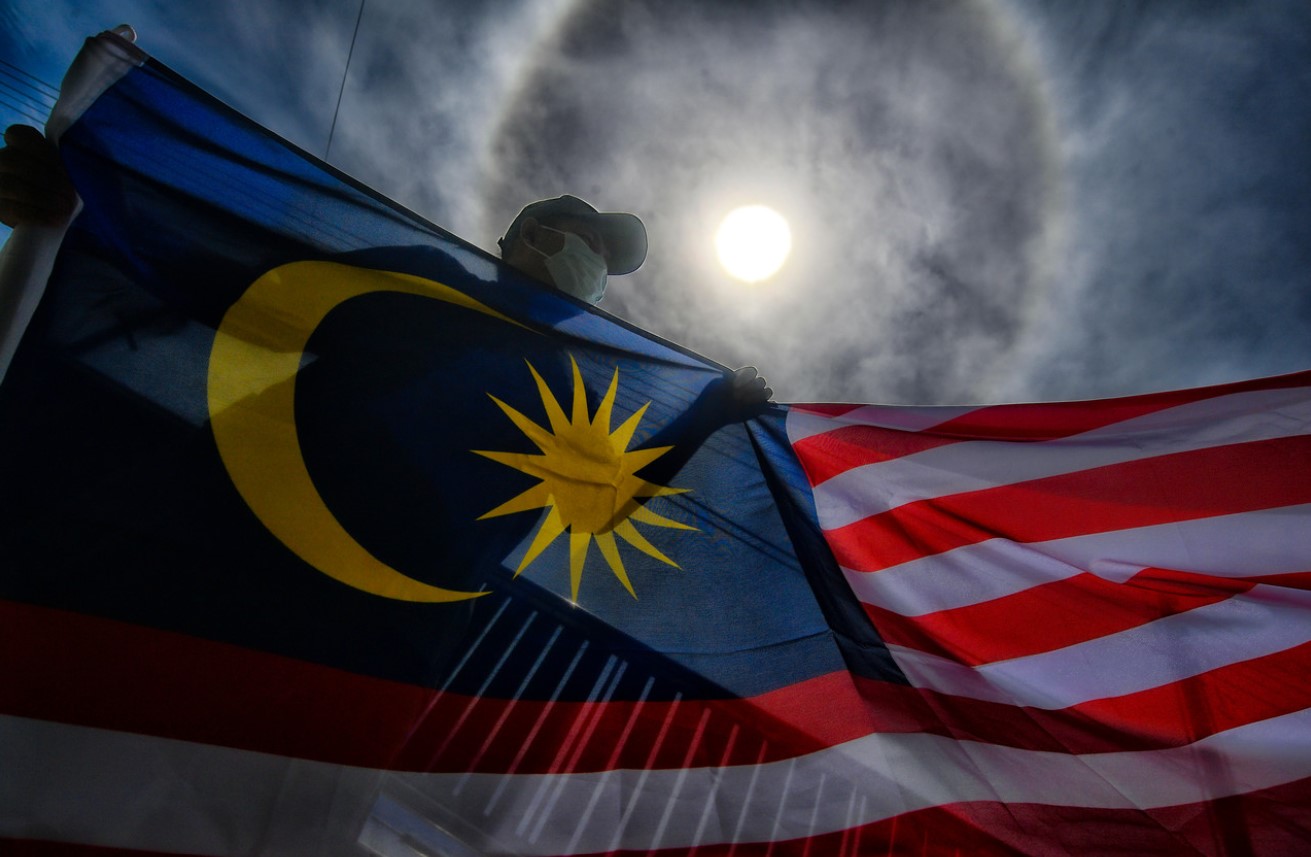
WE tend to treat the May 13 incident as something safely tucked away in the past—finished, contained, and far removed from who we are today.
But that sense of distance is dangerous. It’s not just a historical tragedy; it’s a lasting reminder of how quickly things can fall apart when restraint gives way and division is left to fester.
Back in 1969, Malaysia was still a young nation finding its footing—grappling with political tensions, economic gaps, and deep communal sensitivities. When violence broke out, it stayed within our borders.
The world watched, but kept its distance. Back then, sovereignty still offered a kind of shield. That shield is gone.
Today, Malaysia is woven into the global fabric—through trade, technology, and diplomacy. If serious racial unrest were to erupt, it wouldn’t stay a domestic issue for long.
Within minutes, images and stories would travel across the world, often stripped of context, sometimes twisted, but always influential.
So the real question isn’t whether foreign intervention would happen. It’s whether Malaysia can hold its ground under the weight of global attention.
Let’s be clear: no one is likely to send in troops. Malaysia is stable, with functioning institutions and the backing of ASEAN, whose non-interference principle still gives us important diplomatic breathing room.
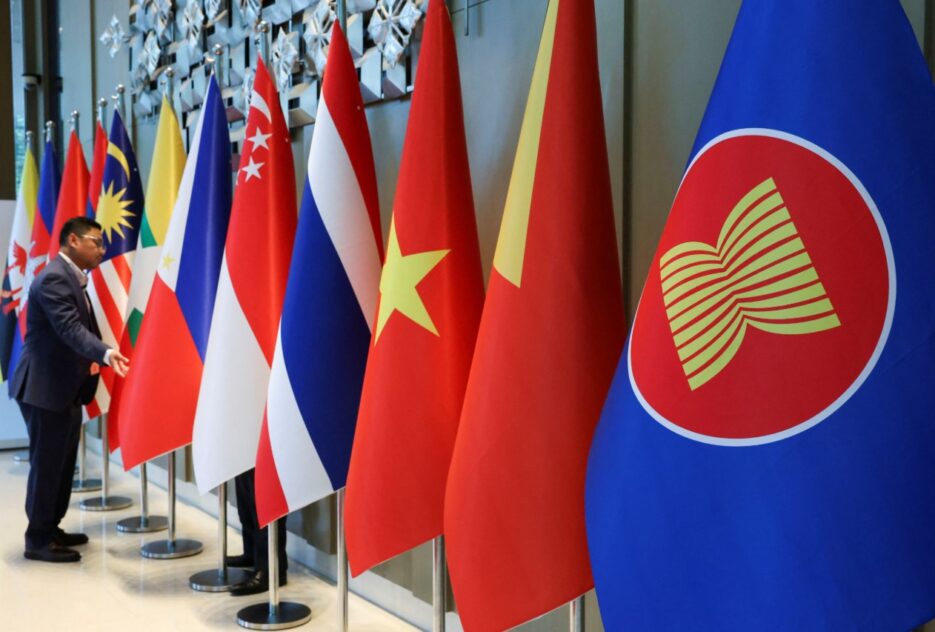
But sovereignty today isn’t tested by invasion—it’s tested by influence.
If things spiral, international bodies like the United Nations would almost certainly weigh in, especially if civilian safety or minority rights come into question.
There would be statements. There would be scrutiny. And the story of what’s happening in Malaysia could end up being shaped by outsiders who may not fully understand our complexities.
Then there’s the economic side—more immediate, and just as brutal. Markets hate instability. Even the *perception* of racial tension can send investors running, trigger capital outflows, and put pressure on the ringgit. In a globally connected economy, instability travels fast and hits hard.
But the bigger threat is closer to home.
Unlike in 1969, today’s tensions are supercharged by technology. Social media doesn’t just spread information—it spreads fire.
Racial narratives that once stayed within neighborhoods or coffee shops can now reach millions in hours, inflaming emotions long before facts have a chance to catch up.
Modern conflict doesn’t start on the streets. It starts in perception.
We’ve seen it in recent controversies—how quickly issues of race and religion can blow up into national flashpoints. These aren’t isolated incidents. They’re warning signs. Reminders of just how fragile our cohesion can be if we’re not careful.
That’s why the calls from His Majesty Sultan Ibrahim, King of Malaysia for unity and vigilance deserve to be taken seriously.
His Majesty’s firm stance—that threats to harmony must be addressed without compromise—points to a simple truth: unity doesn’t sustain itself. It has to be actively protected.
The lesson of May 13 isn’t just “never again”. It’s “never assume it can’t happen again”.
A nation’s strength isn’t tested in calm waters. It’s tested when tensions flare and emotions run high. It’s easy to stand for unity when no one’s challenging it. It’s much harder when provocation is everywhere.
Leaders must resist the temptation to use race for political gain. Institutions must act fairly and consistently. And the rest of us—especially in how we behave online—must choose restraint over reaction.
Sometimes, silence is discipline. Restraint is strength.
Our diversity is still our greatest asset—but only if it’s grounded in mutual respect. Without that, diversity stops being a strength and becomes a fault line.
The world is watching more closely than ever. But in the end, Malaysia’s future won’t be decided from the outside.
It will come down to whether we—as Malaysians—choose wisdom over impulse, unity over division, and responsibility over rhetoric.
Because a nation isn’t undone in a single moment. It’s undone in the many moments when warnings are seen, but ignored.
KT Maran
Seremban, Negri Sembilan
The views expressed are solely of the author and do not necessarily reflect those of MMKtT.
- Focus Malaysia.

No comments:
Post a Comment
Note: Only a member of this blog may post a comment.