


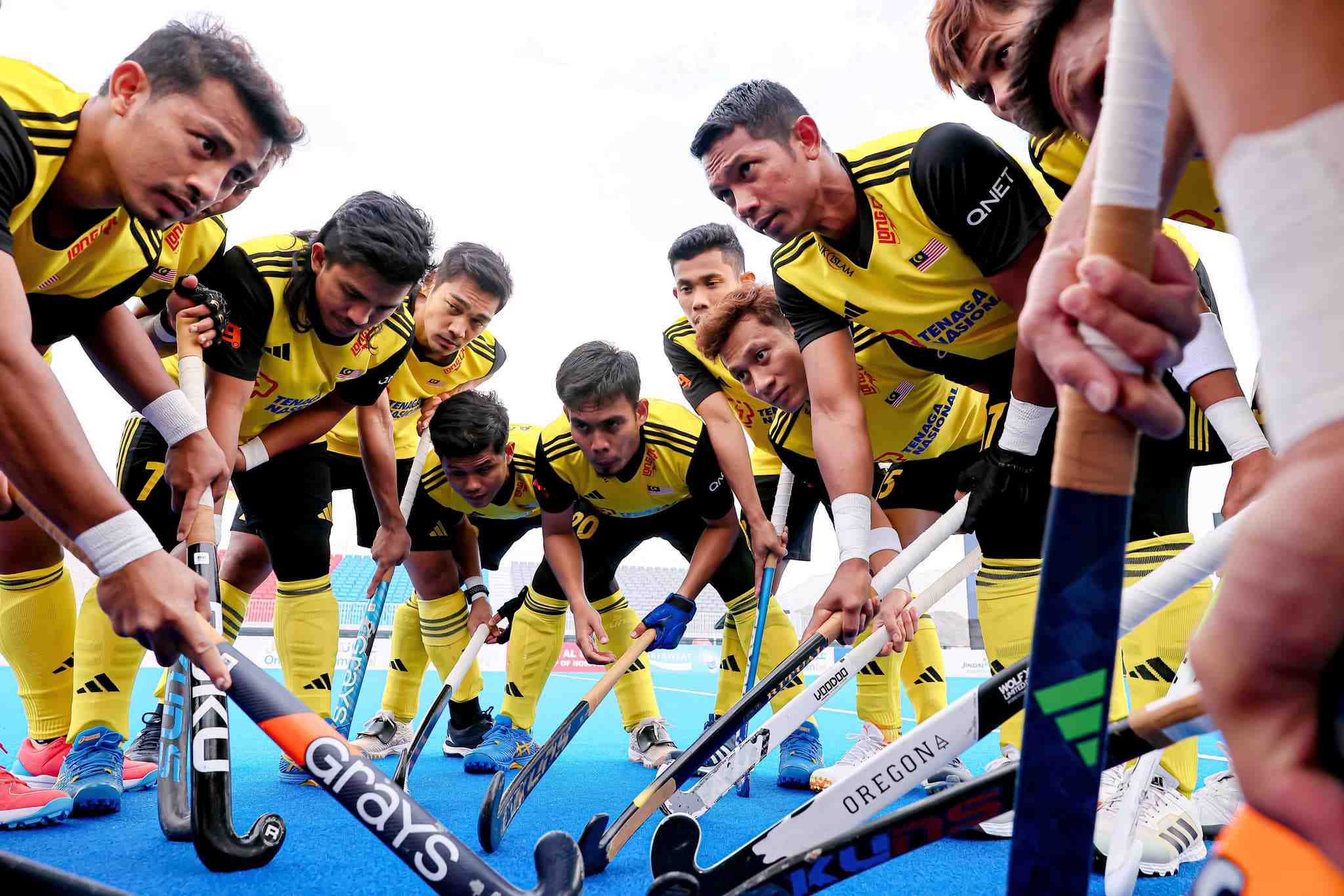
THE Men’s FIH Hockey World Cup will be held jointly in Belgium and the Netherland from August 15‒30, 2026.
The nations that have qualified are Malaysia, Argentina, Australia, Belgium, England, France, Germany, India, Ireland, Japan, Netherlands, New Zealand, Pakistan, South Africa, Spain,and Wales.
The tournament is expected to be entertaining and exciting as the co-hosts are dominant in hockey and based on home ground advantage one of them could end up as the champion.
Belgium has, in recent years, made rapid progress to occupy one of the top spots whereas the Netherlands has been a major hockey powerhouse for decades. India too has a skilful team that is bidding for a podium finish.
Some other teams like Australia, New Zealand, Germany and Argentina are also the top picks. Most of the teams are very strong and evenly matched and the games could go either way.
Possibly, the weakest nation is Malaysia which has qualified based on its international ranking rather than on merit. The Speedy Tigers have seen a decline in performance in the recent years.
The team continues to be mono-racial and this could be the chink in their armour. Looking back at the past decades Malaysian hockey was more multi-racial and there was a greater competitive spirit to win a place in the team, which at times was at par with some of the best international teams.
The 1975 hockey team, whose fourth place achievement has not been equalled, is lauded as the best diverse team the nation produced.
Most of the 1975 team players came from the west coast English missionary secondary schools which had inherited the colonial tradition of sports, foremost among them being hockey, cricket, rugby and others.
These schools believed in an all-rounded education and had large fields, capable hockey coaches and trainers and inter-school and inter-state rivalries increased the competitive spirit of the players.
The 1975 team was as much a multi-racial team as the situation then allowed. Indians (Sikhs included) dominated the team as they has a liking and talent for hockey just like they have for cricket.
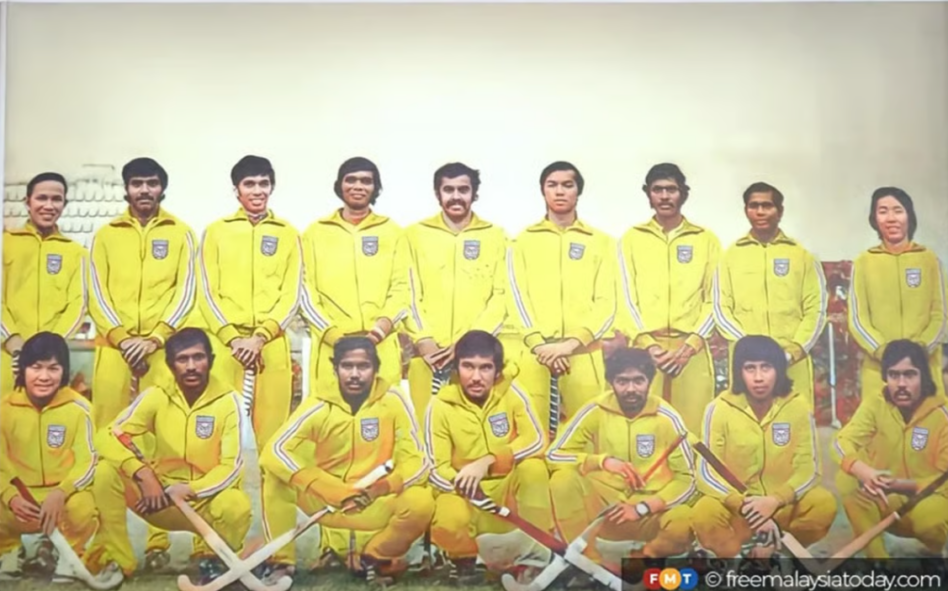
Today there is not a single Sikh hockey player in the team! Sikhs have been synonymous with hockey right from the days of India’s Olympian Dhyan Chand.
There were also some Chinese and Eurasians in the 1975 team and also Malay administrative officials. In fact, did you know that Malaysia’s hockey-loving second premier Tun Abdul Razak was once the head of the Hockey Federation?
Over the decades since the 1970s the contributions of these English schools in sports like hockey had declined.
The attention then turned to the residential schools which had large training grounds and other facilities.
Malay students form the overwhelming majority in these schools and the Speedy Tigers mostly recruited from these schools is reflective of the change in the racial composition of the hockey teams.
Hockey is a sport that demands skills, speed and stamina and a racially diverse team is better suited to the demands of this punishing sport.
There is an inexplicable x-factor in diversity which can be advantageous for sports as can be in seen internationally in soccer, tennis, cricket and many others.
Based on recent performances, the Speedy Tigers may not be able to make a big impression come August in the Hockey World Cup, but for the future betterment of hockey the talent scouts and selectors should try to ensure that the national team is as multi-racial and diverse as possible for brighter winning days ahead for Malaysian hockey. ‒ Focus Malaysia

No comments:
Post a Comment
Note: Only a member of this blog may post a comment.