


When the Dewan Rakyat reconvenes tomorrow, lawmakers are expected to find no shortage of drama waiting for them, with plenty of material having accumulated before they even take their seats.
Since the august house last sat between January and March, the political landscape has shifted considerably, marked by a fracturing opposition, the introduction of new political vehicles, and the dissolution of two state assemblies in quick succession.
With the Johor state election scheduled for July 11 and Negeri Sembilan’s on Aug 1, the second meeting of the 15th Parliament's fifth session, scheduled to run until July 16, will coincide almost entirely with live campaigning for the polls.
For MPs doubling as state-level candidates or involved in election machinery, the pull between the lower house and the ground, as well as the sharper-than-usual barbs that accompany an election season, could be a constant undercurrent of this meeting.
Fragmented PN
The tension will be most visible on the opposition benches, which will be entering the meeting in an expected state of barely contained disarray.
Over the months since the previous sitting, Perikatan Nasional has lurched through a succession of internal crises, including sacked Bersatu deputy president Hamzah Zainudin’s recent announcement of a new political venture, which has PAS’ backing.
Hamzah had earlier launched his Reset movement on Feb 14, a day after his expulsion from Bersatu, with the party either suspending or terminating the memberships of 19 MPs elected under the PN banner.
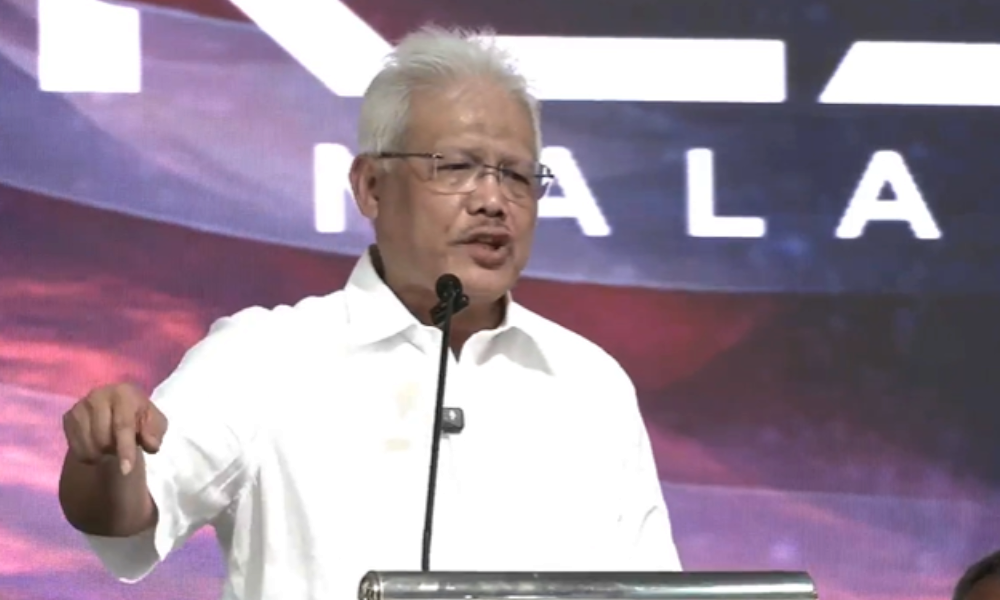
Relations between Bersatu and PAS have also been less than cordial for much of the year, culminating in PAS deciding to terminate their six-year political cooperation earlier this month and marking the most significant internal rupture within PN since its formation.
Despite the split, PAS and Bersatu claimed to both still be part of PN - a standing that has been questioned after coalition chairperson Ahmad Samsuri Mokhtar removed Bersatu secretary-general Azmin Ali as PN’s deputy secretary-general.
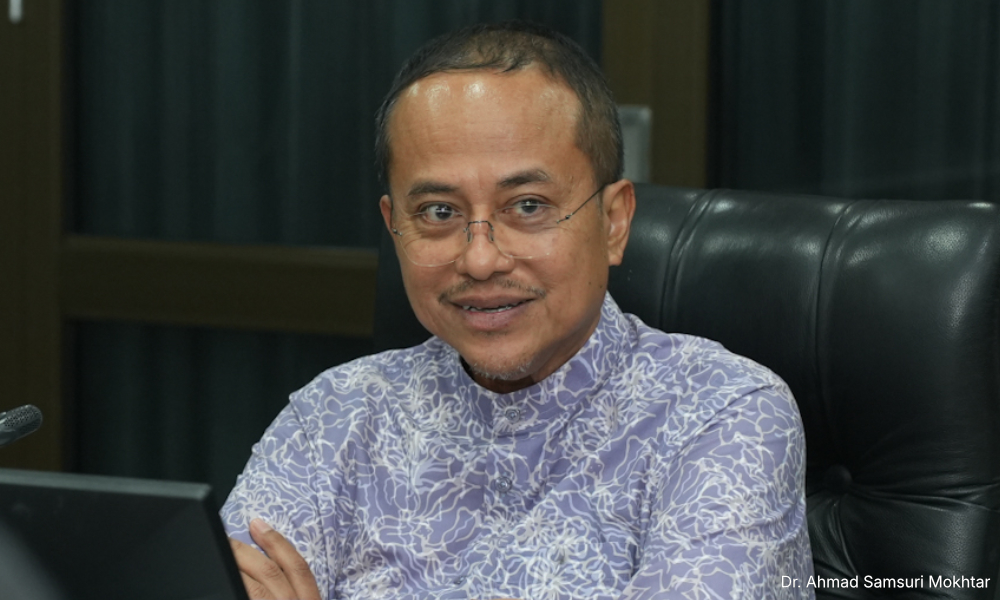
Samsuri, a PAS vice-president, also removed Bersatu vice-president Radzi Jidin as PN’s election director and replaced him with PAS election director Sanusi Nor.
The apparent war between the two parties is likely to be on full display in the Dewan Rakyat, where the opposition bloc is expected to present at least the appearance of a united front.
New sitting arrangement
That facade will be tested on the very first day, starting with something as basic as who sits where.
Hamzah, who is the Larut MP, will return to the opposition leader’s conventional seat on Monday, after PAS decided to reinstate him to the post.
The announcement by PAS president Abdul Hadi Awang, who is also the Marang MP, rendered Samsuri’s brief tenure as the opposition leader moot, given that he was not afforded the chance to hold the title during an active Dewan Rakyat session.
According to the latest seating arrangements posted on Parliament’s website, Hamzah will be seated next to Samsuri, who will have Hadi on his left, followed by PAS deputy president Tuan Ibrahim Tuan Man and suspended Bersatu vice-president Ronald Kiandee.
Bersatu president Muhyiddin Yassin, who resigned as PN chairperson in January, will be sitting way down the line in a move that puts him in Block E - beside PAS Youth chief and Alor Setar MP Afnan Hamimi Taib Azamudden - eight seats away from the former prime minister’s previous position beside Hamzah.
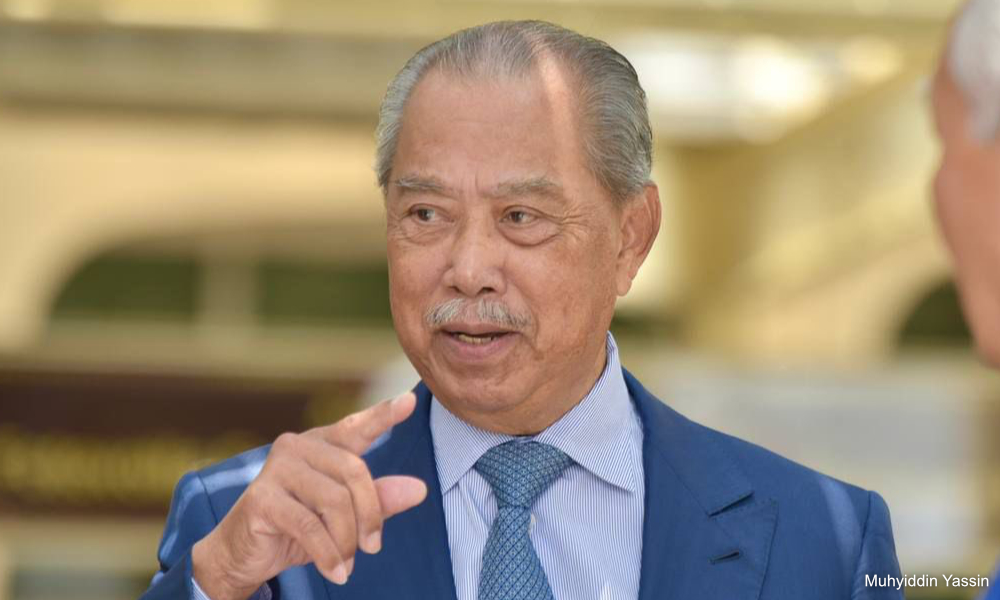
Dewan Rakyat speaker Johari Abdul confirmed that he had received notification of Hamzah’s reappointment as the opposition chief - while noting that Muhyiddin himself had requested the change in his seating, Berita Harian reported.
The arrangement, more than any press statement, appears to map the balance of power within a coalition that remains nominally intact but is visibly pulling in different directions.
Rafizi, Nik Nazmi’s exit
On the ruling coalition’s side, PKR lost two MPs - Rafizi Ramli (Pandan) and Nik Nazmi Nik Ahmad (Setiawangsa) - after the former ministers vacated their seats to lead a rebranded Parti Bersama Malaysia, which has since announced its intention to contest in elections.
Following their resignation as parliamentarians, which left PKR with 29 MPs, Rafizi also made it clear that Bersama will not be joining any political coalition, instead positioning the venture as an independent third force.

The Election Commission also confirmed that no by-elections will be held for the two parliamentary seats, following Johari’s notification that there is no requirement to fill the vacancies.
Parliamentary bills
For Putrajaya, the legislative agenda for this meeting is anything but light, with bills on its Order Paper carrying stakes that extend well beyond the chamber’s walls.
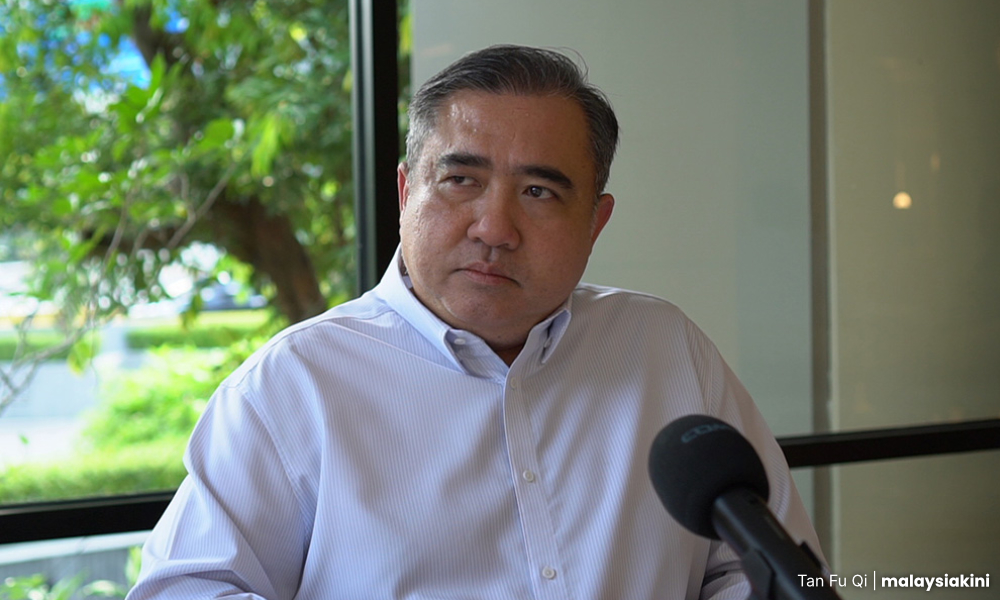
In particular, the Road Transport Act 1987 (Amendment) Bill, encompassing 11 areas of amendment and 42 clauses, will be tabled for its first reading tomorrow and debated the following day.
On June 18, Transport Minister Anthony Loke said among the key focuses of the comprehensive amendments is strengthening measures against illegal street racing, which continues to pose a serious threat to the safety of road users.
The sitting will also see the tabling of the Cybercrime Bill, a piece of legislation that has long been anticipated, given the surge in online scams and digital fraud cases, which have increasingly put pressure on enforcement agencies to assuage public concerns.
On the cyber front, Fadillah Yusof said in February that a new law is being drafted to curb online gambling, with the deputy prime minister saying that the proposed legislation is expected to be tabled during this sitting, subject to the bill’s readiness.
Fadillah had also noted then that the suggested law is under review as to whether it will be introduced as a new act or incorporated as amendments to existing legislation, such as the Common Gaming Houses Act 1953.
On May 4, Natural Resources and Environmental Sustainability Minister Arthur Joseph Kurup said the government is in the final stages of completing the National Climate Change Bill and the National Climate Change Authority Bill, with both bills expected to be tabled in July.
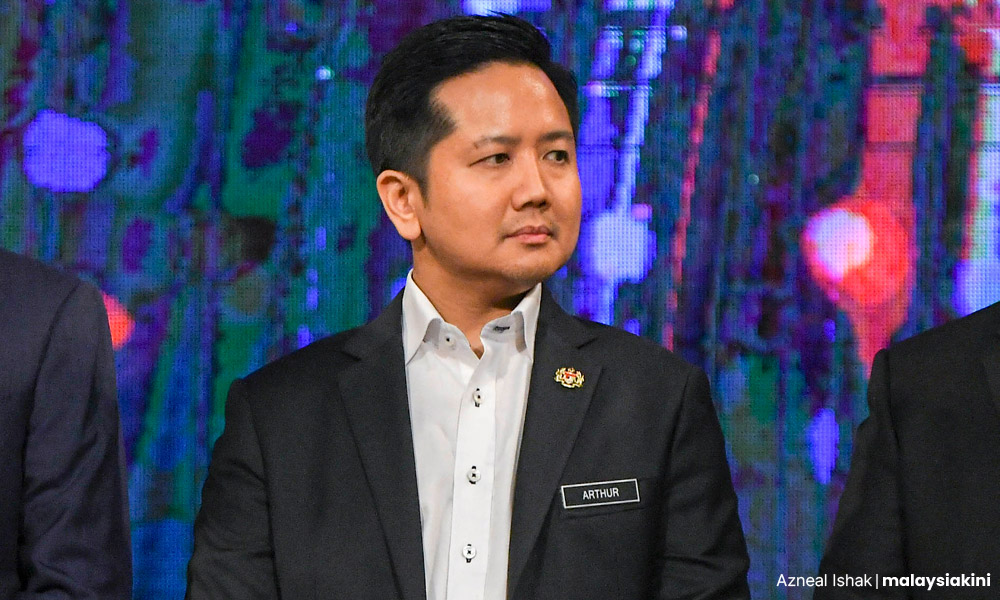
The National Climate Change Bill is set to introduce a monitoring, reporting, and verification system to underpin carbon pricing and the nation’s shift to a low-carbon economy, while also allowing a structured rollout of carbon pricing ahead of carbon taxes and carbon markets.
PM’s term limit
Making a return to the Dewan Rakyat’s Order Paper are two constitutional amendments which were previously tabled during the first meeting of this session.
The Constitution (Amendment) Bill, which seeks to cap the prime minister's tenure at 10 years, will be retabled after failing to secure the two-thirds majority required during its first outing.
Alongside it, another proposed constitutional amendment, which seeks to formally separate the roles of the attorney-general and the public prosecutor, returns after being referred to a parliamentary special select committee for further scrutiny.
On the welfare front, suggested amendments to the Self-Employment Social Security Act 2017 are also expected to be tabled for lawmakers’ consideration.
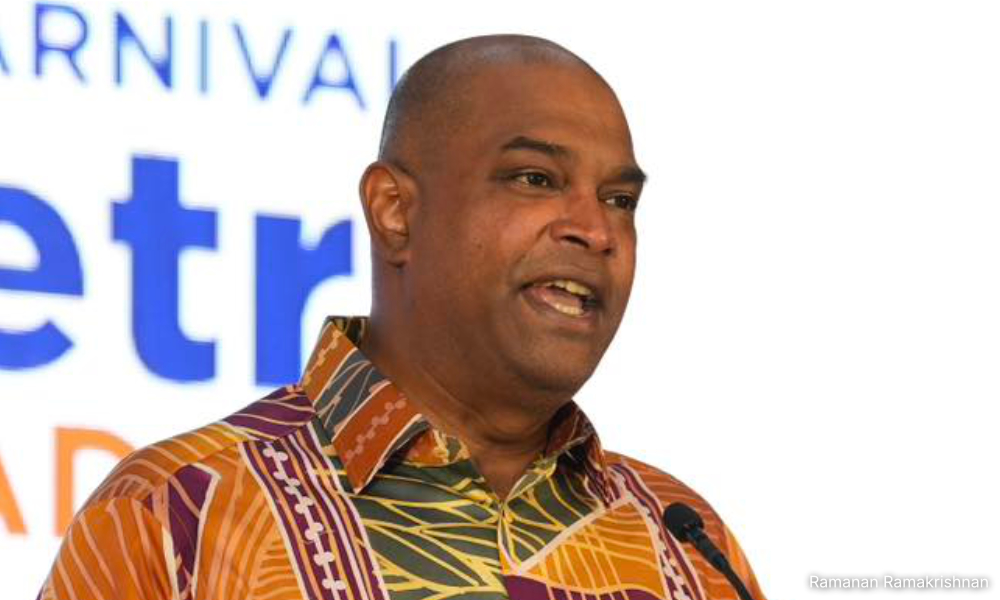
Human Resources Minister R Ramanan said in May that the amendments are aimed at expanding the Socso coverage to include Malaysians working overseas.
The PKR MP highlighted that about 480,000 Malaysians commute daily to Singapore for work, while 54 fatal accidents were recorded last year, with the figure underscoring the urgency behind the proposed expansion.
While the Senior Citizens Bill could also be on advocates’ minds this sitting, its tabling remains uncertain as Women, Family, and Community Development Minister Nancy Shukri said in May that her ministry would require six months before presenting the bill in Parliament, thus putting a realistic tabling date closer to year-end.
While acknowledging that Malaysia “needs the bill badly”, The Star quoted Nancy as saying that the proposed legislation keeps being delayed as stakeholders insist their views be heard first.
Amendments to Sosma
Perhaps, the most politically charged bill on the anticipated Order Paper, however, is the proposed amendment to the contentious Security Offences (Special Measures) Act 2012 (Sosma).
In January, Home Minister Saifuddin Nasution Ismail said a bill to amend Sosma is expected to be tabled at the upcoming parliamentary meeting, with the bill, at the time, going through its final stage of reviews by relevant authorities.
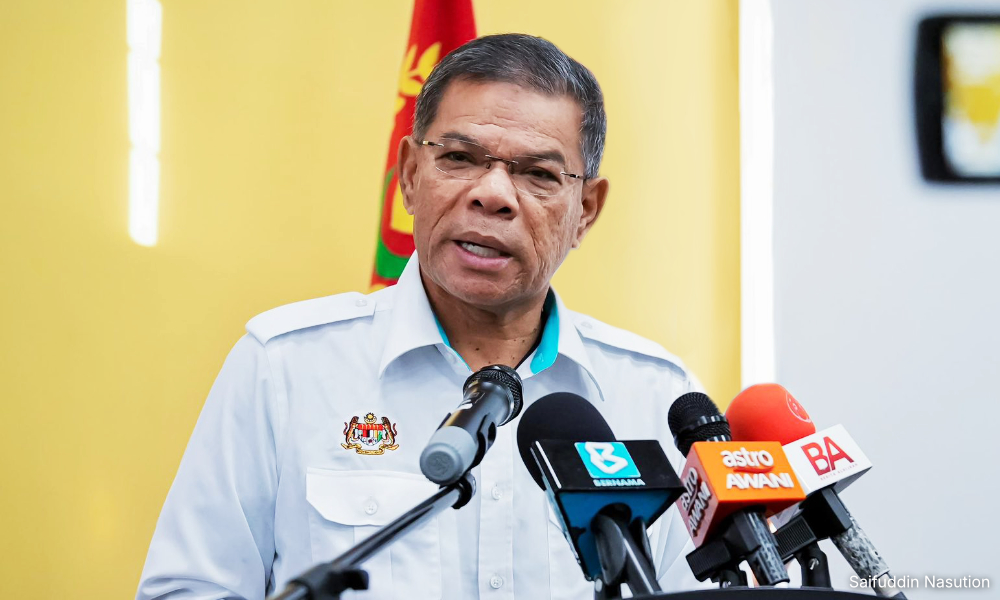
Last year, the Parliamentary Special Select Committee on Human Rights, Election, and Institutional Reform put forth eight strategic proposed amendments to the act to improve its implementation.
Whether the bill makes it onto the Order Paper this sitting will be a closely watched test of the government's reform commitments. - Mkini

No comments:
Post a Comment
Note: Only a member of this blog may post a comment.