


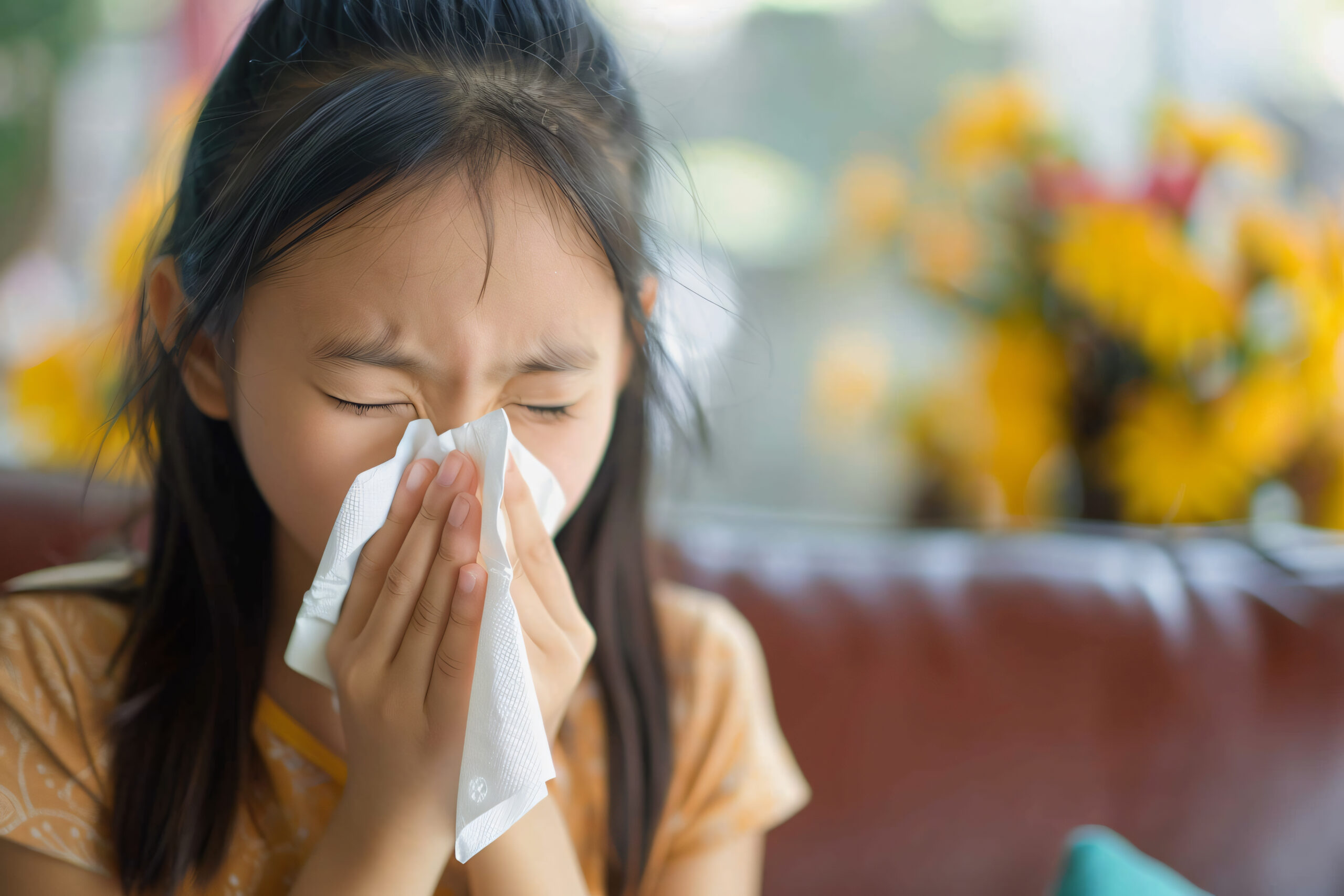
IT may start with a cough, a rash, or a low-grade fever. Before you know it, your child is home sick instead of being in school and you find yourself juggling work, worry, and wiping noses. Illnesses like hand, foot and mouth disease (HFMD), measles, and influenza seem to make their rounds every few months.
All it takes is a crowded classroom or a birthday party for bugs to spread. These illnesses disrupt routines, sideline little ones for days and impact their learning, appetite, and energy.
Why young children get sick more often
According to Sunway Medical Centre consultant paediatrician and paediatric infectious disease specialist Dr Ch’ng Tong Wei, this concern is one she hears almost every day. But here’s the reassuring truth, falling sick in early childhood is normal.
“Young children, especially those entering preschool for the first time, can fall sick up to eight to twelve times a year, and this is still within the normal range,” Dr Ch’ng explained.
“Their immune system is like a blank sheet of paper. Over time, their immunity is strengthened as each infection aids in the production of antibodies.”
Older children and adults get sick less often because their immune systems are more matured through years of exposure.
Common childhood infections in Malaysia
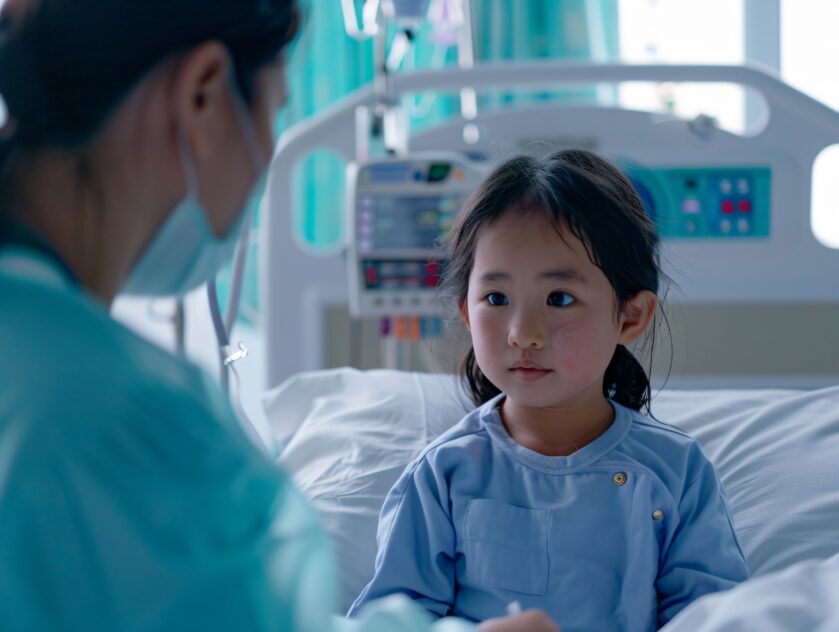
In Malaysia, certain infections are particularly common in the tropical climate settings:
- Influenza (A & B) – seasonal spikes are especially common at year-end and during school reopening.
- Respiratory Syncytial Virus (RSV) and adenovirus – Frequent cause of persistent cough and cold symptoms.
- HFMD – spreads easily in daycare settings.
- Stomach flu (gastroenteritis) – causing vomiting and diarrhoea.
- Dengue – a year-round concern due to mosquitoes.
- Chickenpox and measles – still seen, especially when vaccination coverage dips.
It can be challenging for parents to know when to be concerned because symptoms like cough, fever, and exhaustion frequently coexist.
Ordinary infection or something more serious?
According to Dr Ch’ng, most infections among healthy children are mild and self-limiting. She said if the fever lasts fewer than three days, the child stays active, and they are still able to eat and drink even with less appetite, it is likely a mild infection.
However, she cautioned parents that some symptoms should never be ignored such a fever lasting more than three days, difficulty breathing, unusual drowsiness, persistent vomiting or diarrhoea, or a rash that spreads quickly, as they may signal something more serious.
“If your child seems increasingly unwell or shows any of these signs, don’t wait. Bring them for a proper check-up. Early action can make all the difference,” she added.
Could it be an immune disorder?

Although rare, underlying immune problems can cause severe or persistent infections. “A child with immunodeficiency falls sick frequently and severely. They may require frequent hospitalisation or develop recurrent virus or fungal infections. Poor weight gain or growth can also be a clue,” Dr Ch’ng (pic) noted.
If suspected, paediatricians will conduct blood tests or refer the child to an immunologist for specialised screening. These tests are not routinely done and are only recommended when clear signs appear.
What really affects a child’s immunity?
A child’s ability to fight infections is shaped by a mix of factors, including genetics, environment, lifestyle habits and preventive measures.
Some children naturally fall sick more often due to conditions like asthma, eczema or allergies, which make their immune system more reactive. Exposure to second-hand smoke, pollution, or crowded environments can also increase the likelihood of repeated infections.
While genetics can’t be changed, parents can strengthen immunity through healthy habits such as having adequate sleep, regular exercise and outdoor play, balanced and low-sugar diet, sufficient fruits and vegetables intake, vitamin D supplementation and proper hand hygiene.
“Expensive supplements are not necessary. Most children can get what they need from a balanced diet, good sleep and healthy routines,” Dr Ch’ng emphasised.
The power of prevention
Preventive care plays a vital role in keeping children healthy. The pandemic showed how handwashing, mask-wearing, and avoiding crowds can reduce illness.
Vaccination remains one of the most powerful tools. Routine vaccines have drastically reduced diseases like measles and pertussis, while optional vaccines (rotavirus, hepatitis A, chickenpox) offer extra protection.
“Vaccines prevent severe illnesses. When coverage drops, we see outbreaks. Ensuring your child is fully vaccinated is a key part of building long-term immunity,” Dr Ch’ng explained.

Preventive healthcare also includes regular doctor’s visits. “Don’t wait for the child to fall sick before scheduling a doctor’s visit.
“Growth monitoring, vaccination and developmental screening also help ensure your child is on track with healthy growth, physical milestones and overall wellbeing,” she elaborated.
Final reassurance for parents
“Don’t feel guilty when your child falls sick. It’s part of growing up. Watch for warning signs, maintain healthy routines, and trust your instincts. Parents know their child best, if something doesn’t feel right, seek immediate medical help.
“With the right knowledge and reassurance, parents can navigate these early years with greater confidence and peace of mind.” Dr Ch’ng said. ‒ Focus Malaysia

No comments:
Post a Comment
Note: Only a member of this blog may post a comment.