


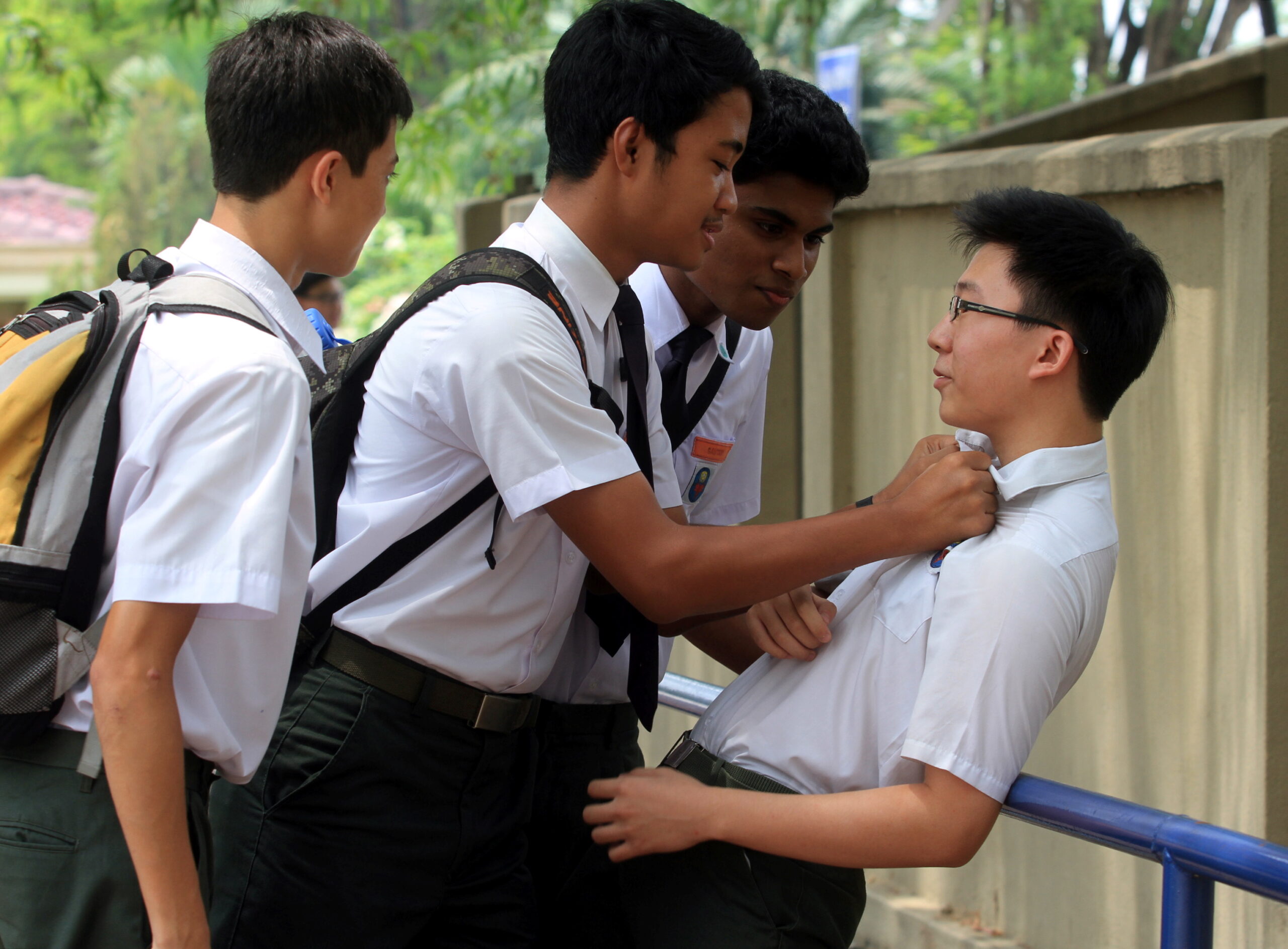
THE latest statistics on bullying and criminal misconduct in Malaysian schools should shake the nation out of complacency. Nearly 3,000 bullying cases and over 3,500 criminal incidents in a single year are not merely education problems. They are symptoms of a deeper social crisis.
The numbers coming out of our schools have been worrying, and it’s right that we’re paying attention.
But while it’s good news that more people are speaking up about bullying and misconduct, the fact that it keeps happening tells us we need to do more than just react. We need to dig deeper.
Here’s the thing—this isn’t just on our teachers or schools. This is about all of us. Parents, neighbours, community leaders, friends. If we want our kids to grow up kind and grounded, we all have a part to play.
Let’s be real about what young people are dealing with today. It’s not easy. They’re juggling exams, social media pressure, and a world that feels uncertain.
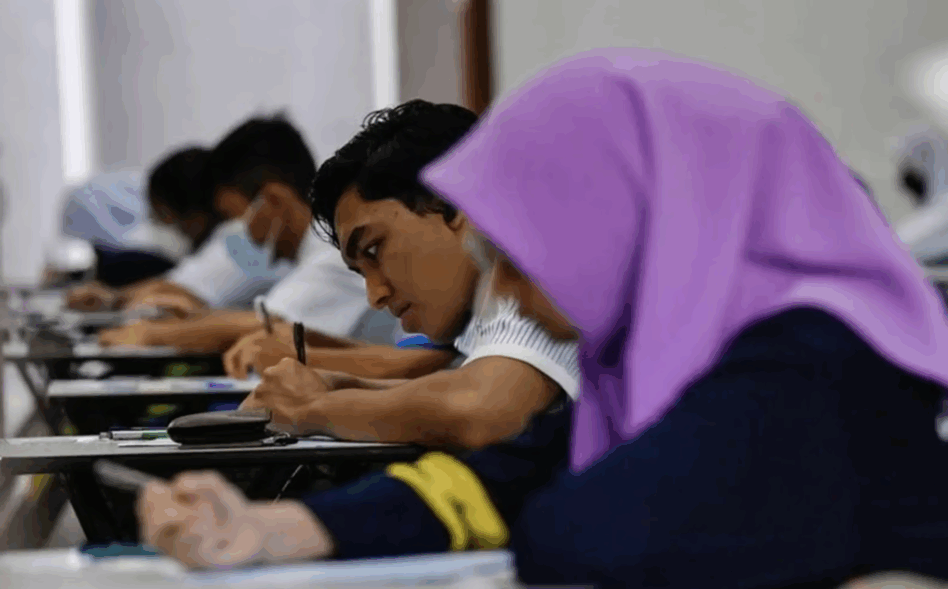
A lot of them are quietly struggling with questions like “Who am I?” and “Where do I belong?” When they don’t have the tools to handle all that, sometimes it comes out sideways—as anger, as bullying, as acting out.
So punishing bad behaviour isn’t enough. We have to get to the root of it. And that starts at home. Kids learn how to treat people by watching the adults in their lives. If we want them to be kind, they need to see kindness.
If we want them to handle conflict without hurting someone, they need to see us talk things through. Programmes that help parents navigate this stuff—how to really listen, how to discipline without tearing a kid down—can make a world of difference.
In schools, we need to make room for more than just academics. Yes, grades matter. But so does learning how to understand your own feelings, how to step in when someone’s being hurt, how to sit with someone who’s different from you and find common ground.
When kids work together on projects that actually help people, they start to feel like they matter. And that feeling changes everything.
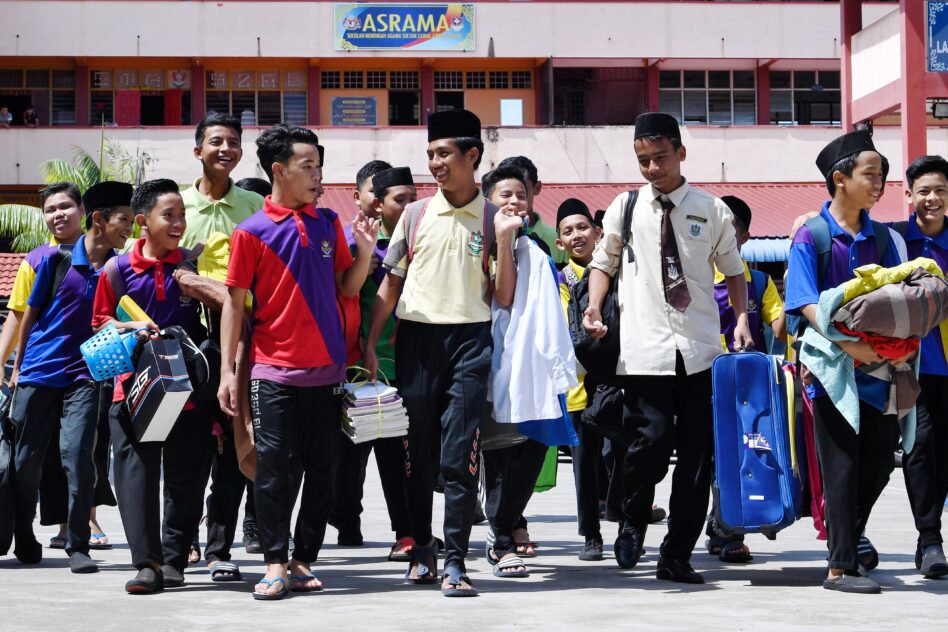
One thing we have going for us in Malaysia is our diversity. It’s not always easy, but it’s a gift. When kids from different backgrounds learn side by side, when they share meals and stories, they start to see each other as human beings, not stereotypes. That’s where real respect grows.
There’s a saying from the Bahá’í writings that every person is like a mine rich in gems. Education is what brings those gems to light. Every child has something beautiful inside them—kindness, creativity, courage. Our job is to help them find it.
Another one that sticks with me is about widening our vision, not just focusing on ourselves. When young people learn to care about something bigger than their own world, it’s harder for them to hurt someone else. They start to see we’re all in this together.
And honestly, we should be listening more to young people themselves. They have ideas. They know what’s going on in their schools and among their friends. Peer support groups, student-led conversations, safe spaces to talk—these things work because they come from a place of trust, not authority.
We also can’t ignore mental health. A lot of acting out is really just pain wearing a different face. If we have more counsellors, more trusted adults, more people who notice when a kid seems off, we can step in before things spiral.
And in a world where so much happens online, we need to teach kids how to be human there too—how to disagree without tearing someone down, how to spot when something’s not real, how to protect their own peace.
This isn’t a quick fix. It’s a long game. But here’s the hopeful part: there are already so many young Malaysians doing good things. Volunteering, reaching across differences, standing up for each other. They’re not waiting for permission to make things better. They’re already showing us what’s possible.
If we can come alongside them—as parents, as teachers, as a community—we’re not just lowering numbers on a report. We’re raising a generation of kids who know how to be human. And that’s the kind of Malaysia worth building.
KT Maran is a Focus Malaysia viewer.
The views expressed are solely of the author and do not necessarily reflect those of
- Focus Malaysia.

No comments:
Post a Comment
Note: Only a member of this blog may post a comment.