



YOU wait all day for that first bite. The aroma of freshly-prepared kuih, rich gravies, and sweet drinks fills the table. After hours of fasting, it is tempting to indulge. But by midnight, you are bloated, uncomfortable, or struggling with heartburn again.
For many, Ramadan is a time of spiritual renewal, and an opportunity to embrace a more mindful, balanced approach to physical well-being. However, some may experience digestive discomfort.
Acid reflux, bloating, constipation and fatigue can sometimes occur during the fasting month because of their dietary choices between iftar and sahur.
Dr Sheikh Anwar Abdullah, Consultant Gastroenterologist and Hepatologist at Sunway Medical Centre, Sunway City, encourages those observing the fast to approach Ramadan as an opportunity to reset their gut health rather than strain it.
“The digestive system experiences a period of rest when people choose to fast. The body produces less acid and experiences decreased inflammatory triggers which lead to improved gut health,” he explained.
“But we often undo those benefits by overeating at iftar or neglecting hydration and fibre.”
Why digestive issues spike during Ramadan

Research supports what many experience firsthand. A study found an increase in gastrointestinal complaints such as bloating, acid reflux, and constipation during Ramadan.
The reasons are familiar: heavy meals, oily and spicy food, dehydration, and long gaps between eating.
“The biggest culprits are usually overeating at iftar, consuming deep-fried or spicy foods, not drinking enough water, and skipping fibre. Another contributing factor is reduced physical activity,” Dr Sheikh Anwar said.
“With altered sleep patterns and lower energy levels, many people move less during Ramadan, which slows digestion and worsens constipation.”
Start with sahur to combat digestive issues
Skipping sahur or opting for fast food may seem convenient, but it often backfires. Dr Sheikh Anwar advises a balanced, slow-digesting sahur that sustains energy and protects the gut.
“The ideal sahur includes complex carbohydrates like oats or brown rice, protein from eggs, fish, or tofu, and water-rich fruits such as watermelon or cucumber.
“Yogurt can also benefit gut health due to its probiotics, provided you do not have lactose intolerance. The major thing to avoid during sahur is spicy, greasy food that irritate the stomach lining and increase the risk of reflux later in the day,” he says.
At iftar, Dr Sheikh Anwar recommends easing the stomach back into digestion. Sugary drinks, excessive fried food, and salty dishes may feel satisfying in the moment but often lead to bloating and indigestion.
“Start with water and a few dates, then pause perhaps for Maghrib prayers before eating a proper meal. Eat slowly. A balanced plate with complex carbs, lean protein, and some healthy fats is ideal,” he advised.

Late-night eating is another common issue. Moreh, the post-tarawih supper often shared among family and friends, is a cherished Ramadan tradition in Malaysia should also be done moderately.
“Keep it light during moreh. Try to leave two to three hours between your last meal and bedtime to reduce acid reflux or further digestive issues,” he added.
Hydration is non-negotiable
Constipation is one of the most frequent Ramadan complaints, often caused by inadequate fluid intake. Global health guidance shows many people consume less than their daily water intake needs during fasting month.
Proper hydration not only supports digestion but also helps prevent headaches and fatigue.
“Aim for at least 2 to 2.5 litres of water between iftar and sahur. Sip regularly instead of drinking large amounts at once. Include water-rich fruits, and avoid too much caffeine, which can worsen dehydration,” Dr Sheikh Anwar continued.
While fasting is safe for most healthy adults, a study shows that fasting may aggravate preexisting gastrointestinal conditions.
For those managing conditions such as ulcerative colitis, duodenal ulcers, upper GI bleeding, and moderate-to-severe liver cirrhosis, could have a higher risk of developing flares and complications associated with fasting and require careful monitoring and guidance from healthcare professionals.
“If you are on gastric medication, take it about 30 minutes before sahur for maximum effect. If you develop persistent abdominal pain, vomiting, diarrhoea, or see blood in your stool, please do not feel pressured to continue your fast and seek medical attention,” Dr Sheikh Anwar advised.
Fibre could be the missing piece to healthier Ramadan
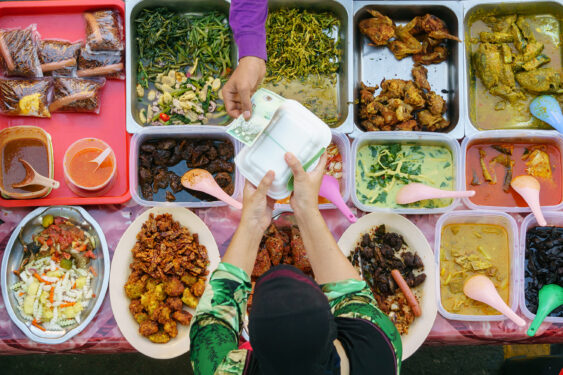
According to the National Health and Morbidity Survey (NHMS) 2024, only 17% of Malaysian adults and 13% of adolescents meet the recommended daily intake of fruits.
While just 12% of adults and 5% of adolescents get enough vegetables, the rest are well below the recommended daily fibre intake. During Ramadan, this shortfall can worsen constipation and bloating.
“Fibre is essential for bowel regularity. It can also lower cholesterol, stabilises blood sugar, and keeps you full longer. Increase it gradually through fruits, vegetables, legumes, and whole grains to avoid gas and discomfort,” said Dr Sheikh Anwar.
Ramadan does not have to be a temporary reset. Dr Sheikh Anwar encourages Malaysians to maintain healthier routines even after the fasting month ends.
“Continue eating mindfully, staying hydrated, and spacing out meals. Older adults especially should ensure enough protein and fibre to maintain muscle strength and digestive health,” he remarked.
“Fasting and health go hand-in-hand. Eat in moderation, hydrate well, and listen to your body. If something feels off, do not push through the pain and immediately get it checked.” ‒ Focus Malaysia

No comments:
Post a Comment
Note: Only a member of this blog may post a comment.