


Throughout 2024, Philippine President Ferdinand Marcos Jr made variations of a similar pitch: that in a world of two superpowers trying to one-up each other, middle powers should come together against common threats to make sure they’re the “main characters in our collective story”.
Marcos’ aspirations will have to come into practice in 2026, with the Philippines acting as Asean chair.
Manila has introduced “three Ps” as its priorities - “Peace and Security Anchors, Prosperity Corridors, and People Empowerment.”
The archipelagic nation’s aspirations are painted all over Asean 2026’s visual branding. Its logo is that of a balangay, a pre-colonial boat used to travel across the archipelago that would eventually constitute the Philippines.
The mighty balangay was also once used to traverse the open sea and trade in faraway islands and coasts long before modern-day borders were drawn up.

The Asean chairship’s theme is not subtle either: “Navigating our future, together.”
With the abundance of maritime references, one wonders: what kind of rough waters will Marcos and the Philippines need to steer the bloc through?
Security takes spotlight
The Philippines kicked off its chairmanship in Cebu province, home to over 5.2 million people.
As the most vote-rich province in the country with a long history of pre-colonial and modern-day trade, Cebu is a hub of both political power and trade.
The gathering of Asean’s foreign ministers is the first high-level meeting in the Philippines’ chairmanship and the first major meeting under the Asean Political-Security Community.
Philippines Foreign Affairs Department officials had laid out priority discussions for the Asean Foreign Ministers Meeting (AMM) - the implementation of the five-point consensus on Myanmar, border tensions between Thailand and Cambodia, and tensions and disputes in the South China Sea.
Philippine Foreign Affairs Secretary and AMM chair Maria Theresa Lazaro said in a press statement that the global environment Asean faces “is marked by overlapping pressures, including intensifying geopolitical competition, growing economic uncertainty, and the erosion of multilateral systems and the rules-based order through unilateral actions.”
In other words, the world Asean exists in is in flux.
As China deepens its influence in the bloc and beyond, the United States has become more brazen in flouting rules that middle powers try to uphold.
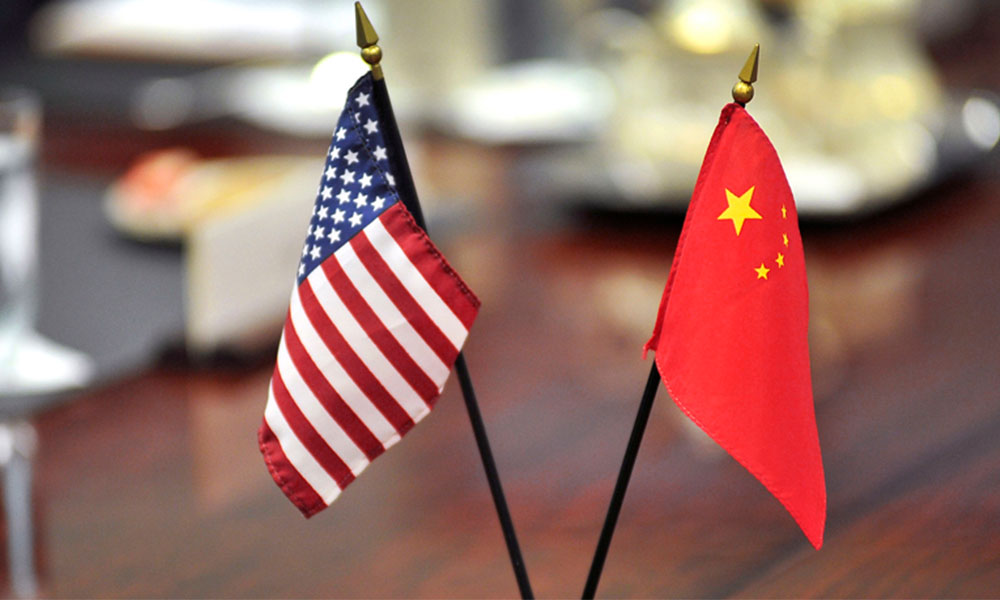
Lazaro added: “Taken together, these realities underscore the enduring importance of Asean’s time-honoured principles of restraint, dialogue, and adherence to international law in seeking to preserve peace and stability for our peoples.”
After the retreat on Jan 29 that took over four hours and a Jan 28 huddle on the five-point consensus, Asean could not yet make a stand on the elections in Myanmar, days after the third voting round in the junta-ruled country concluded.
Lazaro said the bloc wants a solution that is “both Myanmar-owned and Myanmar-led, while reaffirming that Myanmar remains an integral part of Asean”.
Hope in a code of conduct?
Among Manila’s loftier aspirations is the elusive conclusion of the Code of Conduct (COC) for the South China Sea between Asean and China.
2026 is the deadline foreign ministers set in 2023 for the conclusion of rules that the bloc and China would follow to avoid clashes, lower tensions, and bring stability to the key waterway.
Negotiations have stretched for two decades, since the Declaration on the Conduct of Parties in the South China Sea (DOC) was signed in 2002.

Its pace has been exceedingly slow, with the first breakthrough being a Single Draft Negotiating Text agreed upon in 2018, or 16 years after the DOC.
It was not until 2025 that negotiators began deliberating on milestone issues, or the most contentious points in talks.
Manila wants an even faster pace in 2026.
Lazaro said face-to-face meetings between Asean and China on the COC are set to happen monthly.
Diplomats say there’s a willingness to hold even online meetings to hasten progress in negotiations. But meeting frequency does not always ensure that difficult topics will be resolved faster.
The four milestone issues include the scope of the COC, definitions including self-restraint and rules covering joint military drills, the new text’s relation to the DOC, and whether it will be legally binding.
Lazaro disclosed a focus of the Philippines: the definition of self-restraint and the “possible terms of reference of that issue.”
Consensus is a core principle that has helped maintain Asean cohesion while making it difficult for the bloc to make bold declarations.
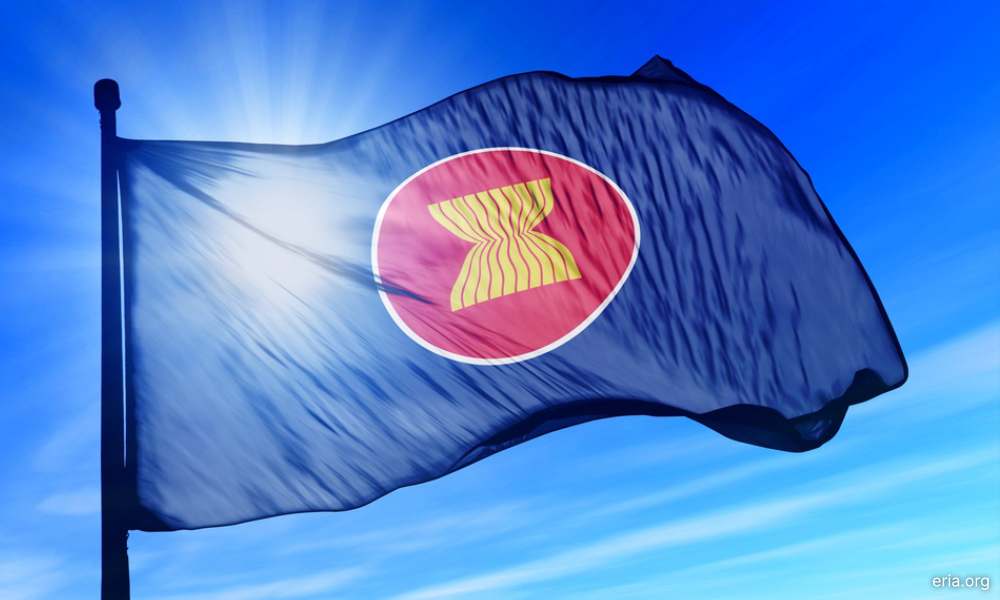
Asean members are diverse in how they view South China Sea issues and their relationships with China. Differing national interests explain, in part, why negotiating a COC in a consensus-based bloc has been so difficult.
While the South China Sea is a constant talking point in Asean, rarely is a consensus found in these discussions.
The stakes for the Philippines are especially high. China’s sweeping claim in the South China Sea has translated into restrictions on, and harassment of, Filipino fisherfolk in some fishing areas.
For local communities that are among the poorest in the country, this means fishing in less abundant waters or venturing further into the open sea.
For Philippine government vessels, it has meant repeatedly facing dangerous acts by the China Coast Guard - like strong water cannons while at sea - to drive them away from waters Beijing considers its territory.
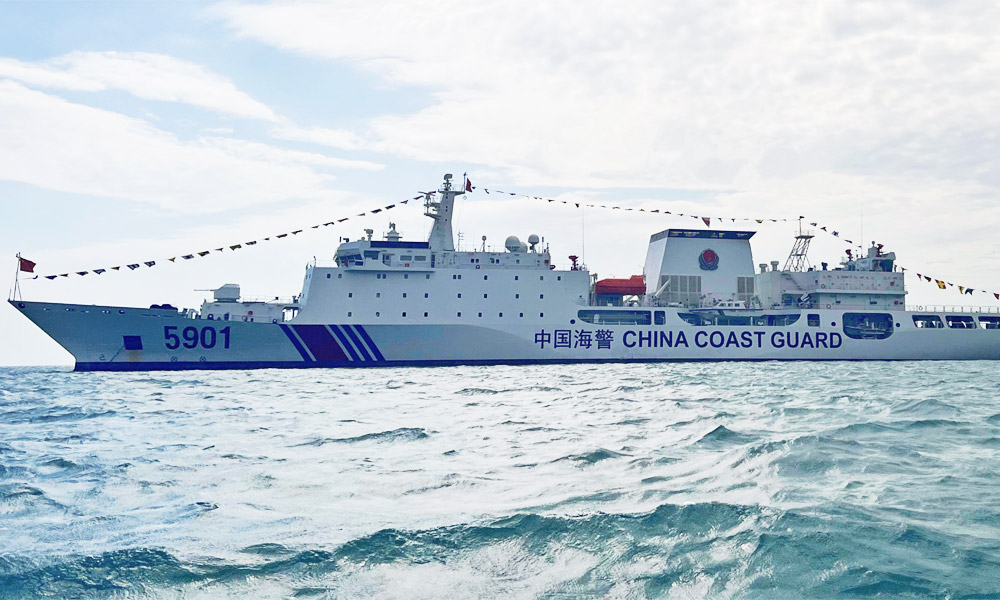
Asean and its member states have been noticeably quiet in the face of clashes between Manila and Beijing in the West Philippine Sea - a portion of the South China Sea that includes the Philippines’ exclusive economic zone and its claimed features.
President Marcos has repeatedly raised the South China Sea issues in Asean summits.
In 2024 at Vientiane, Marcos urged the bloc “not to turn a blind eye to the aggressive, coercive, and illegal actions of an external power against an Asean member state, for such actions undermine their claims of genuine adherence to our core values.”
Marcos warned that “silence in the face of these violations diminishes Asean”.
According to Nikkei reporting, co-claimants “Vietnam, Singapore, and Thailand followed Marcos’ lead and brought up their South China Sea concerns” at the Asean-China Summit, where geopolitical issues are typically not raised.
Will Marcos and the Philippines be as bold in 2026? After all, in 2024, Marcos said the “onus is now on China” to hasten talks since “Asean has been waiting for a long time.”
Challenge at home
As the Philippines plans and hosts 650 or so meetings across the year, including the 48th and 49th Summits, Marcos must also deal with an existential crisis at home.

The flood control corruption scandal has caused his trust and approval numbers to plunge, with over two years still left in his presidency.
There’s concern in the bureaucracy and diplomatic circles that the resulting mess could suck oxygen from domestic governance and squander the opportunities an Asean chairmanship offers.
The week before Cebu hosted the AMM and the Asean Tourism Forum (ATF), impeachment cases were filed against Marcos.
The same week, he announced a diverticulitis diagnosis, which meant he had to cut down on public engagements, including the ATF kickoff.
If 2025 was rough seas for Marcos as president and politician, 2026 has early indications of even stormier conditions.
Can Marcos and the Philippines effectively steer and navigate the bloc’s future in one piece? - Mkini
This article is the third in a four-part series by Southeast Asian newsrooms exploring key issues faced Asean as the Philippines takesover the Asean chair for 2026.

No comments:
Post a Comment
Note: Only a member of this blog may post a comment.