


In local politics, few announcements generate more heat than a ruling party declaring it will “let the party decide” whether to stay in government.
It is purely to excite the party grassroots and keeping them trapped or at bay in case they act silly. A special congress. An annual general meeting (AGM). A promise of internal democracy.
For supporters, it signals principle. For critics, it hints at rebellion. For political veterans, it signals something else entirely - controlled drama. Political and theatrical. Insincerity and dishonesty!
When DAP announced a special congress to decide whether to remain in the Madani government, it sounds momentous. Yet this script is not new.
MCA also ran the same play when its president, Wee Ka Siong, declared that the party AGM would decide MCA’s future in BN and the coalition government.
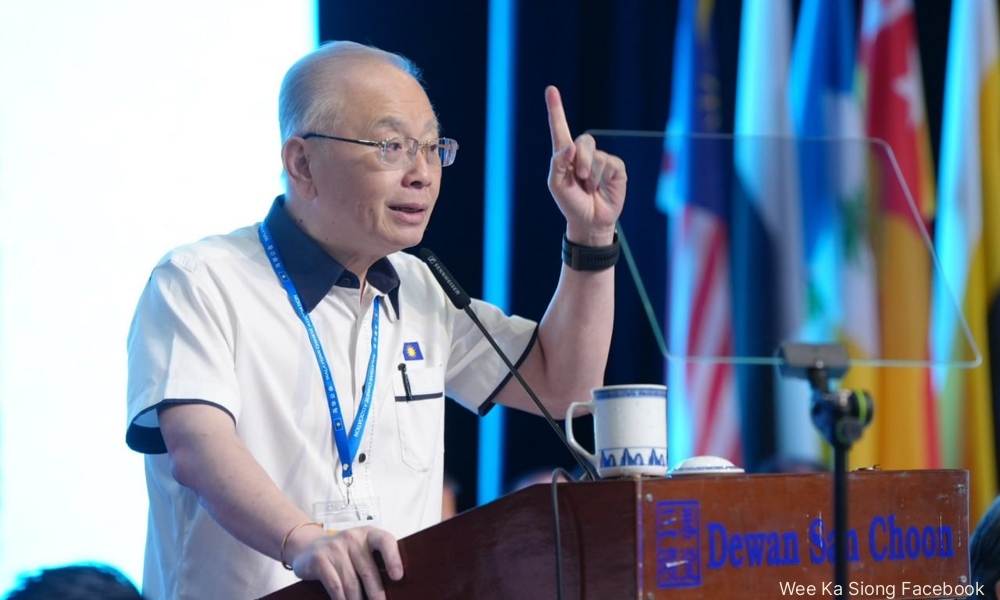
In both cases, the cycle was familiar: intense media hype, emotional grassroots mobilisation, and solemn invocations of party democracy - followed by a quiet decision to stay put.
The reason is simple. Leaving government is easy to threaten but the political reality is brutally hard to execute.
Power is rarely surrendered
Once a party is in government - holding cabinet posts, influencing appointments, shaping budgets, and accessing state-linked institutions, the alternative, the cost of returning to opposition becomes painful and clear.
Opposition offers moral clarity but little leverage. No resources. No policy control. No guarantee of political survival.
Both DAP and MCA understand this reality. Their leaderships may speak different languages, but they operate under the same constraints. The same mechanism and ecosystem. Remaining in government preserves relevance. Leaving risks irrelevance.
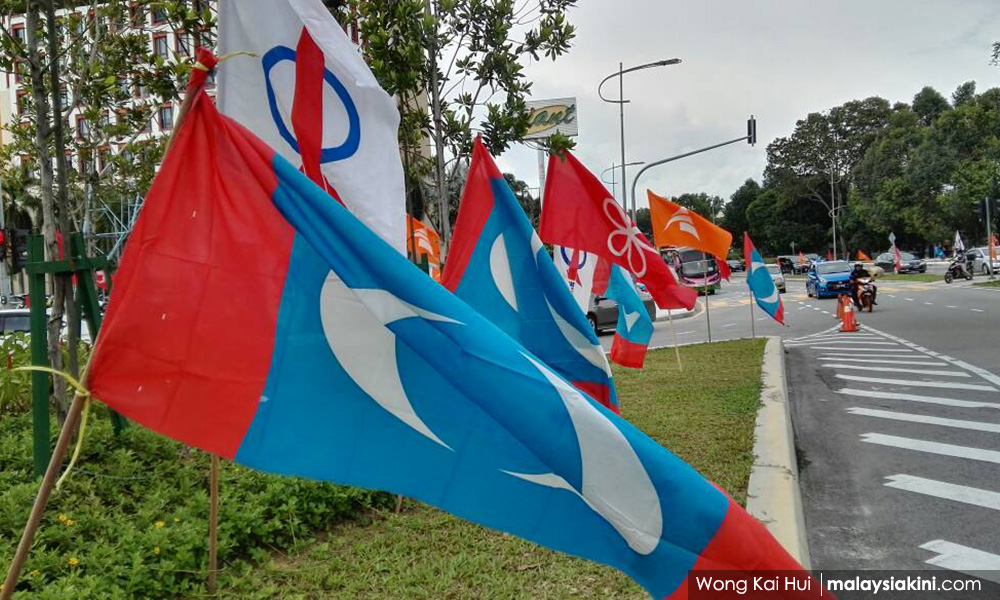
This is why most “stay or leave” votes are not genuine cliff-edge moments. By the time they are announced, leaders already know the numbers, risks, and the likely outcome.
The vote becomes a managed consensus, designed to release internal pressure rather than overturn strategic direction.
Different styles, same instincts
The contrast between DAP secretary-general Anthony Loke and Wee is one of tone, not instinct.
Loke presents himself as the steady administrator. He frames continued participation in government as a duty, to protect reforms, ensure stability, and avoid chaos.
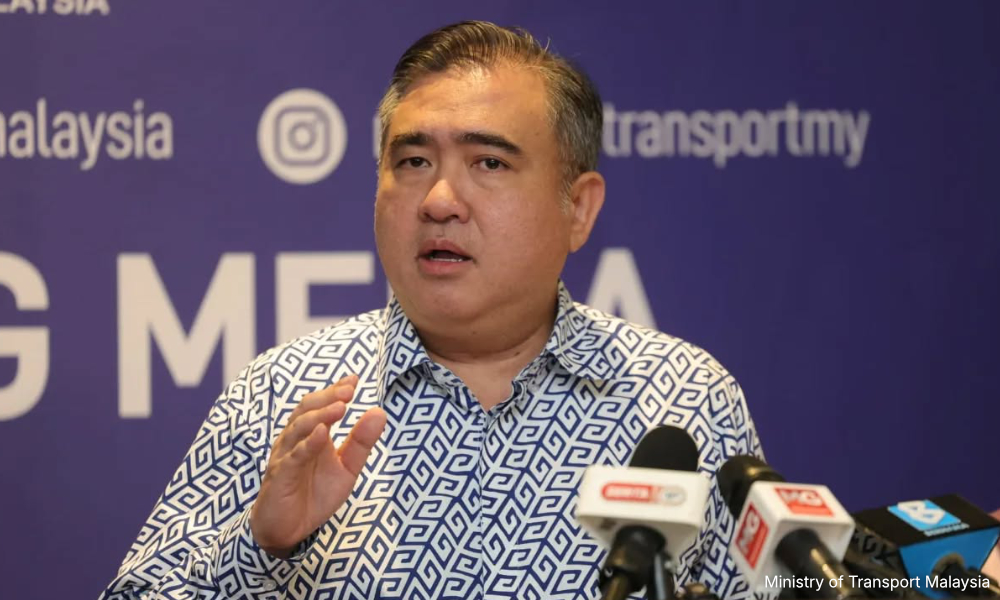
His unspoken calculation is clear: DAP cannot afford to be blamed for collapsing the government or empowering its rivals.
Wee, on the other hand, speaks the language of dignity and party survival. His AGM theatrics were aimed at calming an MCA base that felt marginalised within BN.
Yet the outcome was equally constrained. For MCA, leaving BN would not have been a protest; it would have been political self-harm.
Different narratives, same conclusion: complain loudly, stay aboard.
The Madani constraint
Exiting the Madani government is not a neutral act. If ever it happens, it is an act. It happened in the recent Sabah state election.
A minister announced his resignation from the cabinet on Nov 8, over what he said was "disregard" by the Attorney General's Chambers (AGC) for Sabah's constitutional right to 40 percent of federal revenue derived from the state.
Ewon Benedick, who was then the entrepreneur and cooperatives development minister, disagreed with the AGC's stance and that it would not be right for him to remain in the cabinet while holding an opposing view.

After the election, he returned as the deputy chief minister with the same political partners he had prior to his resignation. Is this a political strategy of dispersal and reunification after the election?
Will DAP do an “Ewon” too? Quit for the coming general election and return thereafter with Umno. The nationalist party is one that everyone pretends to hate but needs. That’s the uncomfortable truth.
For DAP, the stakes are even higher. The party has spent decades being framed as a perpetual opposition force. Participation in federal power marked a psychological breakthrough. Walking away, even temporarily, risks reopening that old label.
This is why the real question at such congresses is rarely “should we leave?” The more pressing question is: “How do we justify staying without looking weak?”
Optics over outcomes
These announcements are best understood as exercises in political messaging rather than decision-making.
They serve several functions at once: venting grassroots anger, reminding coalition partners not to take loyalty for granted, reaffirming leadership authority, and reassuring voters that principles have not been abandoned.
The ending is usually predictable - a vaguely worded resolution, a mandate granted to leadership, and continued participation in government. Everyone claims victory. No one jumps.
Voters, by and large, respond to moments rather than mechanisms. Few tracks procedural details or remember post-election compromises with precision. Narratives of signals of defiance, sacrifice, standing up carry more weight and optics.
This creates space for tactical repositioning. A party can distance itself rhetorically, flirt with exit, even stage a temporary withdrawal - and still return to government later under the banner of responsibility or national interest.
By then, the emotional reset has already done its work.
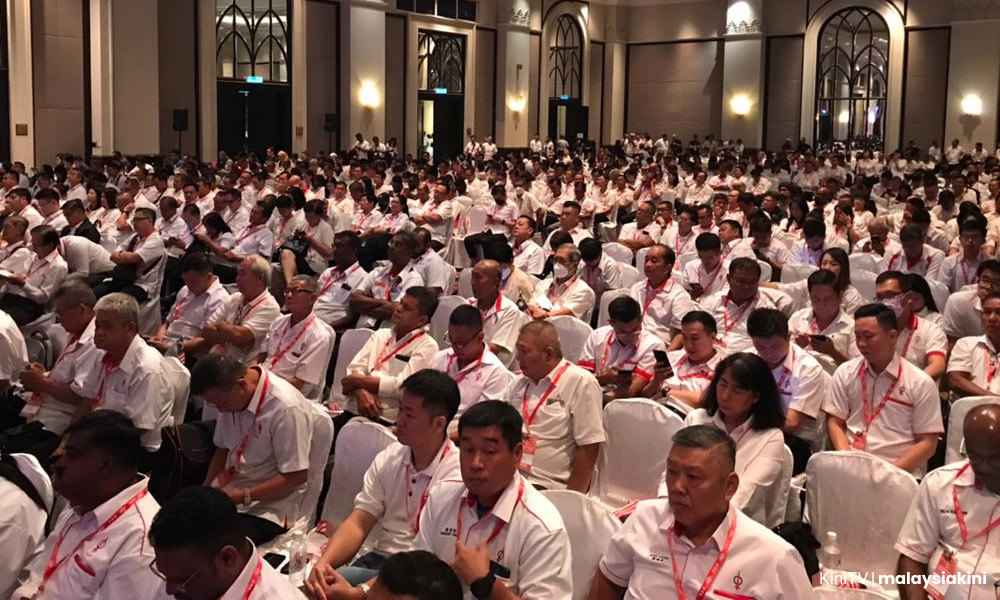
This was done by DAP with PAS when they suffered heavy losses in the 1999 elections. DAP giants like Karpal Singh lost the Jelutong parliamentary seat he had held for 21 years, and DAP veteran Lim Kit Siang was also defeated.
The DAP had then joined Barisan Alternatif, an opposition alliance with then-Parti Keadilan Nasional and PAS.
Subsequently, they split (but still working together silently) and re-emerged to form state governments in Selangor, Perak and Penang in 2008.
Theatre, not revolt
There is no need to moralise this behaviour. It is not unique to any one party. It is the logic of coalition survival in a fragmented political system.
MCA’s AGM drama fizzled because leaving government would have been fatal. DAP’s special congress is likely to follow the same trajectory.
Loke and Wee are not ideological crusaders; they are both experienced and opportunistic political survivors.
What is sold as democratic drama is, more often than not, elite management of optics. The revolution is postponed. The coalition endures. And the audience, more often than not, applauds anyway. - Mkini
TI LIAN KER is a former MCA vice president and former deputy unity minister.
The views expressed here are those of the author/contributor and do not necessarily represent the views of MMKtT.

No comments:
Post a Comment
Note: Only a member of this blog may post a comment.