


Civil society groups have escalated pressure on Prime Minister Anwar Ibrahim to launch an independent inquiry into MACC chief commissioner Azam Baki.
In a joint statement today, they warned that the government’s limited internal probe risks undermining public confidence in anti-corruption institutions.
A total of 48 organisations and six individuals said the probe should examine claims of abuse of power, unexplained wealth, and alleged corporate coercion linked to the MACC.
They stressed that the investigation must be independent and transparent, involve stakeholders representing various segments of society, and make its findings public due to the matter’s significant public interest.
They also criticised the cabinet’s Feb 13 decision to limit investigations to an executive-level ad hoc committee and to focus only on Azam’s (above) shareholdings in publicly listed companies.
“The decision reflects weak consideration and fails to acknowledge the seriousness of the allegations,” said the group, which included Bersih, G25 Malaysia, Mandiri, and SIS Forum.
Attorney-General (AG) Dusuki Mokhtar is heading the three-member committee, while the other two members are Public Service Department director-general Wan Ahmad Dahlan Abdul Aziz and Treasury secretary Johan Mahmood Merican.
Azam previously said he would give full cooperation to the committee, adding that he had requested an investigation.
Concerns over AG-led investigation
However, the groups today echoed concerns about Dusuki’s role, noting his previous involvement in withdrawing corruption charges against Deputy Prime Minister Ahmad Zahid Hamidi.
According to the groups, the investigation risks ending with a “no further action” outcome.
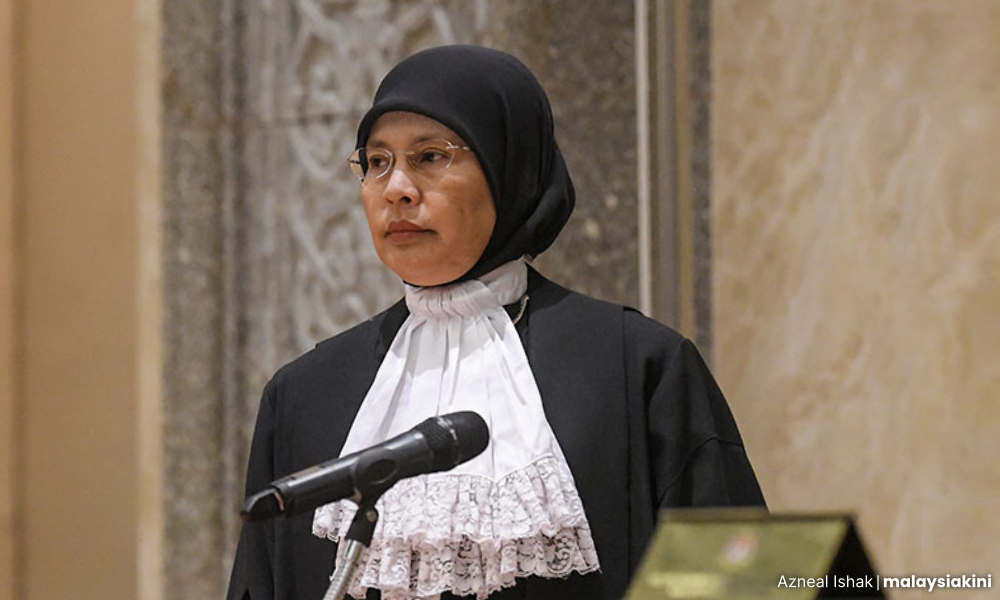
Further, the groups outlined four immediate measures, starting with a new independent panel chaired by former chief justice Tengku Maimun Tuan Mat or by other similarly respected figures.
Second, they urged Azam to go on leave while an independent investigation is conducted.
Third, the groups proposed a comprehensive MACC reform roadmap through a Dewan Rakyat select committee inquiry to be completed before Dec 31, 2026.
This should include a parliamentary oversight mechanism to appoint the MACC chief commissioner, as well as measures to ensure accountability to Parliament, they said.
Fourth, they called for firm commitments from the government to separate the roles of the AG and public prosecutor, with appointments subject to parliamentary scrutiny and safeguards to ensure transparency and accountability.
Push for MACC and AG reforms
The groups said parties within the Madani government must clarify their stance on institutional reforms and explain their support for a purportedly limited investigation framework.
“As a matter of public accountability, every coalition and party within the government must clearly state their position on these reforms or provide justification for why they agreed to the narrow scope of the investigation into Azam under a committee chaired by the attorney-general.
“Parties within the government, particularly Pakatan Harapan, are not only aware of weaknesses in the institutional design of the MACC, but also pledged to reform the agency to address those shortcomings,” they said.

Drawing parallels with past scandals, they said recent allegations reported by international media represented an opportunity for meaningful institutional reform.
Further, the groups said Malaysia’s anti-corruption framework differs from many countries, as the MACC chief commissioner is effectively appointed by the prime minister, creating a risk of political influence.
Looking forward, they warned that proposals to separate the AG and public prosecutor roles must include safeguards to prevent excessive concentration of power in unelected officials.
Civil society groups and experts, they added, have proposed that the public prosecutor be appointed without executive involvement but remain accountable to Parliament.
Failure to implement meaningful reforms could further erode public trust in the rule of law and public institutions, they said.
“The issue transcends political lines,” the groups added, warning that public anger over corruption and perceived double standards in law enforcement could unite voters across the political spectrum.
Minister in the Prime Minister’s Department (Law and Institutional Reform) Azalina Othman Said confirmed earlier today that the bills on the separation of the roles of the AG and public prosecutor, and capping the prime minister’s term of office, will be tabled for their first readings in the Dewan Rakyat this Monday. - Mkini

No comments:
Post a Comment
Note: Only a member of this blog may post a comment.