


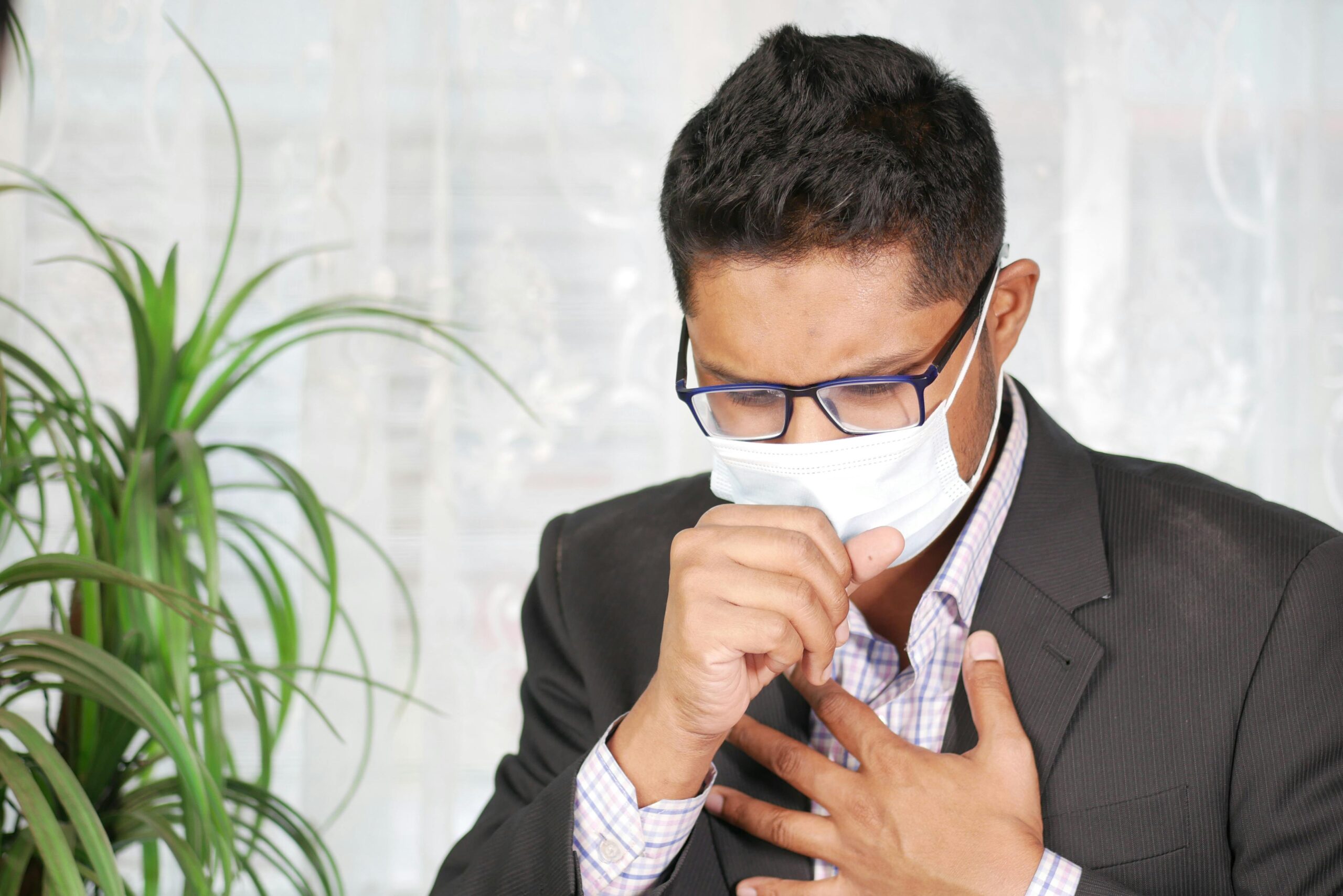
TUBERCULOSIS (TB), often assumed to be a disease confined to history, has re-entered Malaysia’s headlines with 503 newly reported cases. Behind each statistic lies a story: families at risk, workplaces disrupted, and communities exposed.
TB spreads quietly, passing from person to person in homes and offices, often unnoticed until symptoms become impossible to ignore. History reminds us that TB is not merely a medical issue; it is also a social one.
As a historian specialising in Malaysia’s medical history during the British administration (1826–1957), I have spent many years studying how societies respond to infectious diseases.
My doctoral research, “A Medical History of Penang: Infectious Diseases, Prevention and Treatment (1918–1957)”, explored a period when TB shaped public policy and everyday life in lasting ways. Many lessons from that era remain strikingly relevant today.
In the 1920s, TB was among Malaya’s deadliest infectious diseases. Overcrowded homes, poor ventilation, inadequate sanitation, and widespread malnutrition made its spread almost inevitable.
It was not merely a medical threat; it destabilised families, burdened the workforce, and disproportionately affected those living in poverty.
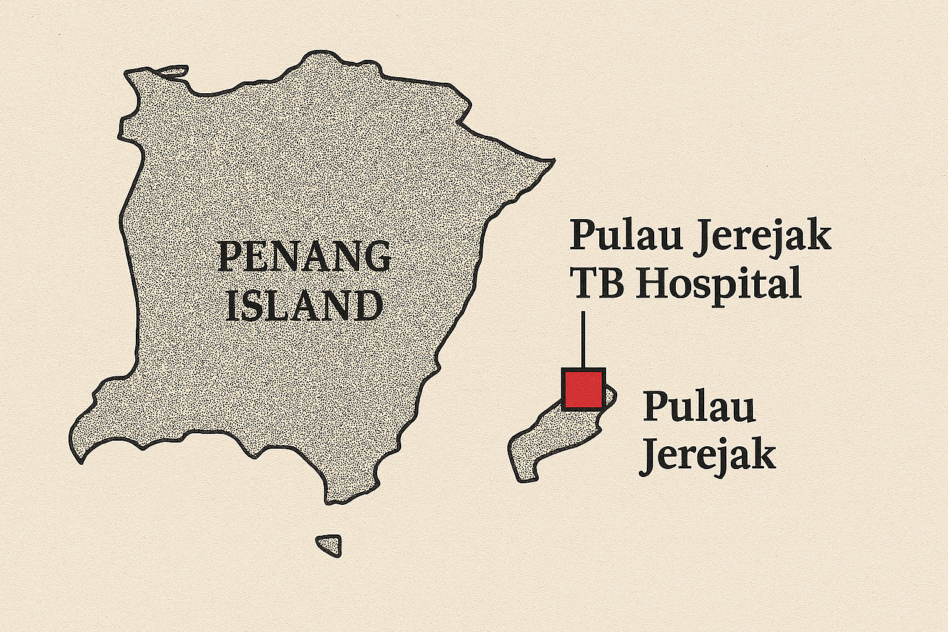
One of the most visible colonial responses was the creation of dedicated isolation facilities. In the 1930s, a hospital was built on Pulau Jerejak specifically to quarantine and treat TB patients.
The Pulau Jerejak TB Hospital reflected the public health strategies of its time, prioritising isolation, prolonged rest, and carefully supervised medical care.
Scientific progress brought hope. Robert Koch’s landmark 1882 discovery of Mycobacterium tuberculosis identified the organism responsible for the disease, and by 1908 Penang had acquired X-ray equipment that allowed earlier detection.
Yet colonial medical records make one point clear: technology alone was never enough. Meaningful progress required coordinated public health systems.
The establishment of the Tuberculosis Advisory Board in 1947 marked a turning point, driving screening initiatives, expanding BCG vaccination, promoting hygiene education, and launching public awareness campaigns through schools, clinics, newspapers, and Radio Malaya.
Civil society also contributed decisively. Organisations such as the Malayan Association for the Prevention of Tuberculosis and the Women’s Service League raised funds, built healthcare facilities, and provided material support for affected families.
Volunteers travelled from house to house offering guidance, encouraging adherence to treatment, and ensuring that illness did not inevitably lead to destitution.
Malaysia in 2026 is far better prepared and technologically equipped than it was a century ago. Yet history reminds us that technology alone is insufficient.
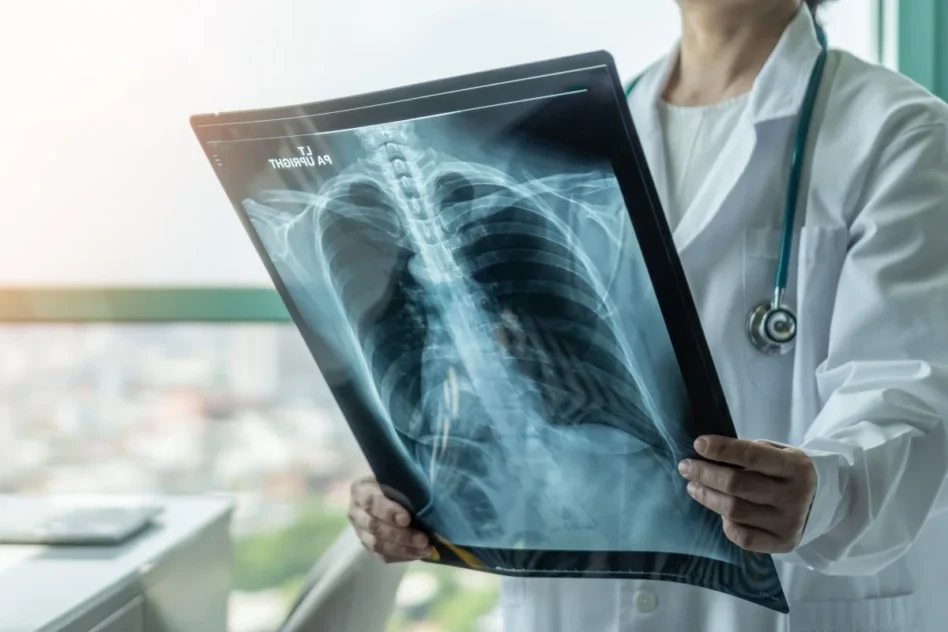
Rapid diagnostics, digital treatment, monitoring tools, and improved vaccines offer advantages our predecessors could scarcely imagine, but they work best when supported by strong public health systems and active community engagement.
If tuberculosis is speaking again today through rising case numbers and renewed public concern, our history offers a clear response. Fear is unnecessary, but complacency is risky.
Earlier decades show that TB control is most effective when medical care, social support, and government policy operate together. Early screening, reliable treatment, improved living conditions, and efforts to reduce stigma must remain central to Malaysia’s approach.
For policymakers, the Health Ministry (KKM), healthcare professionals, and civil society organisations, the way forward is already well mapped.
By pairing modern innovation with lessons from Malaysia’s own public health history, we can strengthen our defences, protect vulnerable communities, and prevent TB from regaining the foothold it once held. ‒ Feb 19, 2026 at Heriot-Watt University Malaysia.
The views expressed are solely of the author and do not necessarily reflect those of MMKtT.
- Focus Malaysia.

No comments:
Post a Comment
Note: Only a member of this blog may post a comment.