


Just outside Kuala Lumpur, in Kepong, there lies a forest park quite unlike any other within easy reach of city folk dying for access to some semblance of Malaysia's oldest forests in the world, dating back some 130 million years - older than the Amazon.
Unfortunately, the majority of that park, administered by one of the world’s renowned tropical forest research bodies, the Forest Research Institute of Malaysia (Frim), has not been readily accessible to the public since the bad old days of Covid-19 in 2020.
Out of the 545ha of the park area, only about 80ha of pretty but domesticated parkland with a lake and ponds is really open to the public, unlike previously, when all of it was, in return for a small payment of an entry fee.
The remaining wild but restored 465ha or so of forest park containing trees as old as 100 years, once easily accessible, is now sheltered behind officialdom, bureaucratic procedures and high entry costs, making access difficult for most people.
More’s the pity because the forest park was declared a Unesco World Heritage Site just last year in recognition for transforming what was once mining areas and farmland back into a living, breathing forest. It’s only the sixth world heritage site in Malaysia and the only one in Selangor.
It was a transformation 100 years in the making when former mining and vegetable farming land was allocated in 1926 for forestry research and development. The regeneration of the area happened through the hard and sustained effort of many, both British and Malaysian.
The park remained pretty much open to the public with few restrictions for most of the period, with successive forestry heads recognising the need for public access to both enjoy its pristine beauty and be educated about environmental sustainability.
Having been there many times before it was closed during Covid-19, I can say it has a true forest feel, which is more authentic than any I have been to in and around Kuala Lumpur, partly because of its old trees and generally good upkeep.
The nearest alternative is the famed Taman Negara or National Park, which is huge at 4,300 sq km, to get that true forest feel. It is a gruelling four hours away by road to Kuala Tahan in Pahang, but if you get there, it is easily accessible to the public with an entry fee of a mere RM1.
That used to be the case for the Frim forest park too, an RM1 entry per person and a parking charge of RM5 if you wanted to park the car inside. And it was hugely popular during the weekends when nature-starved city dwellers flocked through its gates to enjoy the park and the surroundings.
It was closed to the public from 2020 with the onset of that dreaded disease. Strangely and inexplicably, the easy access to the park that previously prevailed and to trails and trees nearing 100 years of age, waterfalls and streams and some challenging hikes were never restored.
Kepong Botanical Gardens
In the meantime, there was a poor, if nice alternative, in the misnamed Kepong Botanical Gardens or KPG of 80ha, which had manicured lawns, planted trees (not nearly as old mostly) and an excellent canopy walkway with panoramic views of the surroundings and the city skyline. Access was easy and just RM1 per person.
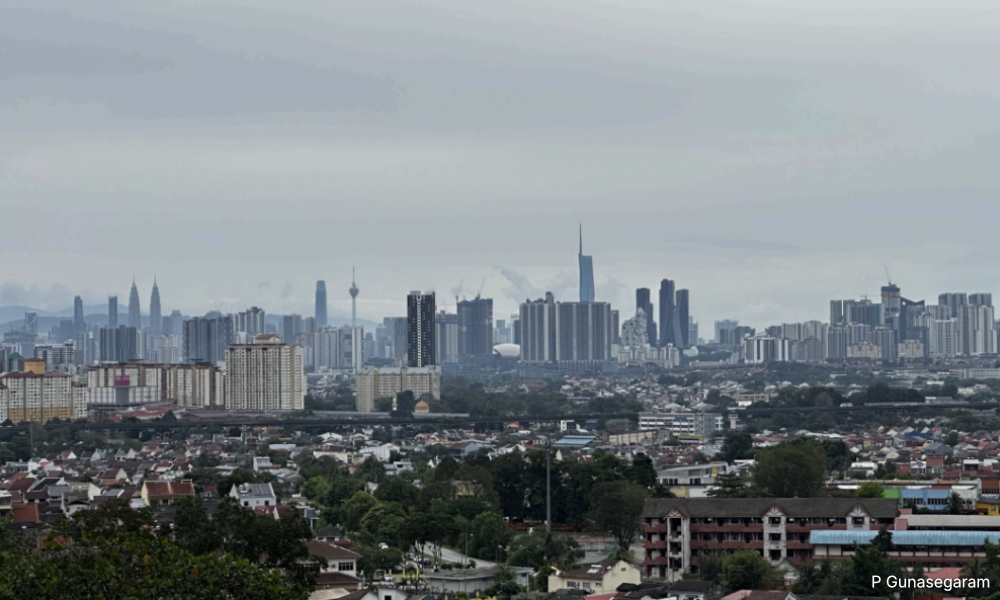
KPG is a nice neighbourhood park, the better of an insufficient number in some neighbourhoods in and around Kuala Lumpur, which can’t hold a candle to big sister, the forest park within the main area of Frim.
It pales in comparison with the forest park, with its beautiful trails holding 100-year-old trees in some places and many species of hardwood. We recently had access to it – you need to get a guide for this at RM150, for roughly half a day, plus the other entrance fees and charges.
That makes it economical only if you have a large group, making it unaffordable for small groups and individuals, and severely restricting public access to the forest park, which was previously easily accessible to all and sundry.
Apparently, the more recent crop at the top of Frim took the Covid-19 opportunity to basically close off access to most of the park, compared to the more enlightened earlier ones who realised that the forest park was a national heritage built by generations of people for the benefit of the people.
Maintain tradition
After a tour of the KPG, we went to the forest park, which we had been eagerly awaiting all morning. It was just a 500m walk through the heart of a restored forest, called the Keruing Trail, named after a species of hardwood trees.
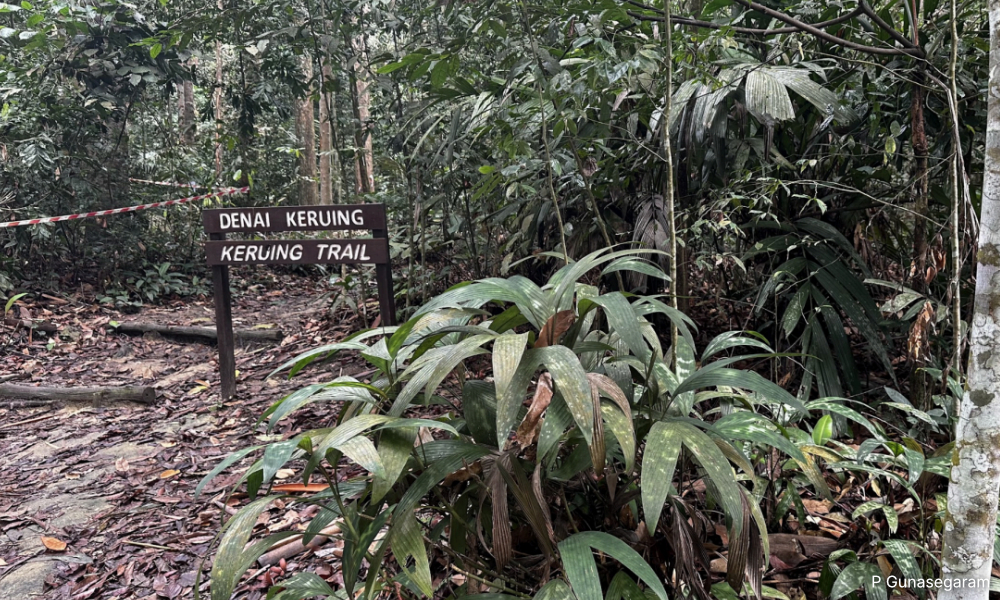
It was truly a great albeit short experience and reinforced my view that there is nothing like the Frim forest park anywhere else near Kuala Lumpur. It is an experience that should, no must, be made available to the larger public at low cost.
The excuse that numbers will damage the park holds no water at all. Remember, for most of the 100 years of the park’s existence - some 95 years - there was easy access to the public, and the parks still flourished.
There really is no justification to restrict access based on the antics of a few miscreants who abuse the park when given entry. That is a perpetual problem of any park, which can be handled by appropriate vigilance and enforcement, which is what parks all over the world do routinely.
During the short walk, we came across an area which was planted with camphor trees, so named because the seeds, when crushed, smell of camphor. These are so-called medium hardwoods and are commercially viable species.
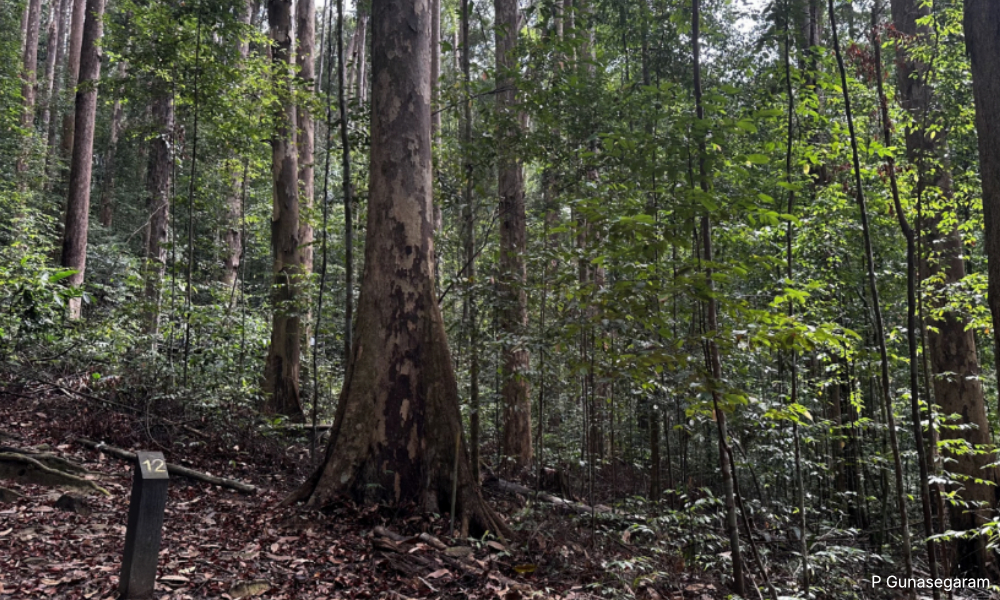
Further down the trail, we came to a viewing area surrounded by tall hardwood trees, making for a wonderful canopy overhead. As we exited the trail, we were shown a group of chengal trees, one of the hardest hardwoods in Malaysia.
The chengal trees were planted in 1955 and looked rather small despite being over 70 years old, showing how important it is to preserve our biodiversity and our forests, and how long it will take to regenerate them once destroyed.
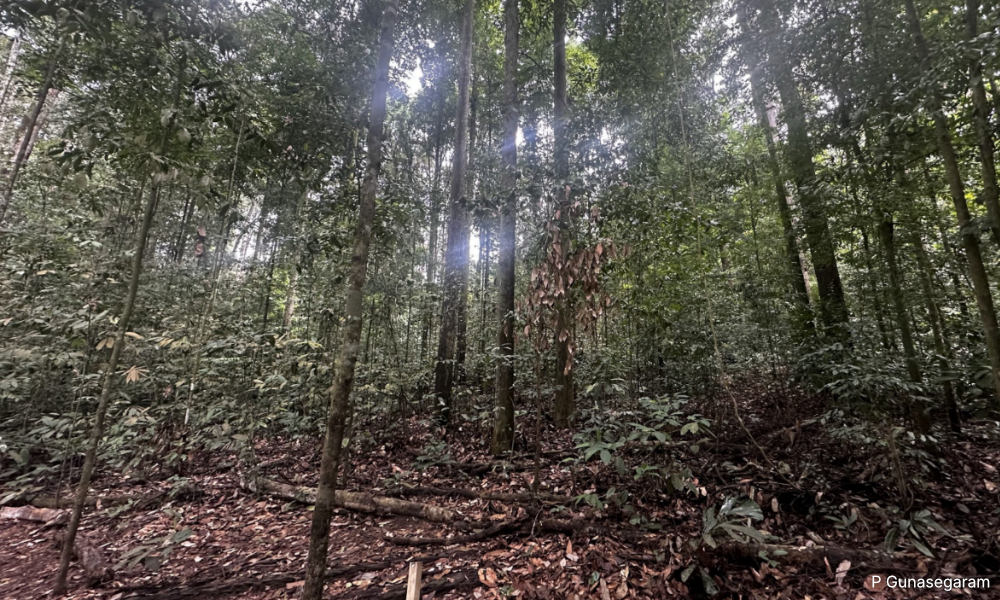
Now, having successfully regenerated forest areas over several generations and having won a world accolade for its efforts, Frim must maintain tradition and give meaningful access to its achievements to the public. Where there is a will, there’s a way. - Mkini
P GUNASEGARAM is proud of Frim’s Unesco status for its forest parks - now it should flaunt it by giving the public easy access to it as befits a national treasure.
The views expressed here are those of the author/contributor and do not necessarily represent the views of MMKtT.

No comments:
Post a Comment
Note: Only a member of this blog may post a comment.