


I had only met a few inmates in prison, but when I saw Ibu Asih, she was witty and hopeful. I can only imagine the pain she had gone through in prison when she pleaded with us to help get her out of prison, as though we wield such powers.
Over the past decade, Asih spent her time behind bars with no family contact for eight years. She was subject to abuse, struck by illness - including surviving cancer - and yet at times, all that we could offer to say was “Sabar ya bu, kami usahakan (Be patient, Bu, we are working on it).”
It crushed me to know that there isn't much that we can do. She has exhausted her legal avenues; there weren’t many ways to review her case.
The clemency process is opaque, and having assisted her with submitting her clemency application, all we could do was wait.
The impossible standard
Asih is a 66-year-old grandmother from a small village in Indonesia who was always resourceful in finding small, paid gigs to alleviate her children’s burdens.
In 2011, she trusted her neighbour, Duwi, who promised her a well-paying job in Malaysia. With jitters and excitement, she stepped out of Indonesia for the first time with a falsified identity given to her only at the airport.
Upon arriving in Kuala Lumpur, she was informed that the job opportunity was now in Vietnam. She sought help from taxi drivers to secure a flight.
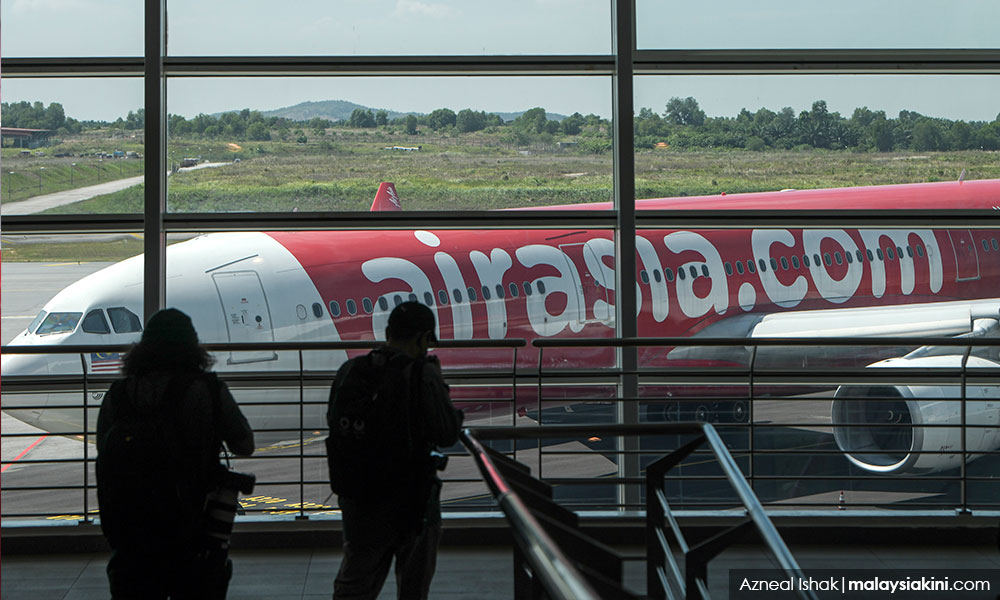
Upon arrival in Vietnam, she was met by a lady and taken to a hotel. Duwi asked her to collect a bag from the lady, claiming it contained gifts and clothes for Duwi’s family.
Asih inspected the bag for any items that may be prohibited on the flight (as provided on the flight ticket), such as sharp items, and found none.
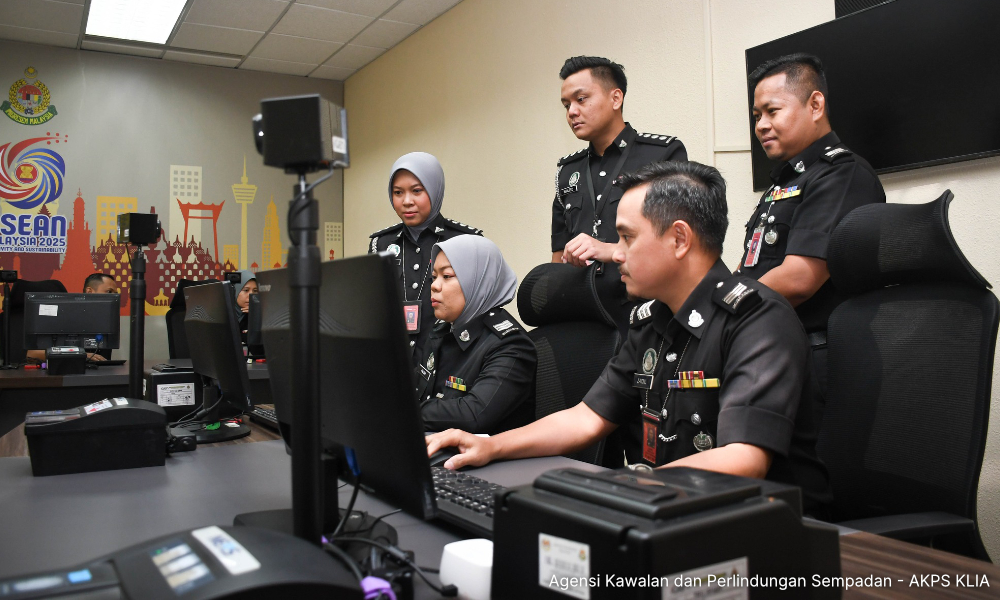
After arriving at KLIA, she could not find the bags and asked for the airport officer’s help to locate them. She was asked to put the bags through the scanning machine.
After doing so for the second time, about four customs officers intervened and inspected and dismantled the bags. She was then informed that drugs had been discovered in the lining of the bags.
Asih was eventually tried in Malaysian courts for drug trafficking. The prosecution did not need to prove that she saw the drugs, only that she should have known.

To the court, a reasonable person would have reacted with surprise or protested her innocence and immediately informed the officers of Duwi.
Since Asih did not do so at the first instance, it was interpreted that it meant she had possession and knowledge of the drugs.
This was despite her mobile phone being in the possession of the investigators ever since it was seized on her arrest.
She also met with Interpol later, where she gave further information on Duwi.
While the judgment focuses on actual knowledge, it relies on the same rationale of what is known as wilful blindness. Those who are wilfully blind under this doctrine are those who fail to “discover” well-hidden drugs or make inquiries about them.
By penalising Asih for giving an insufficient or a lack of reaction at the point of her arrest, the law is effectively saying that if you cannot demonstrate sufficient vigilance, you are deemed to be a willing participant in drug trafficking.
The expectation that ordinary people should be as skilful as airport scanners and/or anti-narcotics officers in detecting drugs has led to a significant number of drug trafficking convictions in Malaysia.
For Hayat’s forthcoming report, I spent months researching 215 cases from 2007 to 2025 in which wilful blindness was applied and where it stopped looking for the truth and started looking for an excuse to close the case.
It can’t be that all 215 of these people were willing to risk their lives to traffic drugs for a couple of hundred ringgit, and some with no remuneration at all.
Despite providing authorities with information about their “recruiter”, it is almost always deemed as insufficient or irrelevant to the offence.
Six years for mastermind, noose for the mother
The most baffling case I came across was that of Herlina Purnama Sari. Herlina, a single mother from Surabaya, was offered a job by Vivian to pick up sarees from Laos.
In the economy of the exploited, the underprivileged are the ultimate currency. In a turn of events, Herlina was later arrested in Malaysia with drugs that were carefully concealed within photo frames.
Despite providing information about Vivian and those who gave her the photo frames to the authorities, Herlina was deemed to be wilfully blind to the crime because of how well-hidden the drugs were in those photo frames.
She was found guilty of drug trafficking and later sentenced to death in Malaysia, while Vivian served a six-year prison sentence in Surabaya for conspiring to traffic drugs and launder money.
How can it be that recruiters like Vivian go free or merely get six years of imprisonment when mules like Herlina face the death penalty?
It’s not that the courts did not recognise these recruiters to be the “real traffickers”, but it’s simply because they weren't the ones carrying the drugs across the borders.
The myth of ‘wilful’ choice
Despite being the ones orchestrating the transportation of drugs across borders, their roles were not seen as being more detrimental to national security.
This is where the doctrine of wilful blindness, which was intended as a safeguard against drug trafficking, became a weapon wielded against the vulnerable.
The law assumed that because Herlina didn’t tear apart the photo frames, she chose to be “blind” to the crime. So was Asih, when she did not tear apart the bag herself.
This doctrine, which is still widely applied in the prosecution of drug trafficking cases, fails to account for the reality of the crime.
In transnational organised crimes, information is privileged. “Low-level operators” who are so far removed from the reins of power are not only kept in the dark; some genuinely do not even know that they have become one, as was the case with Asih and Herlina.
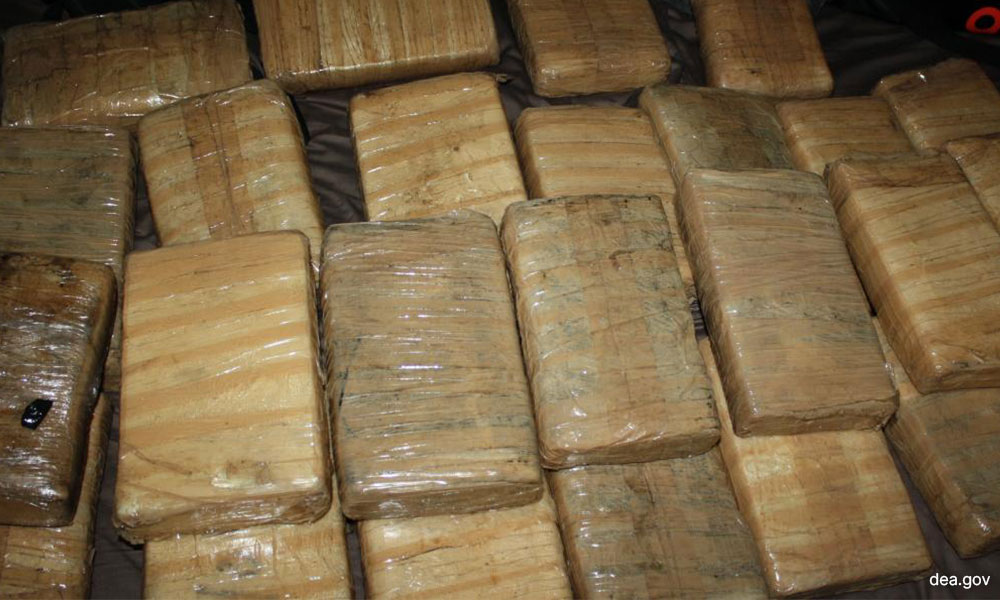
It is not that they chose to be deliberately blind, but were part of something where ignorance was engineered.
By applying wilful blindness, the legal system is punishing a mule like they would a drug lord and expects a destitute single mother to possess the investigative instincts of an anti-narcotics agent.
The months spent researching these cases made me lose (more) hope in the system, but eventually I came to realise that while the system may be cynical, our response to it cannot be.
The law punishes those with economic disadvantage who’ve had their vulnerabilities exploited, and calls it justice.
We’ve painted them as criminals deserving of death for polluting this country with drugs, but refuse to acknowledge that vulnerable single mothers indebted to their recruiters are barely the ones capable of travelling to multiple countries to coordinate a transnational drug trafficking plan.
Are we really against drug crimes if we do not care about prosecuting further or digging deeper into who is behind these networks?
End of sentence
A text came in late March informing us that Asih would be released soon. She requested that we kindly pass her a pair of clothing for her to wear upon her release.
Fifteen years in prison is a long time. Long enough to leave you with nothing to your name, not even a piece of clothing.
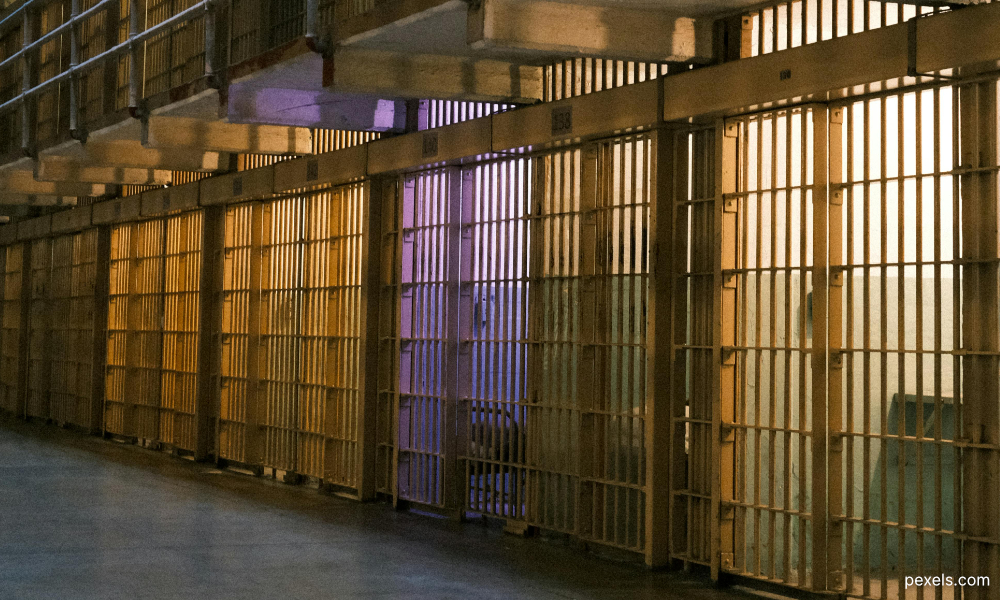
Thankfully, Asih has a family back home waiting for her return. But not all are as fortunate. “Miss, bila saya boleh balik? (Miss, when can I go home?)”
Oftentimes, when I speak to friends about how Asih or Herlina were trafficked to transport drugs, they look at me as if I am just naive, unaware of human evil nature and greed.
“She probably did it for the money”, “No way she did not know there were drugs in the bag”, “Why would she even believe them (the recruiters)?”
Alas, it might be far more convenient to believe in the perfect vigilance of vulnerable single mothers than to acknowledge the cruelty of organised crime syndicates that weaponise poverty. - Mkini
JOSOPHINE H is a research assistant at Hayat, a Kuala Lumpur-based organisation committed to advocating for rehabilitative and restorative justice, with a focus on decarceration, drug policy reform, and the total abolition of the death penalty.
The views expressed here are those of the author/contributor and do not necessarily represent the views of MMKtT.

No comments:
Post a Comment
Note: Only a member of this blog may post a comment.