


Roughly 20 percent of all global fossil fuel supply chains flow through the Strait of Hormuz. Since the illegal joint Israel-US strikes on Iran commenced on Feb 28, 2026, fossil fuel prices throughout the world have skyrocketed.
In Southeast Asia, neighbours such as the Philippines and Thailand are facing fuel shortages and declarations of a state of emergency.
While Malaysia has not been affected by supply issues, the government’s blanket subsidy of RON95 petrol has become far costlier than originally planned.
Within one month, the market price of RON95 petrol in Malaysia rose from RM2.56 per litre to RM3.87 per litre, a 50 percent increase.
Accordingly, by committing to subsidising the price of RON95 to RM1.99 per litre for the foreseeable future, the monthly fuel subsidy bills for Malaysia have risen from RM700 million to RM4 billion.
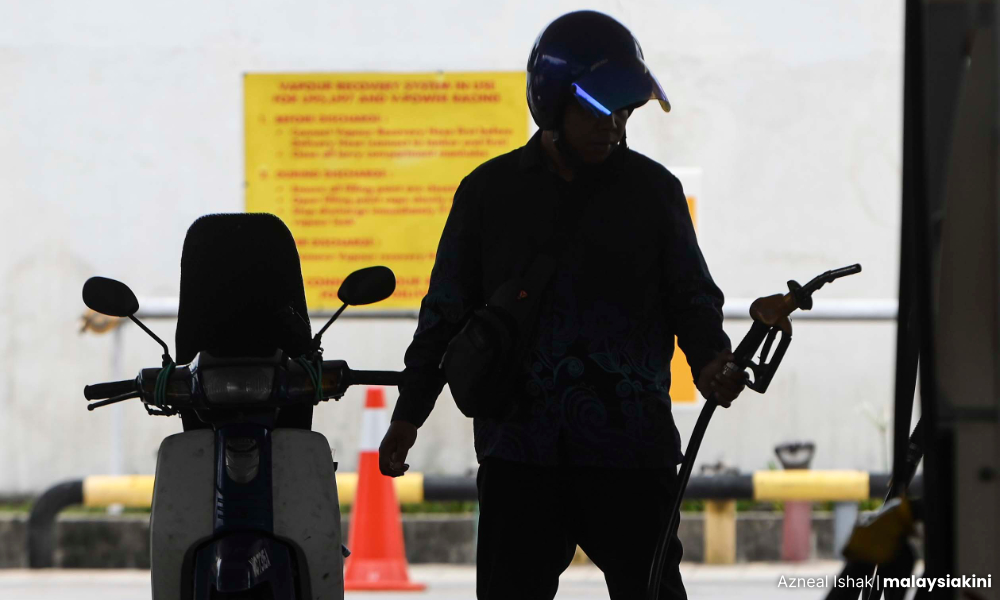
This has raised concerns from government representatives, think tanks and pundits alike on the fiscal sustainability of fuel subsidies in the current geopolitical context.
One proposal to reduce the government’s fuel subsidy bill has been to implement work-from-home (WFH) initiatives nationwide.
Extend WFH to private sector
On April 1, it was announced that employees of federal ministries, agencies, statutory bodies and government-linked companies could WFH beginning on April 15.
While this is a good measure to reduce fuel consumption, expanding WFH to all sectors would have myriad benefits.
The benefits of implementing WFH in this context can be calculated by adopting the following conservative parameters:
Employed population of the Klang Valley: 4.1 million.
Assumption of 50 percent WFH arrangement: 2.05 million.
Average round-trip commuting distance in Klang Valley: 20km
Average fuel consumption in heavy traffic: 0.11 litres per km.
Based on these parameters, the average commuter in the Klang Valley uses 2.2 litres of petrol each day to commute to work.
If just 50 percent of the Klang Valley’s working population were able to work from home, this would result in the saving of 4.51 million litres of petrol per day, translating to 90.2 million litres of petrol per month.
Given that the current subsidy bill is RM1.87 per litre, this would translate to fuel subsidy savings of RM169 million per month.
If the geopolitical climate persists or worsens indefinitely, this could translate to subsidy savings of RM2.03 billion over 12 months.
It must be noted that this figure, focusing on the Klang Valley alone, is just 23 percent of Malaysia’s entire working population.
Mandating WFH nationwide could potentially save up to RM1 billion per month, depending on the ratio of the population able to WFH.
Reducing pollution, improving public health
It is important to note that the benefits of this go beyond improving Malaysia’s fiscal position and employee productivity.
Data suggests that the vast majority of Malaysians commute to work alone, and that the vast majority of personal vehicles in Malaysia are internal combustion engine (ICE) cars, which run on harmful fossil fuel, the leading driver of air pollution and climate change today.
Air pollution is estimated to cost Malaysia RM303 billion annually in public health-related costs, roughly 20 percent of our GDP.
Further, 32,000 entirely preventable deaths in Malaysia every year are attributed to air pollution, with respiratory illnesses being the second leading cause of death in the country.
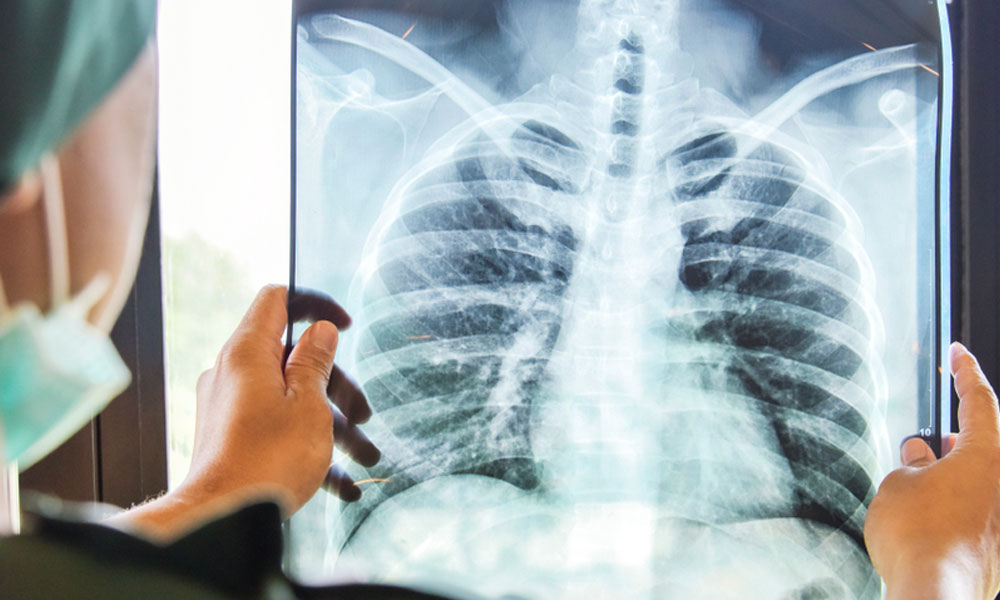
Given that 70 percent of the Klang Valley’s air pollution comes from cars, removing 2.05 million cars in the Klang Valley alone would drastically improve its air quality, improving public health and overall liveability.
Further, this would avoid an estimated 10,400 tonnes of carbon dioxide emissions per day, 208,000 tonnes per month or 2.5 million tonnes per year, equal to the annual emissions of Fiji, reducing Malaysia’s contribution to global climate change.
Klang Valley commuters waste an estimated 580 hours in traffic every year, costing them an estimated RM9,000 annually in vehicle maintenance and fuel.
Further, Malaysia is estimated to have already used up its fair share of the global carbon budget, which raises the need for rapid alignment with decarbonisation pathways.
The spike in fossil fuel energy prices underscores the need for structural changes in Malaysia’s transport accessibility, energy sustainability, and security, with fossil fuels being an increasingly scarce, expensive and polluting source of energy.
Given this, the following long-term measures should be undertaken by the government.
Prioritise public transport
If the conflict worsens, the total subsidy bill for Malaysia could exceed RM48 billion over 12 months, based on recent estimates. This could instead fund:
15,000 electric buses
30,000km of covered walkways
60,000km of protected bicycle lanes
720 electric trainsets
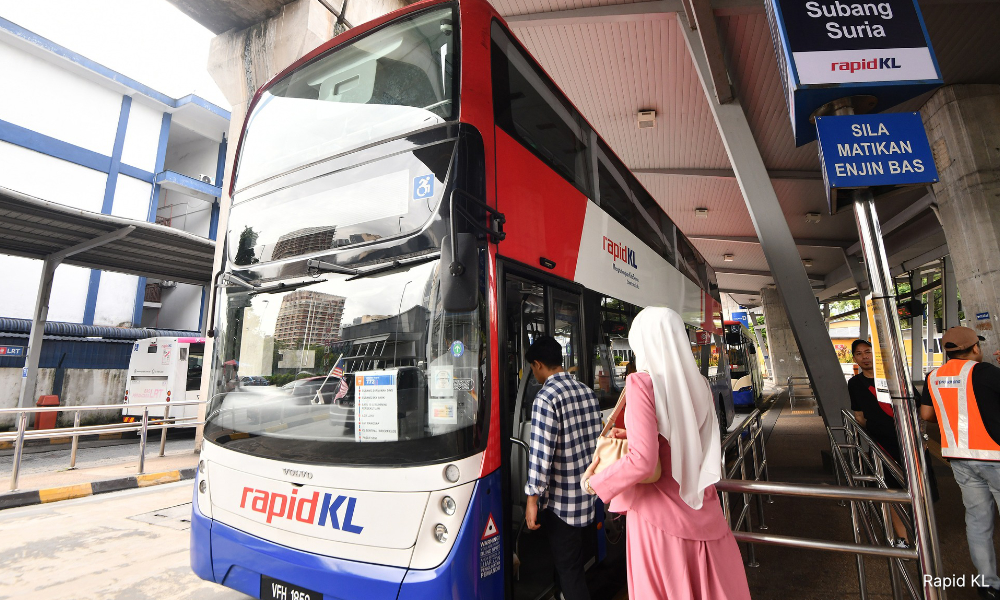
Malaysia requires budgetary reallocations to support a vast uptake of public transport and walkability across the country in both urban and rural areas, which would reduce the need for imported petrol and diesel substantially.
Phase out fossil fuel energy
Even before the conflict, the cost of solar per MWh in Malaysia was already lower than fossil fuel alternatives such as coal and gas.
Solar energy is less susceptible to geopolitical tensions and therefore offers a viable alternative for Malaysia’s decarbonisation and energy security.
Accordingly, Malaysia should plan to phase out polluting coal and gas power plants and replace them with new renewable capacity. - Mkini
RIMBAWATCH is an environmental think-tank conducting research and advocacy on climate-related issues in Maritime Southeast Asia.
The views expressed here are those of the author/contributor and do not necessarily represent the views of MMKtT.

No comments:
Post a Comment
Note: Only a member of this blog may post a comment.