


Putrajaya could have better managed current oil price shocks if its targeted fuel subsidies had been based on the Central Database Hub (Padu), said former economy minister Rafizi Ramli.
He also said the government agreed in 2023 to float fuel prices and implement cash-transfer subsidies, which would ensure they only reach eligible income groups.
However, political considerations stymied this plan, Rafizi added.
"I think if they have done Padu in 2024 and what we have agreed in 2023, we won't have argument (about fuel prices) today.
"Because the people would have adjusted in the last three years based on their petrol consumption, and get used to the social security system, cash transfers etc," he said in an episode of his podcast last night featuring Malaysiakini.
According to Rafizi, leaders in Putrajaya were worried of backlash from the rakyat if petrol prices are floated to global market rates.
The initial plan to distribute targeted cash assistance based on Padu database was supposed to begin as early as March 2024, but the Pandan MP said it was delayed because Prime Minister Anwar Ibrahim was allegedly concerned the move would make the government unpopular.
Rafizi said this was despite him having cautioned the cabinet that the government would still need to increase the prices when a global oil shock happens.
"By then, it does not matter how much you have distributed in cash assistance, or how much (money) you have burnt to provide blanket subsidies, once you increase fuel prices, the people will criticise you.
"So, you better do it during your first year as the government so that within one or two years, the people would start to appreciate the cash transfers and get used to managing their actual fuel consumption according to the cash assistance," he said.
Rising subsidies
Criticising Putrajaya for backing off from the plan to float petrol prices, he said the global oil crisis would cause the country's annual budget to "burst".
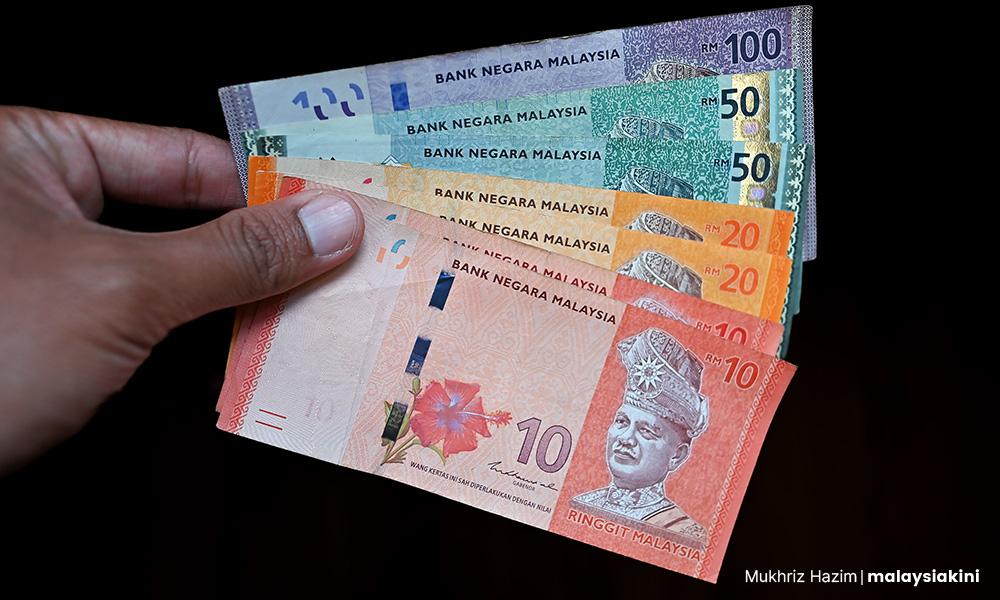
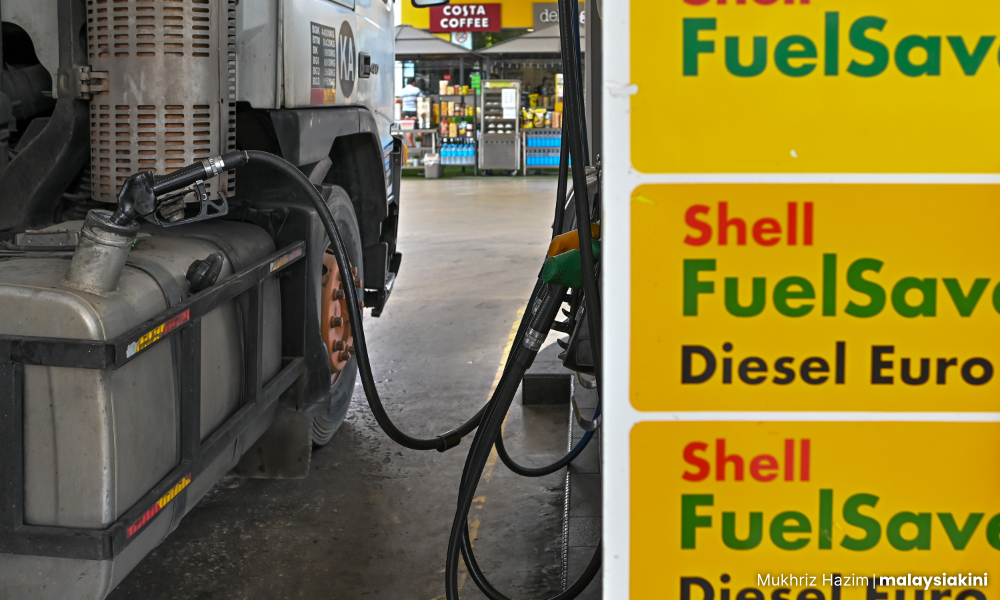
Rafizi said the government had allocated RM12 billion for fuel subsidies this year, but the steep hike in crude oil prices will now force it to fork out about RM7 billion every month.
The increase in spending might even cause the government difficulty to pay out the Rahmah Cash Aid (STR), which costs the government RM15 billion this year.
"So, the (government's) budget has burst 'gila-gila' (way too much). I'm not surprised if he (the prime minister) has to table a proposal for a supplementary budget in the next parliamentary sitting."
Padu’s development
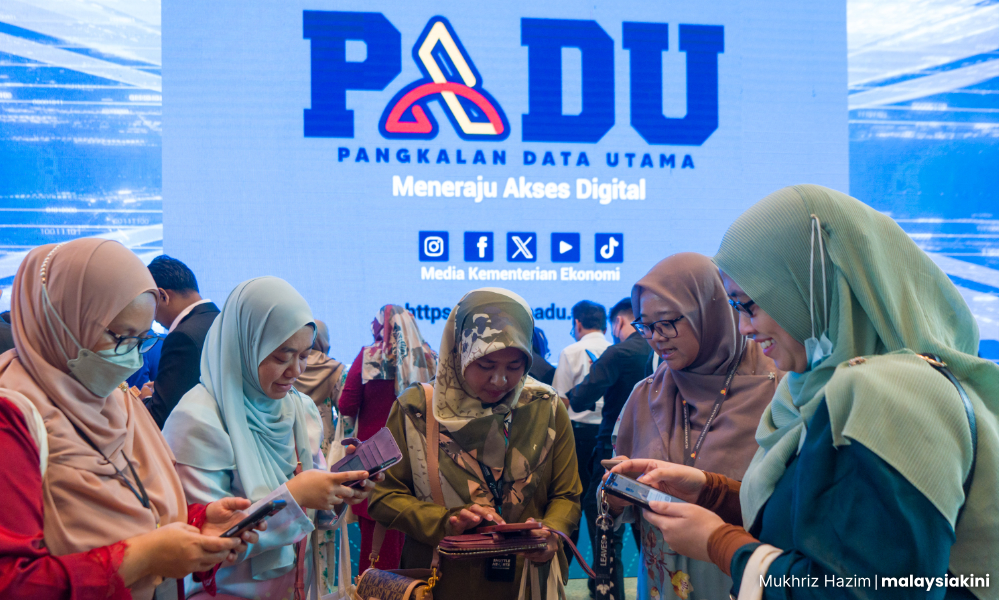
Padu is a centralised database system introduced by the government in January 2024, integrating socioeconomic data of individuals and households nationwide.
It was developed to support more targeted subsidy policies, allowing the government to better identify eligible recipients and reduce leakages, including those linked to smuggling and misuse of subsidised goods.
However, despite initial plans to use Padu’s data for targeted fuel subsidies, Putrajaya later adopted different mechanisms.
Diesel subsidies are now administered through an application-based system managed by the Finance Ministry known as Budi Individu, while RON95 petrol subsidies remain broadly available under a programme called Budi95, with eligibility linked to vehicle ownership and Transport Ministry data rather than Padu.
On this, Rafizi said these decisions would now make it difficult for the government to distribute further assistance to those affected by the oil price hike.
Putrajaya could have several options today if it had implemented cash-transfer assistance based on individual and household income data on Padu, according to the former PKR deputy president.
"Let's say when diesel prices suddenly skyrocket, one thing that the government can do now is they can either increase the amount of cash transfer or they can expand it to include those who were previously not eligible for the assistance.
"Or what you may do is top up some subsidy to bring the (diesel) price slightly lower, perhaps from RM6 to RM5.50 (per litre)," he added.
However, Rafizi said, the RM27 million government had spent to develop Padu did not go to waste despite it not being used for targeted subsidies distribution.
He said the government agreed to develop the system for its universal back-end data, which allow it to be utilised by other ministries and agencies.
This, according to the lawmaker, helps the government to save in terms of budget for future websites and systems, where they no longer have to spend on developing similar database. - Mkini

No comments:
Post a Comment
Note: Only a member of this blog may post a comment.