


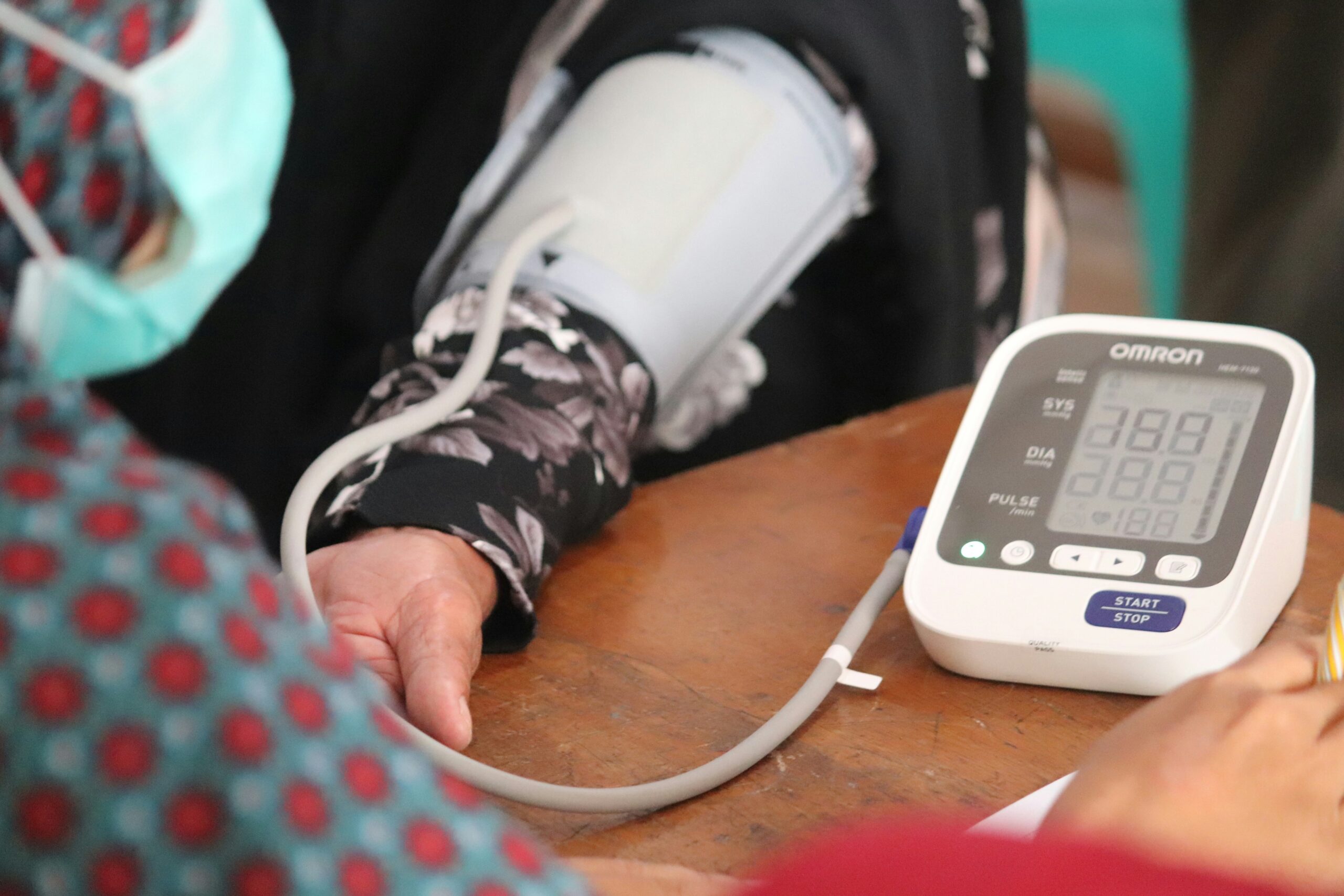
FOR many people, high blood pressure did not trigger immediate warning signs. It often appeared as just a number on a screen.
However, if left untreated, it places a constant strain on the heart and blood vessels, increasing the risk of serious and long-term cardiovascular complications.
In Malaysia, nearly one in three adults has hypertension, yet many remained unaware of their condition. Often referred to as a “silent killer”, it frequently developes without obvious symptoms, while hidden damage accumulated over time.
Dr Gary Lee Chin Keong, Consultant Cardiologist and Electrophysiologist at Sunway Medical Centre, Sunway City (SMC), highlights the importance of understanding high blood pressure, its effects on the body, and the significance of routine health screening in conjunction with World Hypertension Day.
How high blood pressure strains the heart
The heart and blood vessels function as a continuous circulation system, with the heart acting as a pump and the blood vessels forming a network of arteries and veins. When blood pressure remains elevated over time, the heart was forced to work harder to circulate blood throughout the body.
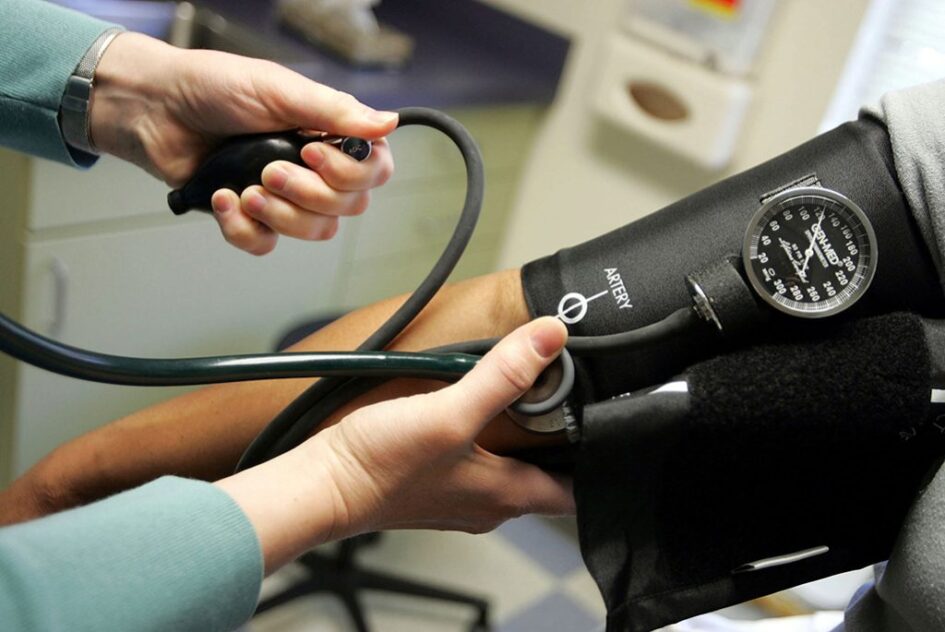
“At first, the heart adapted by becoming thicker and stronger. However, unlike skeletal muscle, this thickening was not beneficial in the long term,” Dr Lee explained.
“The constant strain caused the heart muscle to stiffen, reducing its ability to fill and pump efficiently.”
One of the earliest manifestations of this process is left ventricular hypertrophy (LVH), a thickening of the heart’s main pumping chamber.
As the muscle wall thickens, the chamber has less space to fill with blood, and the heart becomes less efficient at receiving oxygen. Over time, it becomes stiffer, less flexible, and more vulnerable to failure.
LVH is particularly concerning because it often developed before symptoms appeared. In many cases, it is only detected through investigations such as an echocardiogram, which allows doctors to observe structural changes in the heart.
Why symptoms often appeared too late
Many people with hypertension do not realise they have heart damage until complications had already developed, as they often feel well even while structural changes are taking place.
Symptoms such as chest pain, shortness of breath, palpitations, dizziness or fainting are frequently dismissed as stress, fatigue or indigestion. By the time these symptoms become more apparent, disease progression is often advanced.
“Hypertension did not act alone. It triggered changes across multiple organs, affecting not only the heart, but also the brain, kidneys and blood vessels throughout the body,” Dr Lee explained.
He noted that atrial fibrillation, an irregular heart rhythm, could disrupt blood flow and increase the risk of clot formation, which in turn raised the risk of stroke—one of the leading causes of death in Malaysia (Department of Statistics Malaysia, 2025).
A growing concern among younger Malaysians
Dr Lee observed an emerging trend of younger patients being diagnosed with hypertension and cardiovascular disease.
“About twenty years ago, hypertension was mostly considered a condition affecting older adults. Today, I treated patients in their 20s and 30s,” he said.
Modern lifestyle factors plays a major role in primary hypertension, including long working hours, chronic stress, inadequate sleep, physical inactivity, smoking, excessive salt intake and high consumption of processed foods.
Obesity and diabetes further increased risk, creating what Dr Lee describes as a “dangerous cluster” of cardiovascular risk factors.

“Many Malaysians were not only developing hypertension earlier, but were also living with its effects for longer. This made complications more likely to appear at a younger age,” he added.
Dr Lee went on to stress that early detection makes a significant difference in outcomes and encouraged Malaysians to begin monitoring their health indicators from their 20s.
Basic checks such as blood pressure, cholesterol levels, blood glucose and body weight help identify risks early. Depending on individual risk profiles, doctors may also recommend ECGs, echocardiograms, stress tests or CT cardiac scans.
When hypertension is detected early and treated appropriately, structural changes to the heart can be slowed, and in some cases partially reversed.
Management typically involves medication, dietary changes, regular exercise, weight control, smoking cessation, stress management and consistent follow-up care.
Dr Lee also emphasised that patients should not discontinue medication without consulting their doctor, adding that the key message remained simple: know your health numbers and act early.
“Do not wait for symptoms to tell you something is wrong. The earlier high blood pressure is detected, the better the chances of protecting the heart,” he said. ‒ Focus Malaysia

No comments:
Post a Comment
Note: Only a member of this blog may post a comment.