


PARLIAMENT | Deputy Prime Minister Ahmad Zahid Hamidi has defended the Cybercrimes Bill today, insisting that none of the powers conferred under the proposed law is absolute or unchecked.
Addressing concerns raised by MPs during second reading debates, he said every power provided under the bill is subject to checks and balances as well as strict legal procedures.
“Without disregarding the very insightful views of all honourable members, I hope this bill will be considered a game changer in ensuring that the country’s legal system remains relevant to technological developments,” he told the Dewan Rakyat this evening.
A total of 48 lawmakers participated in the debate, discussing the bill’s potential impact on data security and privacy, provisions granting expansive investigative powers, as well as the risk of covert surveillance.
Zahid (above) tabled the bill for its first reading on June 22.
The proposed law has drawn criticism from the Malaysian Media Council (MMC), which warned that several provisions are overly broad and lack adequate safeguards to protect civil liberties.

“The council is particularly concerned by provisions such as Clause 40, which permits the real-time collection of traffic data on the authorisation of the public prosecutor alone, with the service provider barred from disclosing that the power has even been exercised.
“Other provisions of concern include Clauses 38, 39, and 41, which allow the preservation, disclosure, and interception of communications, and in certain circumstances, warrantless access to computer systems, without prior judicial authorisation,” it said.
Calls for tighter safeguards
The bill’s most vocal critic was PAS information chief Ahmad Fadhli Shaari (PN-Pasir Mas), who questioned whether increasing penalties alone would reduce cybercrime.
“Does the government have empirical evidence that increasing sentences alone will reduce cybercrime?” he asked, arguing that deterrence depends more on effective investigations and convictions.
“The government should present data on case resolution rates, prosecution rates, and conviction rates before asking Parliament to approve much harsher sentences,” he added.
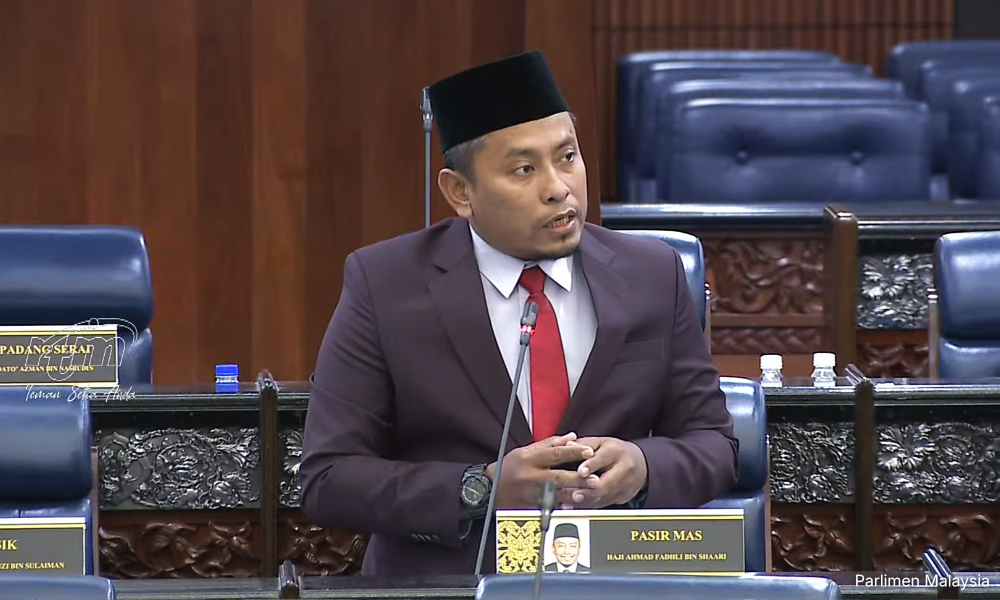
Ahmad Fadhli also scrutinised the breadth of powers conferred under the bill, questioning whether officers granted surveillance and enforcement authority would be subject to minimum qualifications or mandatory training.
“Is the minister’s decision subject to independent checks and balances? The answer is not in this bill.
“The minister’s discretionary powers are very broad, while the powers to be exercised by the officer concerned involve criminal investigations into access to computer systems and the exercise of enforcement powers that carry implications for individual rights,” he said.
He was joined by DAP national legal bureau chairperson Ramkarpal Singh (Harapan-Bukit Gelugor), who called for the bill to be withdrawn for review by the relevant parliamentary special select committee.
Citing the bill’s “far-reaching consequences”, the former deputy law minister warned that allowing officers with the minimum rank of inspector to access devices based on their own assessment of urgency could create opportunities for abuse.
MPs support bill but seek changes
Several MPs, including those from the opposition, nevertheless expressed cautious support for the bill, citing the growing threat of cybercrime, online scams, deepfakes, and the non-consensual dissemination of intimate media.
For instance, Wan Ahmad Fayhsal Wan Ahmad Kamal (PN-Machang) acknowledged that some provisions could encroach on civil freedoms.
“I urge our support, but there needs to be improvements,” said the Wawasan information chief.
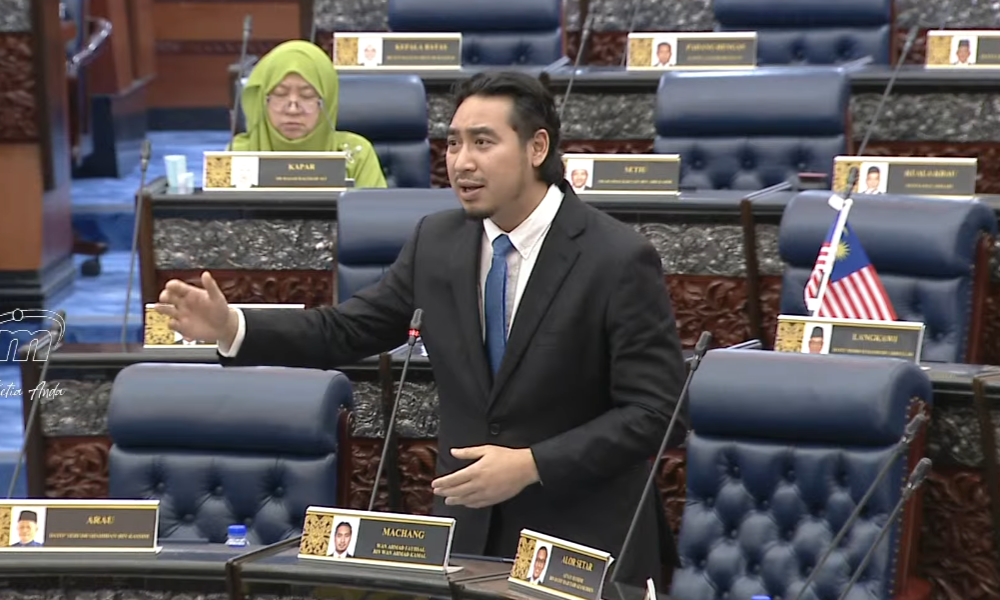
Similarly, Syerleena Abdul Rashid (Harapan-Bukit Bendera) highlighted clauses she considered problematic, including provisions allowing warrants without judicial approval, potential liability for victims of credential theft, and powers compelling the surrender of decryption keys.
If passed, she warned that such legal provisions might compromise freedom of expression and digital security.
She also questioned whether the government would impose heavier penalties on offences affecting child victims and introduce faster takedown mechanisms for harmful content.
Meanwhile, Shamshulkahar Deli (BN-Jempol) voiced apprehension over Clauses 40 and 41, which he said could allow real-time monitoring of communications without adequate oversight.
“Imagine if WhatsApp conversations between family members or friends were monitored for investigative reasons,” he said.
Protection for media, whistleblowers
Syed Saddiq Syed Abdul Rahman (Muda-Muar) warned that the bill could have a chilling effect on free speech, particularly for whistleblowers.
His point was echoed by Ahmad Marzuk Shaary (PN-Pengkalan Chepa), who said the bill should include explicit protections for journalists, whistleblowers, researchers, cybersecurity professionals, and lawyer-client communications.
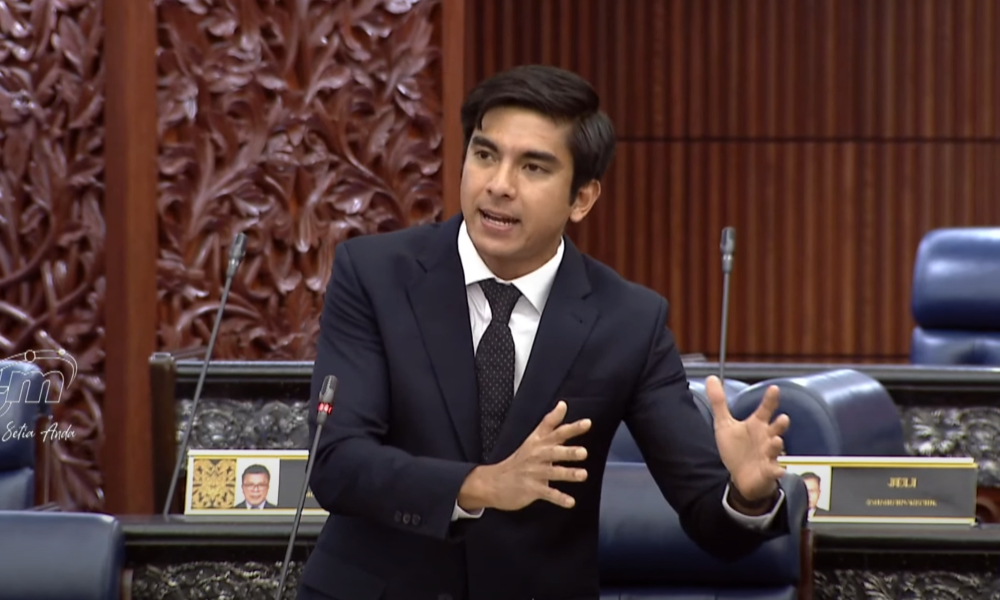
Syed Saddiq further called for the bill to be reviewed by the MMC and legal experts.
He said the bill needs to be aligned with international standards and recognise the need for region-wide cooperation, given the cross-border nature of many scam operations.
Additionally, Ahmad urged that the power to access data, search and seize digital devices, as well as obtain communications information, be restricted through strict judicial control.
He proposed including check and balance mechanisms, such as an annual parliamentary presentation of a report on the use of powers.
Extraordinary powers granted under the bill, he said, cannot be wielded against legitimate political criticism, public interest issues, ethical journalism, and cybersecurity research.
Isam Isa (BN-Tampin) called on Putrajaya to strengthen protections for victims, especially those affected by data breaches resulting from negligence.
He pressed the government on its intention to introduce heavier punishments on companies that fail to protect customer data.
“Victims not only lose money but also have to bear the risk of their identity being misused for years.
“This burden should not be borne entirely by the victim,” he said. - Mkini

No comments:
Post a Comment
Note: Only a member of this blog may post a comment.