


KUALA LUMPUR, July 1 — There was a time, not so long ago, when RM100 could fill a shopping trolley with ease.
Today, that same RM100 note feels like it stretches a little less with every visit to the supermarket. Amid persistent cost-of-living pressures and growing fears that escalating conflicts in the Middle East could further drive up global transport and food costs, the “shrinking ringgit” has become a daily reality for Malaysian households.
So, what does RM100 actually buy in July 2026?
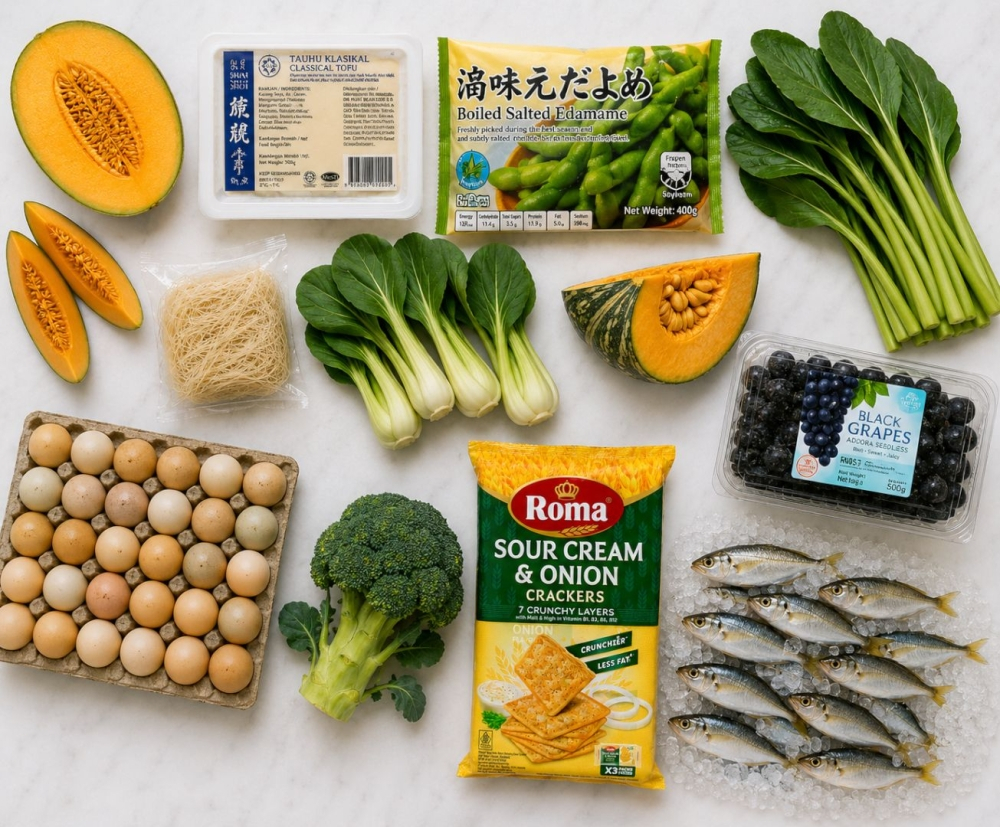
To find out, Malay Mail conducted a supermarket challenge: Build a balanced grocery basket for a small household using a strict RM100 budget.
The result was a mix of fresh essentials — vegetables, eggs, protein, and pantry staples — that illustrates both the resilience of local supply chains and the difficult trade-offs shoppers must now make.
The geopolitical ripple effect
While Malaysia’s internal food supply remains stable, economists warn that prolonged geopolitical tensions are no longer “distant news.”
Market analysts suggest that the ongoing instability in the Middle East is beginning to manifest as an indirect "logistics tax" on Malaysian consumers.
As global oil prices fluctuate in response to the conflict, the increased costs are felt immediately throughout the local supply chain.
This impact is particularly evident in the rising fuel expenses for refrigerated trucks transporting produce from Cameron Highlands and the higher operational costs for fishing trawlers, both of which are eventually passed on to shoppers at the supermarket.
The “basic” basket: Prioritising volume
The curated baskets are not definitive, but are meant to provide a snapshot of the current market.
The first basket is focused on maximising quantity and nutritional variety for a typical family of three or four.
| Item | Estimated price | Running subtotal |
|---|---|---|
| Pumpkin (1/4 wedge) | RM3.00 | RM3.00 |
| Rock melon (whole) | RM8.00 | RM11.00 |
| Broccoli (per head) | RM5.00 | RM16.00 |
| Sawi (mustard greens) | RM2.50 | RM18.50 |
| Bok choy | RM3.50 | RM22.00 |
| Rice vermicelli (mihun) | RM2.50 | RM24.50 |
| Classic tofu (4 pieces) | RM3.00 | RM27.50 |
| Frozen edamame | RM7.50 | RM35.00 |
| Eggs (Grade C, 30s) | RM16.00 | RM51.00 |
| Kembung fish (1kg) | RM24.00 | RM75.00 |
| Pantry staples (rice/oil/salt/sugar) | RM25.00 | RM100.00 |
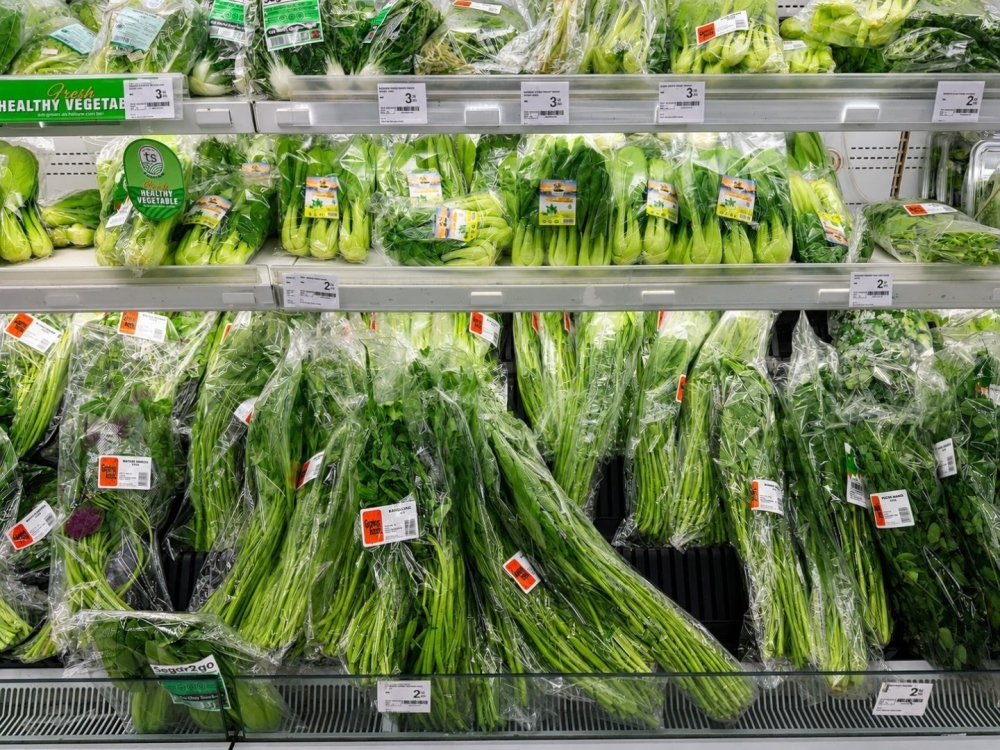
What you get: This basket provides a solid foundation. Leafy greens like sawi and kangkung remain the most “inflation-proof” options. However, protein now consumes nearly 40 per cent of the total budget.
The “premium” trade-off: Quality vs. quantity
If a shopper decides to opt for “premium” protein or imported produce, however, the basket shrinks significantly.
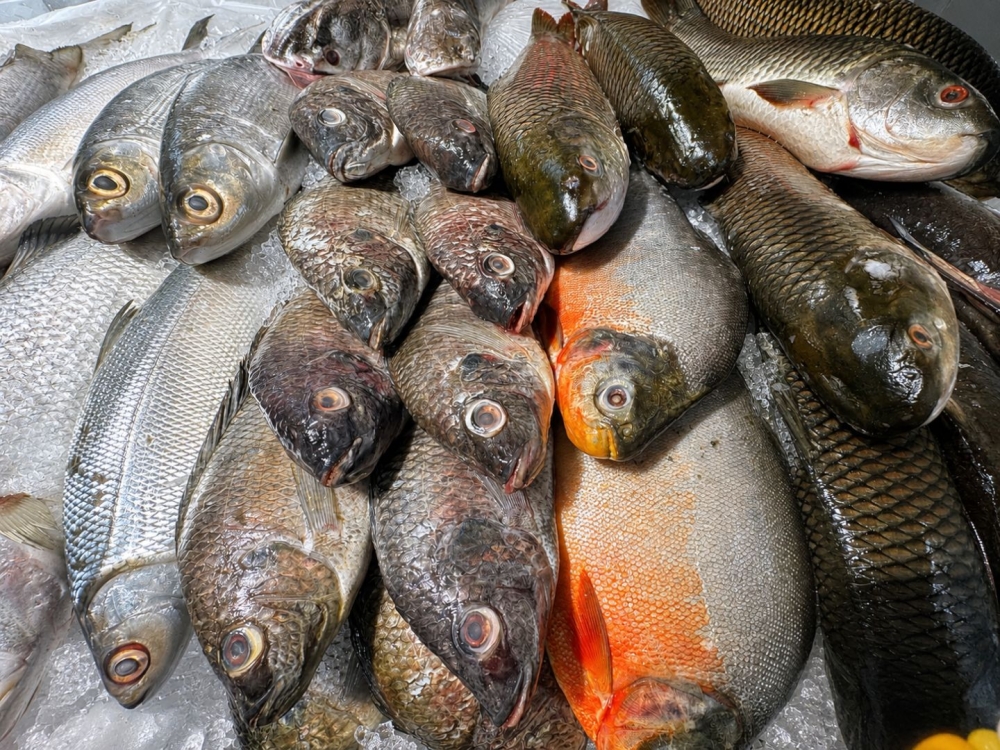
In 2026, a single salmon steak (RM14) represents a direct choice between one luxury meal or several days’ worth of local fish or eggs.
The “salmon” adjustment:
- Salmon steak (1 piece): RM14.00
- Broccoli: RM5.00
- Eggs (30s): RM16.00
- Kembung fish: RM24.00
- Running total: RM59.00
- Remaining for pantry/greens: RM41.00
In this scenario, the shopper has only RM41 left for the rest of the week’s necessities. The “premium” basket often lacks the bulk needed to sustain a family for seven days.
Making the ringgit work harder
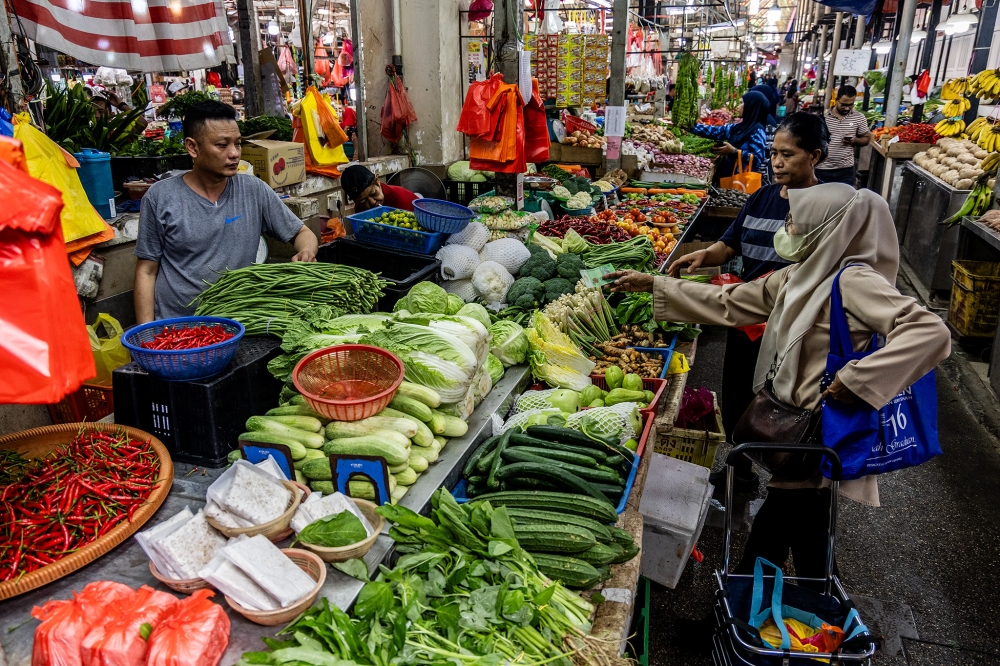
Shoppers interviewed by Malay Mail said they have shifted their habits toward:
- Local over imported: Choosing local fruits like papaya or watermelon over imported grapes or berries.
- Frozen over fresh: Opting for frozen vegetables or processed proteins that have a longer shelf life.
- Pantry items: Buying bulk staples like rice and flour when on sale to “buffer” the weeks when fresh protein prices spike.
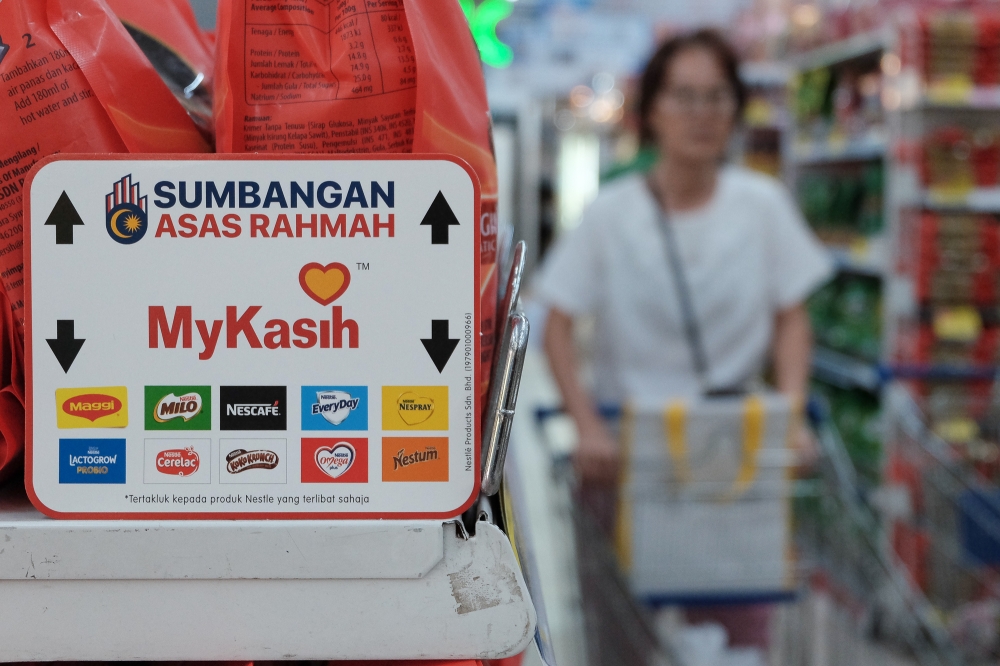
The RM100 MyKasih support
For those struggling to balance the books, the government’s targeted aid remains a vital lifeline. Eligible recipients who have yet to utilise their one-off RM100 MyKasih grocery credit are reminded to do so before the year-end deadline.
- How to check: Use the MyKasih mobile app or the official recipient portal.
- Where to spend: The credit is accepted at major retailers including Mydin, Lotus’s, and Econsave.
- Deadline: The credit must be used by December 31, 2026. - malaymail

No comments:
Post a Comment
Note: Only a member of this blog may post a comment.