


Oil palm, cut flowers, live orchids and meranti wood are among specific products from Malaysia going into the United States that are exempted from the new 10 percent tariffs that kicked in today.
Also included in the long list released by the Office of the US Trade Representative (USTR) are parts of plants such as seeds, branches and grasses used in bouquets, and natural gums.
The Donald Trump administration also exempted rattan and bamboo used for plaiting and woven baskets, as well as copra and vegetable oils such as castor and jojoba oil.
Other specific exports:
Industrial monocarboxylic fatty acids, including Oleic and Stearic acid
Tropical wood parts, including floor strips and moulding
Plywood panels, natural corks and silk yarns and fabrics
Diamonds, precious stones, and pearls
Granules and powders of pig iron, spiegeleisen, iron or steel
Minerals such as beryllium, chromium, hafnium, rhenium, thallium, cadmium, germanium, vanadium, gallium, indium and niobium (columbium)
Aside from these, the US also listed goods from any country that were generally exempted from the tariffs.
These include beef, certain tropical vegetables and fruits, ores such as tin, zinc, nickel and copper, rare earth metals, coal, liquefied natural gas, distillates, kerosene, engine oils, gases such as hydrogen and nitrogen.
Other goods that are in the general exemption list include industrial chemicals, semiconductor parts and manufacturing devices, and electronics, including solid state disc drives, flat panel displays and printed circuits.
The US is Malaysia’s second-largest export destination behind Singapore. According to the International Trade and Investment Ministry, Malaysia exported RM233.08 billion worth of goods to the US last year.
New levies
In his statement yesterday, USTR ambassador Jamieson Greer said exemptions were given for:
(a) raw materials that, if subject to these tariffs, could lead to the unavailability of domestic supply;
(b) products that could cause economy-wide disruptions if subject to these tariffs;
(c) products that cannot be grown or produced in sufficient quantities or at reasonable prices in the United States or obtained from other sources;
(d) certain products of Argentina, Bangladesh, Cambodia, Ecuador, El Salvador, the European Union, Guatemala, Indonesia, Jordan, Malaysia, Switzerland, Taiwan, or the United Kingdom that would encourage these economies to fulfil commitments regarding forced labour import prohibitions or to enact and effectively enforce a forced labour import prohibition; and
(e) articles for which these tariffs may not contribute substantially to the elimination of the acts, policies, and practices found to be actionable in the investigations.
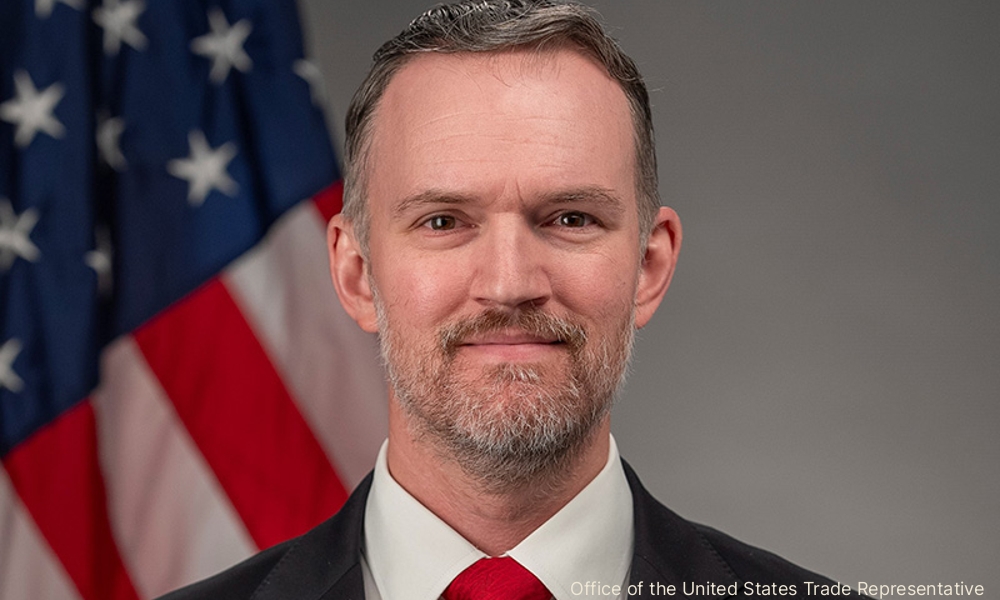
The USTR said the new levies are being imposed on 60 trading partners “for their failure to impose and effectively enforce a prohibition on the importation of goods produced with forced labour”.
“Today, Greer is taking final action, at President Trump’s direction, under Section 301 of the Trade Act of 1974 by imposing tariffs on 60 economies,” the agency said, according to a statement posted on its website.
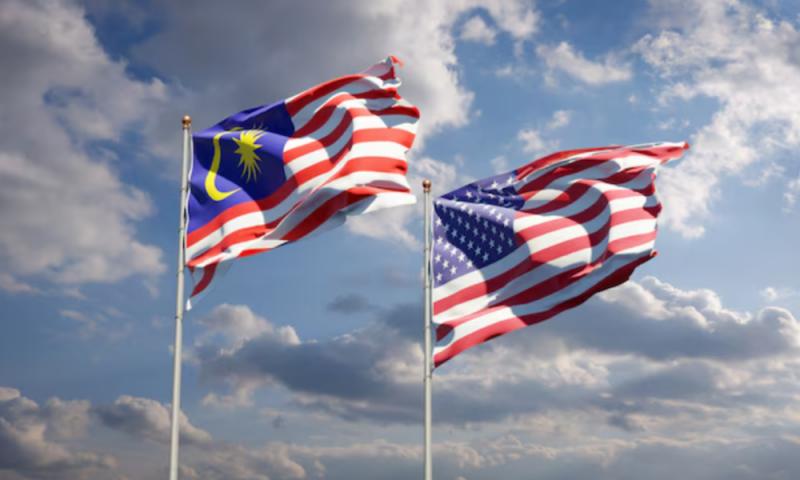
Malaysia was among 60 countries to be hit by new import tariffs from the United States ranging from 10 to 12.5 percent.
Other countries that have been slapped with the 10 percent rate are Argentina, Bangladesh, Cambodia, Canada, Ecuador, El Salvador, Guatemala, Honduras, India, Indonesia, Jordan, Mexico, Pakistan, Sri Lanka, Trinidad and Tobago, and the United Kingdom. - Mkini

No comments:
Post a Comment
Note: Only a member of this blog may post a comment.