


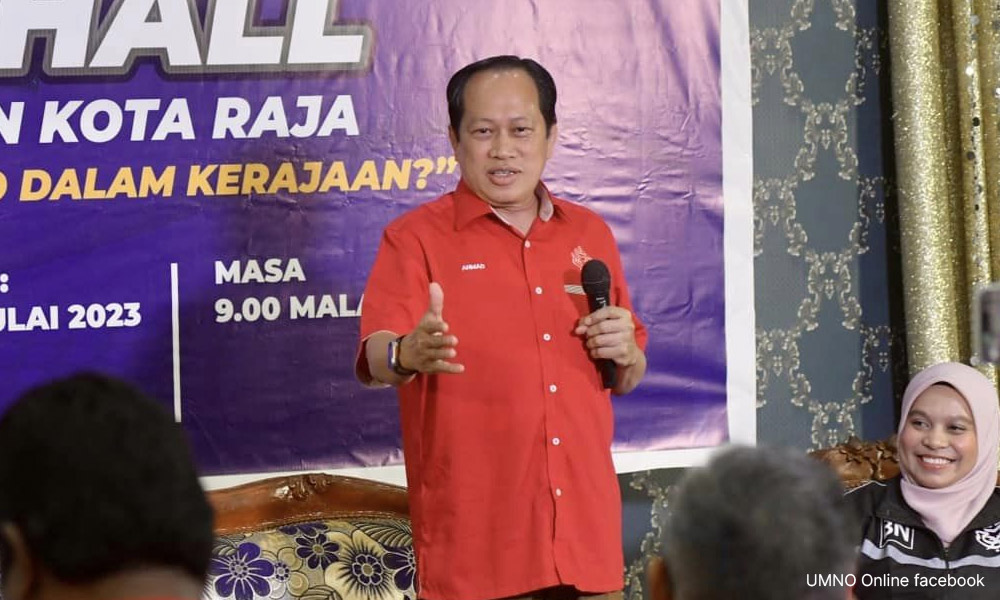
Ahmad Maslan did not embarrass Pakatan Harapan. He merely described the political reality that Harapan has allowed itself to drift into.
While campaigning in Negeri Sembilan, Ahmad argued that Prime Minister Anwar Ibrahim would not dare remove Umno ministers, deputy ministers or agency chairpersons because Umno’s 30 parliamentary seats are essential to the government’s survival.
He even suggested that if Gabungan Parti Sarawak moved together with Umno, the unity government would lose its parliamentary majority.
Although he insisted Umno would remain with the government until the end of the parliamentary term, the message was impossible to miss. Umno appears to believe it now holds the stronger hand.
The real embarrassment is not that Ahmad said it. The real embarrassment is that many Malaysians now believe it.
This did not happen because of one speech. It happened because Harapan has steadily lost the political leverage it once possessed. Johor was not an isolated defeat. Sabah was not an isolated defeat.
Negeri Sembilan is raising the same questions. If this pattern continues into the next state election, it becomes increasingly difficult to argue that these are separate setbacks rather than part of a larger political shift.
Every setback has narrowed Harapan’s room to manoeuvre. A coalition that once looked like a partnership increasingly appears to operate on terms set by those who know they are indispensable.
The confidence now displayed by some of Harapan’s partners did not appear overnight. It grew as Harapan’s political dependence became more obvious.
There is an irony here that Harapan should recognise. Bersatu went through something similar after the Sheraton Move.
It became so focused on holding federal power that it neglected the political foundations needed to sustain that power. The result was a party that remained in government while steadily losing public support.
Public confidence
Today, Harapan risks falling into a different version of the same trap. Remaining in Putrajaya has become the priority, while rebuilding public confidence has become secondary.
That shift has consequences far beyond election results. It changes the balance of power within the government itself. Coalition partners who know they are indispensable naturally gain greater influence over major decisions and become more confident in defending their own interests.
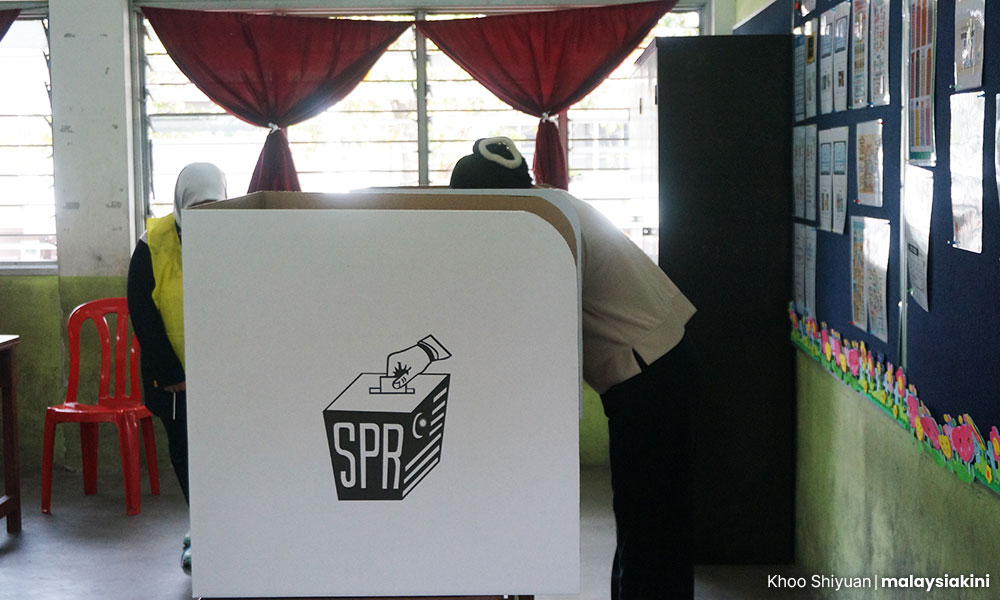
The reality revealed during the campaign was not created overnight. It was the product of years of declining political capital.
Public confidence is not lost through a single policy or one controversial speech. It fades when people begin feeling that the government no longer understands the pressures they face.
Business owners speak of rising compliance costs and regulations that become more complex with every passing year. Employers struggle with labour shortages while waiting for decisions that take months to materialise.
Ordinary families hear encouraging economic figures, yet continue worrying about groceries, utility bills and whether their income can keep pace with the cost of living.
Individually, these issues may appear manageable. Together, they create a growing perception that the government is becoming increasingly disconnected from everyday realities. Once that perception takes hold, rebuilding confidence becomes far more difficult than losing it.
Governance
What matters is not one campaign speech, but what it revealed. The issue is no longer whether Harapan can remain in government. The bigger question is whether it can continue governing from a position of strength.
Coalition agreements can keep a government alive, but they cannot replace the political authority that comes from a strong electoral mandate. When that authority weakens, compromise gradually gives way to dependence.
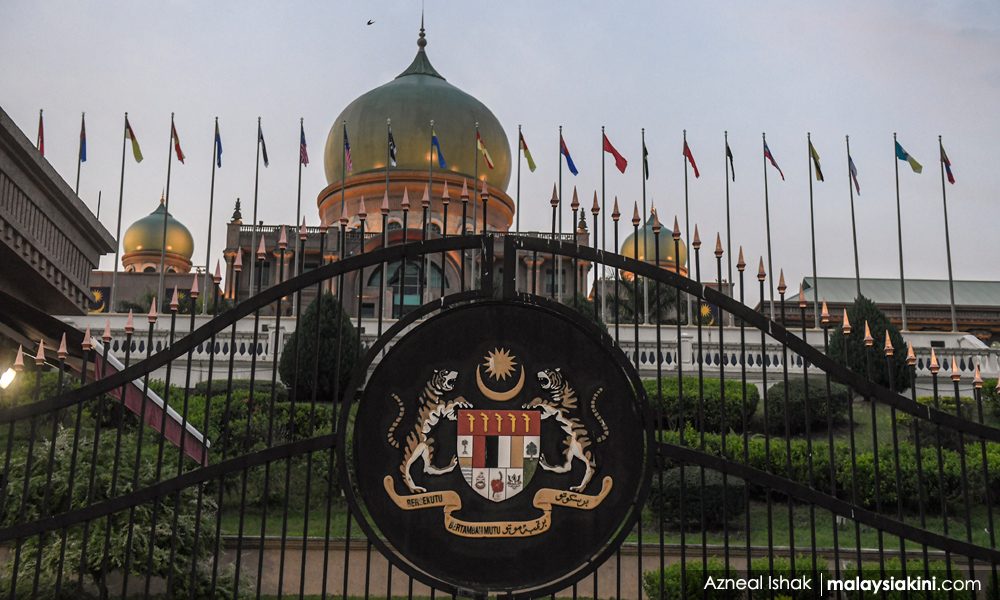
Harapan cannot negotiate its way out of a problem created by declining public confidence. Political leverage cannot be secured through coalition arithmetic alone. It has to be rebuilt where it was lost in the first place: among the voters.
Ahmad’s remarks may soon be forgotten. What should not be forgotten is the political reality they exposed. A coalition survives through numbers, but it functions through influence.
If Harapan wants to shape the government’s direction rather than simply remain part of it, restoring that influence has become its most important political task. - Mkini
MAHATHIR MOHD RAIS is a former Federal Territories Bersatu and Perikatan Nasional secretary. He is now a PKR member.
The views expressed here are those of the author/contributor and do not necessarily represent the views of MMKtT.

No comments:
Post a Comment
Note: Only a member of this blog may post a comment.