


This weekend, starting from Friday, PSM will kick off its 28th National Congress, which will be held at the Capitol Selayang Hall.
More than 200 delegates are expected to attend the three-day congress, which is the highest decision-making body of the party. PSM was founded in 1998 but only registered after a long battle with the state in 2008.
While PSM's congress may not attract the attention of bigger parties whose congresses are often filled with drama, announcements, or controversy, PSM remains the largest left party in the country, guided by democratic socialist principles and standing as the sole opposition to the neo-liberal stances embraced by most mainstream parties.
The highlight of this year's congress would be the party election and preparations for the general election. This year, there will also be a cultural night and additional booths to portray the party’s work. Let me walk you through what to expect from this year's PSM congress.
Party election
Except for the election of party chairperson and honorary treasurer, all other positions will be contested. PSM has a unique election system where party members are encouraged to stand for at least one position if they are nominated. This is to encourage greater democracy and participation of members.
This year, however, for the position of chairperson, Dr Michael Jeyakumar Devaraj has been returned unopposed after two of his challengers withdrew their candidacies.

Similarly, the post of honorary treasurer was returned unopposed after the contender also withdrew her nomination. S Mathavi, the current deputy treasurer, will replace Soh Sook Hwa, who had been the treasurer for her full term of 10 years.
For the post of deputy chairperson, it will be a five-cornered fight, while the powerful secretary-general position will see a rematch similar to the last party election between incumbent M Sivaranjani and Suresh Kumar.
For the Central Committee positions, a total of 52 delegates are eyeing the nine positions offered.
PSM is perhaps the only party where there will be an election for the Disciplinary Committee, which will be independent from the party's Central Committee. This is to ensure party members are not victimised if they dissent from party positions or go against party leadership.
A five-member committee will be elected. This year, 42 people were nominated for the five positions. There will also be elections for the party's two internal auditors, where 20 people have been nominated.
Besides this, the speaker to conduct the party motions will also be elected from the floor. This year, for the first time, PSM has outsourced the conduct of its internal election to Muda.
Debating chairperson’s address
The party congress will kick off on Friday at 3pm, with invitations sent to other political parties, NGOs, and especially the members of the progressive force - Muda, Parti Rakyat Malaysia, and Parti Orang Asli. The ambassadors of Cuba and Venezuela are also expected to grace the opening ceremony.
Jeyakumar, the chairperson, will read out his congress address, which, among other things, will cover a wide range of topics - from international and national matters to party matters.
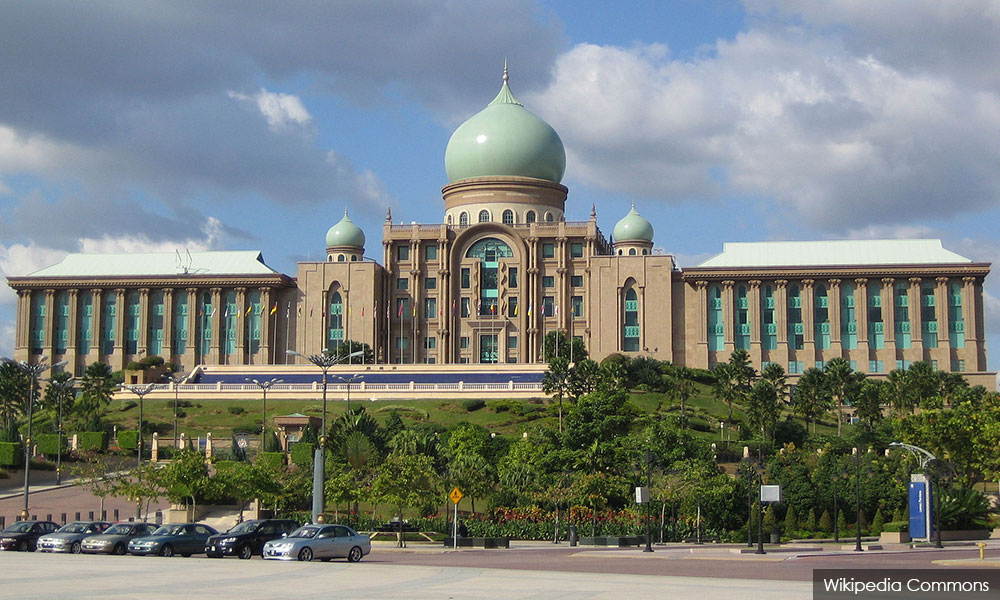
Among the topics the party chairperson will cover would be the disappointing performance of the Madani government, where electoral change did not bring electoral reform. He will also speak about the huge powers in the hands of the prime minister as well as the corporate sector.
He will also talk on low wages, where 60 percent of the population earn a household income of less than RM5,000 - a figure which the government claims would be adequate.
Other issues to be addressed would be racial issues, and what the party and the progressive forces should focus on in the coming general election, and how prepared party candidates must be. He will also speak about the importance of social media.
On the international front, Jeyakumar will talk about the ongoing imperialist wars waged by the United States, the trade imbalance, and the need for a new Bandung.
A total of 23 delegates from various states will debate the chairperson's address on the first day.
Motions, resolutions
The party received a total of 35 motions, and after going through and verifying if they have reached the threshold, it finally approved 19 motions, covering three major themes: new campaigns, structures, and policies. Among the interesting motions for debate are:
Party’s need to campaign for local government elections
A new campaign to fight racism
Setting up a permanent Skuad Merah similar to PAS' Unit Amal
Party campaign should focus on living wage rather than minimum wage
The need for a special sitting to discuss weaknesses in the current sexual harassment procedure
Party members' usage of artificial intelligence

Besides the 19 motions, another matter which is up for debate is the resolutions. Resolutions are suggestions and demands for reforms proposed by PSM branches to be raised by the party to the government of the day.
Thirty-seven such resolutions have been tabled, and after debates, most likely it may be reduced to 15.
Among the proposed resolutions to the government this year would be:
Increasing the minimum wage
Protecting public healthcare centres and curbing private hospitals
House and rental price control
Food security
Enhancing public transportation in rural areas
Free education
An independent judiciary
Tougher penalties for employers who violate labour laws
Gender discrimination
Another highly anticipated session would be the one on the party's discussion on the coming general election. The session will discuss the recent party outings in Skudai and Rahang, and what should be the main focus for the GE.
PSM has been working with Muda on the basis of a progressive bloc.
Has the party progressed?
For many people who have observed PSM, it may seem that the party has not progressed much because of election results. A recent article in The Sun re-emphasised that PSM and its politics are still relevant in spite of electoral defeats.
Being a founder of the party, I could only see the changing landscape of the party.
PSM at one time was seen more as an Indian party, with Malays shying away from the party. Since last year, our Malay members have risen to 56 percent, making Malays the largest group in the party.

Previously, 80 percent of PSM members were those who became members after being part of a local struggle - plantation workers, urban settlers, etc - but today, most PSM members are those who learned the ideology from online platforms and have become interested.
The party continues to attract young members who see PSM as the real change and future. These new members in their 20s are attracted to party issues such as housing and health issues.
PSM continues to be the only stable left-wing party in the country which would defend the left agenda. Today, we stand trying to form a progressive bloc.
In a recent discussion with some journalists during the election, the journalists said that they see PSM's kind of news and activities differ much from mainstream politics, which talks only about race politics or corruption.
One thing is clear: PSM continues to be the voice of the marginalised and the downtrodden. PSM continues to voice progressive policies rather than populist politics.
And this year, PSM has already purchased a permanent office space owned by the party. We will be moving into the new office most likely by the end of the year.
PSM may not be winning elections, but we are definitely growing stronger by the day - slowly but surely. - Mkini
S ARUTCHELVAN is PSM deputy chairperson.
The views expressed here are those of the author/contributor and do not necessarily represent the views of MMKtT.

No comments:
Post a Comment
Note: Only a member of this blog may post a comment.