


Two recent incidents involving Rohingya refugees have raised serious concerns over the protection afforded to refugees and asylum seekers in Malaysia.
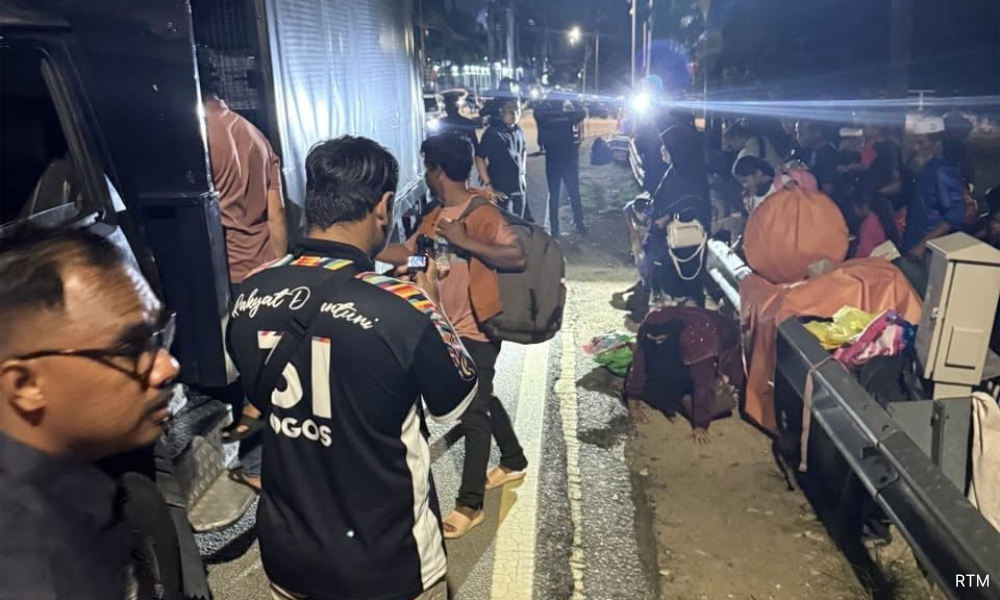
These concerns follow the displacement of Rohingya refugees in Penang and the subsequent detention of more than 100 individuals after they travelled to Kuala Lumpur to seek assistance from the United Nations High Commissioner for Refugees (UNHCR).
The refugees reportedly travelled to Kuala Lumpur after being evicted from their homes in Penang.
These events are particularly concerning in light of recent statements on the possible repatriation of Rohingya refugees to Myanmar.
The Malaysian government must clarify the scope, legal basis, and safeguards applicable to any proposed repatriation. Any return must comply with the principle of non-refoulement, a cornerstone of international refugee and human rights law.

Non-refoulement prohibits the return, removal, or transfer of an individual to a country where there are substantial grounds to believe they would face persecution, torture, or other serious violations of their fundamental rights.
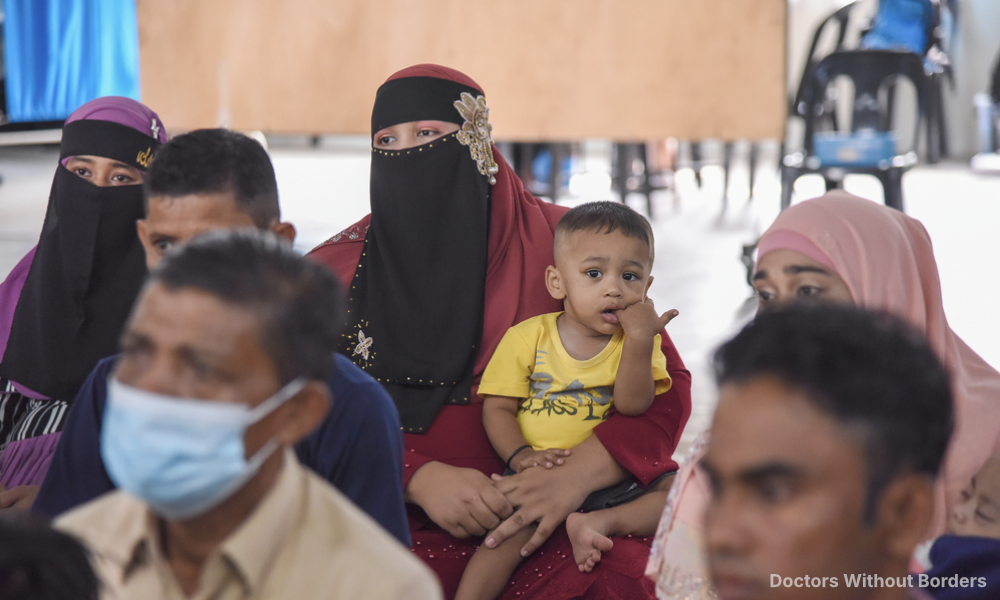
This principle is particularly significant in relation to the Rohingya, whose displacement from Myanmar is rooted in longstanding persecution, discrimination, statelessness, and denial of fundamental rights.
The ongoing conflict and insecurity in Myanmar further heighten the risks associated with return.
Malaysia’s non-signatory status to the 1951 Convention relating to the Status of Refugees should not be understood as permitting the return of individuals to situations where they face a real risk of serious harm.
Voluntary return is essential
Any repatriation must therefore be voluntary, informed, safe, and dignified.
Voluntariness must be assessed substantively. A person who has been rendered homeless, detained, deprived of lawful means of subsistence, or otherwise placed under coercive conditions cannot meaningfully be regarded as having freely chosen to return merely because they subsequently agree to leave.
Any proposed return must also be subject to an individual assessment of protection needs, including access to appropriate legal and humanitarian assistance. Collective or blanket removal of Rohingya refugees would be inconsistent with these safeguards.
The socioeconomic circumstances of Rohingya refugees in Malaysia must also be addressed.
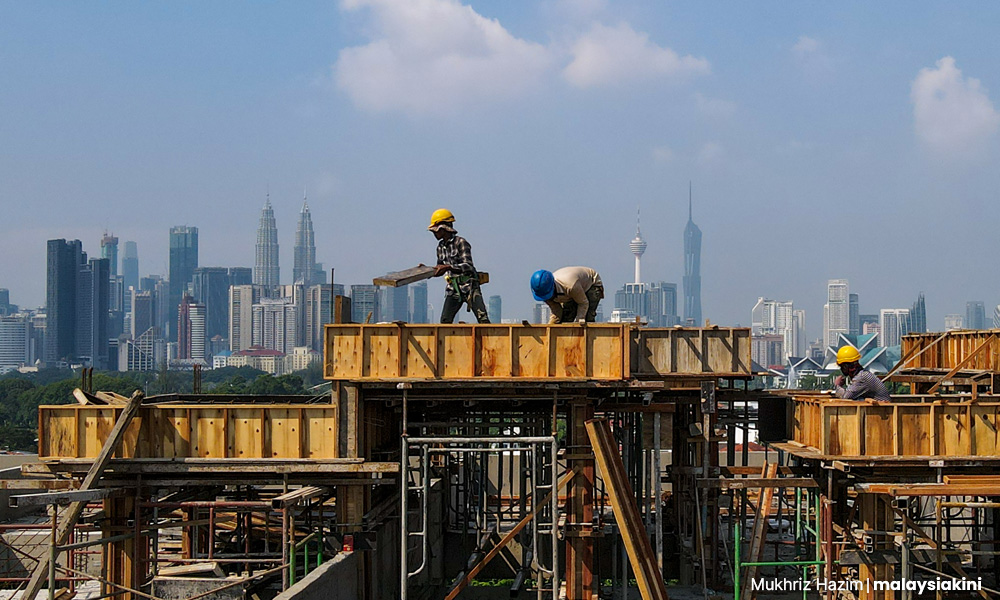
Refugees currently lack a formal legal pathway to employment and are therefore often dependent on humanitarian assistance or pushed into informal and precarious employment.
This restricts their ability to achieve self-sufficiency and contributes to their vulnerability to exploitation, while simultaneously placing additional burdens on humanitarian organisations, civil society, and public resources.
Malaysia should therefore consider establishing a regulated pathway to lawful employment for refugees, supported by public-private partnerships involving government agencies, employers, industry associations, UNHCR, and civil society organisations.
Helping them helps us too
A controlled system of registration, verification, skills matching, and employment in sectors experiencing labour shortages could allow refugees to contribute to the Malaysian economy while providing appropriate safeguards on wages, labour rights, occupational safety, and employer accountability.
Such a framework would reduce dependence on humanitarian assistance, mitigate exploitation, and provide the government with greater oversight of refugee employment.
Importantly, economic deprivation should not become an indirect mechanism through which individuals are pressured into returning to a country where they face persecution or serious harm.
Refugee protection and economic self-reliance are interconnected. Providing lawful avenues for refugees to support themselves can reduce vulnerability while easing the humanitarian and enforcement burdens borne by the state.
The government should accordingly:
Clarify the legal basis and scope of any proposed repatriation of Rohingya refugees to Myanmar;
Ensure that no individual is returned where there are substantial grounds to believe that they would face persecution, torture, or other serious harm, in accordance with the principle of non-refoulement;
Ensure that any return is voluntary, informed, safe, and dignified, following an individual assessment of protection needs; and
Establish a regulated framework for lawful refugee employment and self-reliance.
Until there is full compliance with the safeguards set out above regarding repatriation, the Rohingya refugees concerned should be afforded a safe haven in Malaysia under appropriate humanitarian conditions.
To ensure transparency and accountability, the government should publicly state the safeguards, procedures, and criteria that will govern any proposed repatriation.
The existence of an agreement with the relevant government of Myanmar must not, in itself, justify or facilitate the repatriation of Rohingya refugees where these safeguards have not been fully satisfied.
Until such compliance is demonstrated, the refugees should not be repatriated.
Malaysia has legitimate interests in maintaining public order, regulating immigration, and managing its labour market. These interests can, however, be pursued alongside appropriate protection mechanisms.
The absence of a domestic refugee framework cannot justify returning individuals to situations where they face persecution or serious harm, nor should economic vulnerability be allowed to become a substitute for a lawful and humane refugee policy.
Where safe and dignified return cannot be established, non-refoulement must prevail.
Hakam strongly emphasises that individuals must not be returned to a situation in which their lives, liberty, or fundamental rights are at serious risk. - Mkini
M RAMACHELVAM is Hakam president.
The views expressed here are those of the author/contributor and do not necessarily represent the views of MMKtT.

No comments:
Post a Comment
Note: Only a member of this blog may post a comment.