


The Malaysian Council for Tobacco Control (MCTC) welcomes the Perak government’s decision to defend its policy to end the sale of electronic cigarettes and vape products in the state despite a judicial review challenge brought by representatives of the vape industry.
MCTC considers Perak’s position an important exercise of government responsibility to protect public health, particularly children and young people, from nicotine addiction.
The judicial review filed on March 18 reportedly challenges whether the Perak government acted beyond the powers conferred by law.
The Perak government has stated that its policy is implemented through the licensing powers of local authorities under the Local Government Act 1976, with the non-issuance and non-renewal of licences for premises selling vape products. The policy is being phased in, with existing operators given a transition period until October.
MCTC stresses that the pending judicial review should be allowed to determine the legal question. However, the challenge must not be misrepresented as establishing that the state government has no legitimate role in protecting its population from the harms of vaping.

High Court judgment
The recent High Court judgment in Malaysian Council for Tobacco Control and two others v health minister and one other provides important guidance on the responsibilities of government when making decisions affecting public health.
The court held that governmental policy decisions are not automatically immune from judicial review. Where a decision exceeds statutory authority, is unreasonable or arbitrary, violates relevant legal requirements or fails to take account of fundamental rights and other relevant considerations, it may be subjected to judicial scrutiny.
More importantly, the court found that the protection of public health and Malaysia’s international commitments under the World Health Organization Framework Convention on Tobacco Control (WHO FCTC) and the Convention on the Rights of the Child (CRC) were relevant considerations in governmental decision-making.
The court expressly found that the minister had breached the duty to protect public health and failed to act consistently with those international commitments in the circumstances of that case.
The judgment also emphasised that matters concerning the right to health warrant heightened scrutiny because the minister was entrusted by Parliament to protect public health and, as far as possible, ensure a clean and healthy environment for people in Malaysia.
This is highly relevant to the current national debate on vaping.

Don’t wait for harm to become irreversible
The court record itself recognised the serious public-health concerns associated with nicotine and vaping, including nicotine addiction among young people.
The evidence before the court included concerns about increasing youth use, nicotine concentration, initiation of smoking and the broader health risks associated with e-cigarettes and vape products.
The court further noted that, before the 2023 exemption, nicotine was classified as a Group C poison and subject to restrictions under the Poisons Act 1952.
The lesson for policymakers is clear: public-health regulation should not be reduced to taxation and revenue collection.
Indeed, the judgment records that the exemption of nicotine liquids and gels from the Poisons List was linked to the imposition of excise duty, while the court considered whether relevant health considerations had been properly considered.
MCTC therefore reiterates that taxation may be one instrument of tobacco control, but it cannot substitute for effective measures to reduce the availability, accessibility and attractiveness of addictive nicotine products, particularly to young people.
Perak should be supported, not undermined
Perak’s approach is significant because it uses the licensing powers available to local authorities to progressively remove commercial access to vape products.
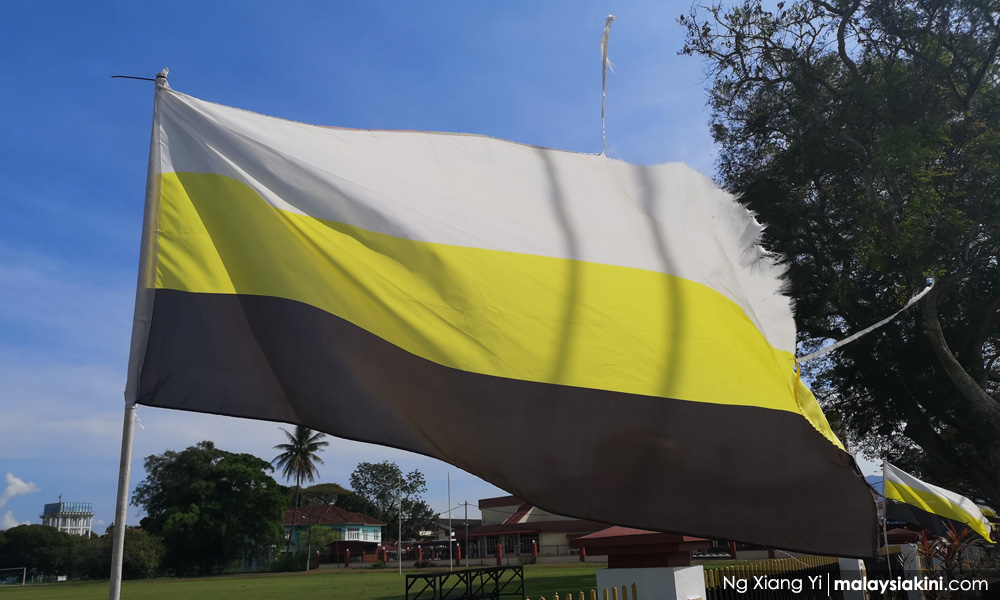
The parliamentary special select committee on health has itself recorded that local authorities can use their licensing powers to control the sale of vape products, although local authority enforcement faces practical and legal limitations.
MCTC, therefore, urges all parties to distinguish between two separate questions:
Whether vaping should be controlled in the interests of public health; and
Whether the particular legal mechanism adopted by the Perak government falls within the powers conferred by law.
The Perak government has stated publicly that its policy is intended to protect public health, particularly the younger generation. Its determination to defend that policy in court is therefore welcomed by MCTC.
Consistent national policy urgently needed
The different approaches taken by federal and state authorities also underline the need for the federal government to provide a clear and coherent national policy on vaping.
Act 852 was enacted to regulate smoking products, including vaping products, with objectives that include protecting public health and preventing access by minors.
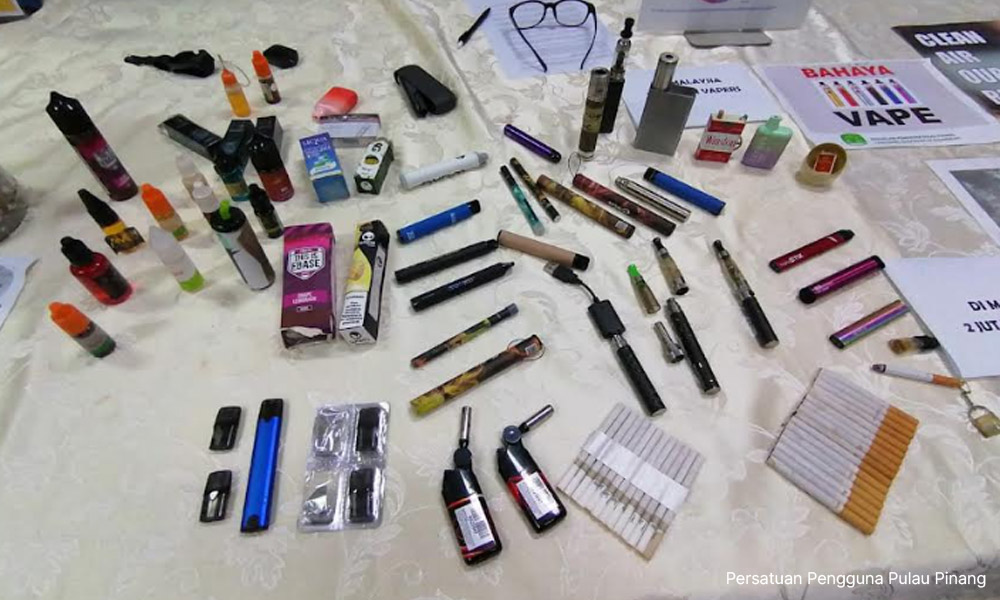
The High Court judgment records that Act 852 subsequently came into force on Oct 1, 2024, and introduced a comprehensive regulatory framework for smoking and vaping products.
However, regulation of a harmful and addictive product and progressively eliminating its availability are not necessarily contradictory objectives.
Where evidence demonstrates that existing controls are inadequate, governments should be able to adopt stronger measures within their lawful powers.
MCTC therefore calls on the federal government to:
support states and local authorities that take stronger lawful measures to reduce the availability of vape products;
clarify urgently the legal relationship between Act 852 and the Poisons Act 1952, particularly following the High Court judgment and the Government’s withdrawal of its appeal;
close remaining regulatory gaps concerning nicotine-containing products, product composition, nicotine concentration, flavours, devices and sales;
strengthen enforcement against illegal and unregistered products, including products supplied to children and adolescents; and
establish a clear national pathway towards Malaysia Bebas Rokok 2040, with prevention of nicotine addiction among children and cessation among existing users as central objectives.
Public health must remain the overriding consideration
MCTC recognises that judicial review is an important safeguard against unlawful exercise of government power. A government must act within the law, and its decisions must be capable of withstanding legal scrutiny.
But the rule of law and public-health protection are not competing principles. They are complementary.
The High Court itself stressed that public authorities are not engaged in ordinary litigation to defend private interests, but in a common enterprise with the courts to uphold the rule of law in the public interest.
MCTC therefore supports Perak’s right to defend its policy before the courts and hopes that the judicial review will provide useful clarification on the scope of State and local-authority licensing powers.
The ultimate test of tobacco and nicotine policy must not be how much revenue a product can generate, but how effectively government protects its people - especially children - from addiction and preventable disease. - Mkini
The views expressed here are those of the author/contributor and do not necessarily represent the views of MMKtT.

No comments:
Post a Comment
Note: Only a member of this blog may post a comment.