


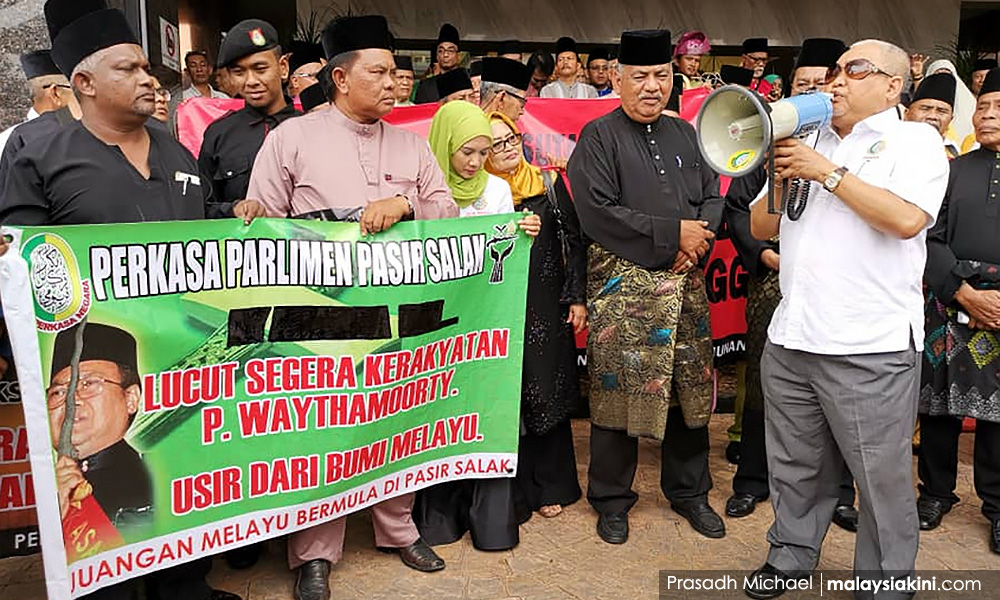
Malay rights agitators threatened to “run amok” if the Indian community persisted in implicating Malays in the Seafield Sri Maha Mariamman temple riots.
This ahead of the Umno-PAS anti-Icerd rally tomorrow at Dataran Merdeka, on the same day an International Human Rights Day event was to held at Padang Timur. Police have now asked Suhakam to postpone the latter.
As I do not read the Malay language papers I cannot fairly comment on how Perkasa’s jihad rally and threats of mengamukwere framed and represented.
But one can safely guess that the Perkasa-PAS-Umno support base is more likely to get its information from the Malay language media where the justification for “running amok” would be framed in the interest of its predominantly Malay readership, just as the Chinese and Indian press would slant their news to the political concerns of its respective audiences.
Wikipedia notes that “amok” originated from the Malaysian/Indonesian word mengâmuk. Roughly defined, to run amok is “to make a furious and desperate charge”. Although used colloquially in a less-violent sense, as Perkasa leader Ibrahim Ali had claimed, the phrase is particularly associated with a sociopathic culture-bound syndrome.
It involves a period of brooding followed by a sudden outburst of indiscriminate murderous frenzy, sometimes provoked by insults, jealousy or sense of desperation.
Which underscores this question - are those living under strict religious codes and cloistered communities more predisposed to mengamuk than city dwellers?
Perkasa’s jihad rally and threats of running amok show that organised bigotry is as entrenched among the Ketuanan Melayu provocateurs just as religious fundamentalism is embedded among the Islamists despite the apparent contradictions of such beliefs with the teachings of Islam.
What more can be said about this siege mengamuk mentality? My point here is simple. Great nations need great citizens, not irrational crazies rallying in a murderous frenzy. What makes a country great is its social capital – the people, their moral character, their values for hard work and excellence plus their drive and capacity for self-directed progress. Not a learned dependency on “special rights and privileges” to get ahead.
I wrote three years ago at the peak of the Bersih campaigns that if any change in mindsets and fundamental reforms were to occur in Malaysia, the liberally-educated Malay class must first spark that change from within the Malay heartland. Only they will be able to cause and catalyse the transformation of values and behaviour among the grassroots.
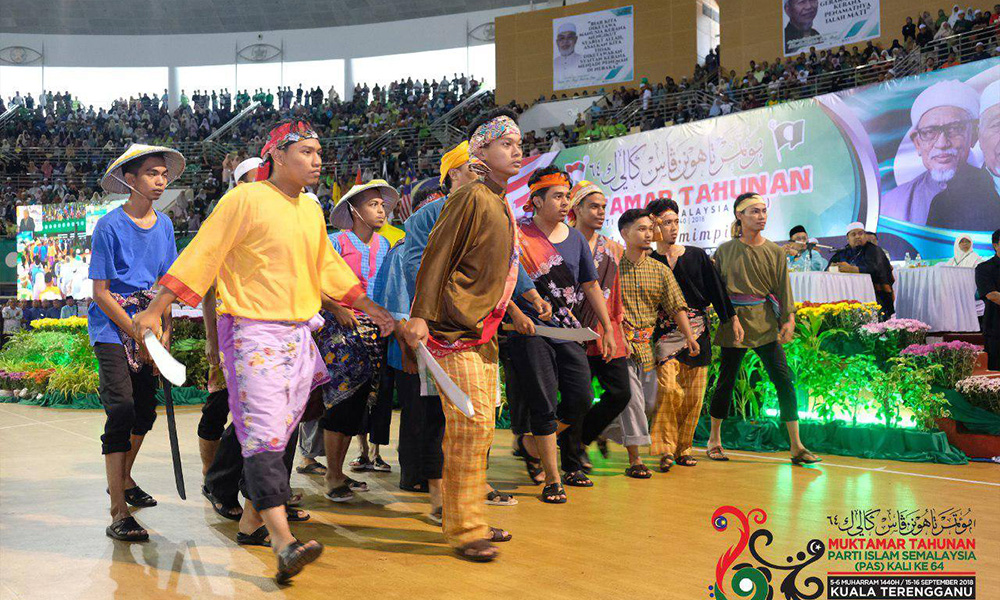
The Malay intelligentsia will be instrumental in shifting and shaping the national conversation and communicating a more enlightened discourse through the Malay language media – particularly in the framing of issues that touch on productive race relations, informed religious dialogue and self-empowerment.
I would urge my colleagues competent in Bahasa Malaysia to translate their articles for dissemination in the Bahasa media outlets to inform the Malay heartland for the sake of every good citizen in Malaysia.
I have also written about how we need to shift our focus from fear-driven racial politics to move forward. My point is that corrupt governance based on an imagined supremacy of a dominant racial group will continue to divide the people and diminish the country.
Martin Luther King Jr said in his struggle against the evils of racial segregation in the US in 1963 that “nothing in all the world is more dangerous than sincere ignorance and conscientious stupidity.”
Silent victims
We felt a surge of optimism with the change of regime. We thought that at last, we could put to bed decades of “sincere ignorance” and “conscientious stupidity” of the BN administration. We were hopeful that the contents and tone of the national conversation would change for the better.
But no. Less than a year on, organised bigotry and the weeds of racism continue to flourish in the public statements of Umno operatives and Islamist leaders as they frenziedly oppose the ratification of the International Convention on the Elimination of All Forms of Racial Discrimination (Icerd) and react to the temple riots. And all this to recoup support from the Malay heartland
Piecemeal journalism that reports in dribs and drabs is limited in showing the cumulative effect of Perkasa’s jihad pronouncement that "bumi ini milik Melayu, jangan di pijik orang". But it is pretty clear in this instance who are the inciters of racial hatred with impunity and who are the silent victims.
Through the lessons of history, non-Malays know the racist – and possibly bloody - backlash and political cost to themselves and the country if they were to move en masse against the Ketuanan Melayu agenda or even dare to question the “social contract”.
The pragmatism of the non-Malays usually trumps the ideals of meritocracy or the fair competition for economic opportunities and equitable access to higher education places.
Reading the recent racist spiel by Perkasa and its ilk, our fundamental differences are like oil and water - insoluble but which I hope will disperse with time. This comes back to my point that only the liberal Malay- educated class can spark a much-needed transformation of the national psyche.
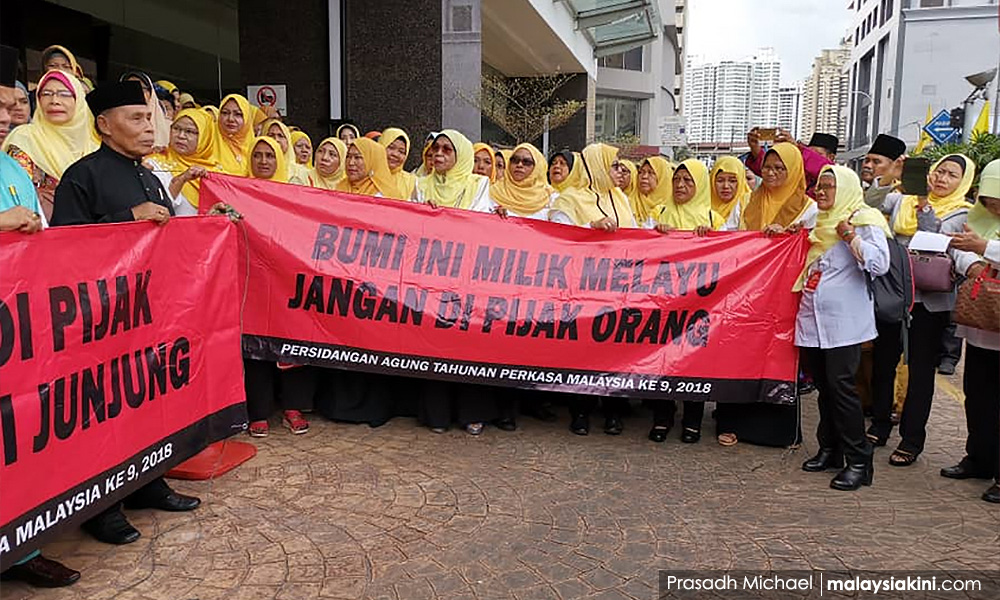
Only they can enlighten the Malay heartland and lead them away from the politics of fear and organised bigotry stoked by the likes of Perkasa, Umno, PAS and their minions.
It is worth reiterating here the resolution by Aliran and numerous NGOs to “uphold five fundamental principles inherent in Malaysian life”.
They are that:
- Islam and all other religions are compatible with human rights and are against all forms of discrimination;
- Article 153 of the Federal Constitution is for affirmative action, not to perpetuate discrimination;
- Major changes affecting Malaysia must involve all Malaysians in deliberation and consultation;
- The government must ensure an effective process of deliberations and consultation by putting in place a proper mechanism and procedures; and
- There must be continual and intentional efforts by everyone to build an inclusive and just Malaysian society.
ERIC LOO is a senior fellow (journalism) at the School of the Arts, English & Media, Faculty of Law Humanities & Arts, University of Wollongong. He is also the founding editor of Asia Pacific Media Educator. - Mkini

No comments:
Post a Comment
Note: Only a member of this blog may post a comment.