


Nearly a week after the United States’ military operation in Venezuela and the capture of President Nicolás Maduro, the region is still absorbing the consequences.
What initially appeared as a decisive intervention has quickly evolved into a wider regional concern, with neighbouring countries tightening security, diplomatic tensions rising, and questions growing over sovereignty, legality, and long-term stability in Latin America.
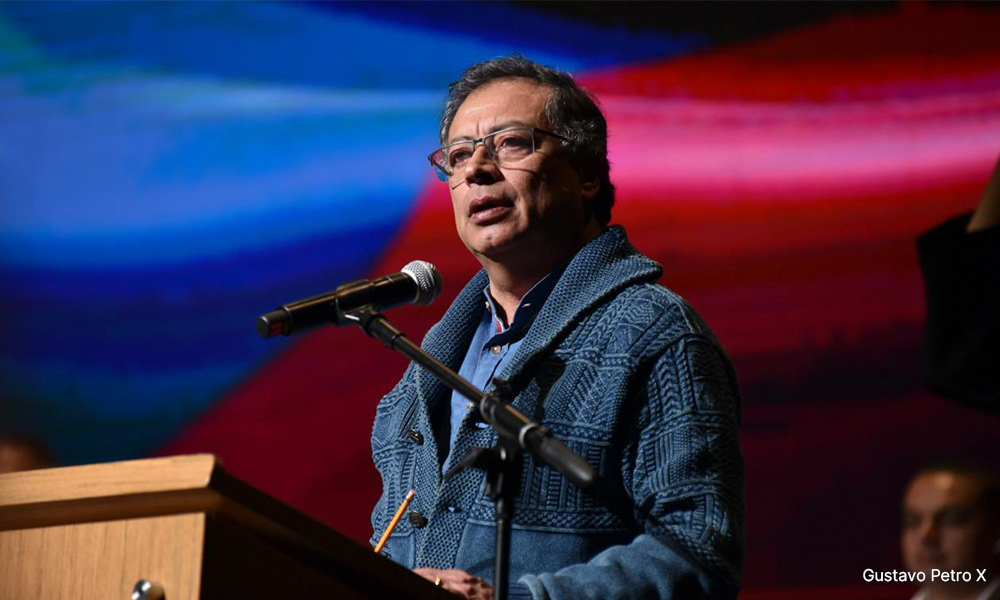
Colombian President Gustavo Petro responded by deploying troops to the Venezuelan border as a precautionary measure. This was not a show of aggression, but a defensive signal.
When a neighbouring country is bombed and its leadership disrupted, the risks multiply quickly. Refugee flows, armed groups, cross-border smuggling, and criminal activity rise almost automatically. Petro’s decision reflects a hard reality. Geography does not allow indifference.
What is striking is Petro’s clear divergence from Washington’s position. He described the US action as an assault on Latin American sovereignty and warned of an impending humanitarian crisis.
At the same time, he called for dialogue, adherence to international law, and intervention by the Organisation of American States (OAS) and the United Nations (UN).
This captures the dilemma facing regional governments. They do not support the attack, yet they cannot afford to appear relaxed when conflict ignites at their doorstep.
The Colombian reaction underlines a critical point. An attack on Venezuela is no longer a domestic matter. It has become a regional problem.
When troops mobilise, borders tighten, and emergency diplomacy is triggered, it signals fragility. One misstep and Latin America risks sliding into a new phase of instability, where, as always, ordinary people on both sides of the border will pay the highest price.
Anwar urges peaceful resolution and release
Malaysia has also voiced serious concern over the developments in Venezuela. Prime Minister Anwar Ibrahim has made it clear that the reported seizure of Maduro and his wife through a foreign military operation represents a grave violation of international law and an unlawful use of force against a sovereign state.
Such actions, regardless of justification, undermine the basic principles that govern relations between nations and weaken the already fragile framework of global order.
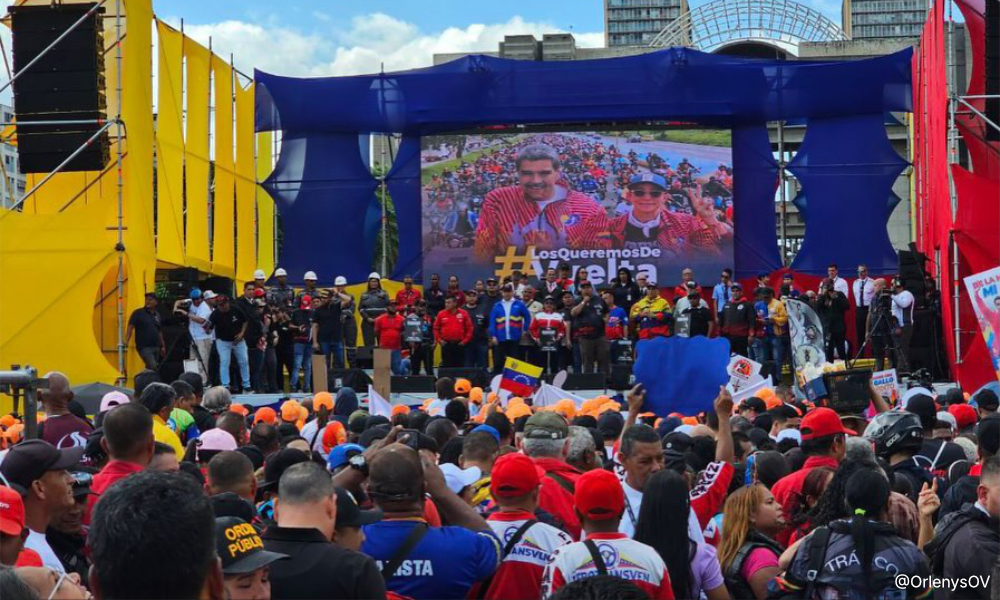
Anwar’s position reflects a consistent Malaysian stance that leadership change must come from the will of the people, not external coercion.
He has stressed that Venezuelans themselves must determine Venezuela’s political future, and that forced intervention will only deepen suffering in a country already burdened by prolonged economic hardship and social strain.
Malaysia’s call for immediate release, de-escalation, and constructive dialogue reinforces the principle that stability cannot be built through shock tactics.
Iranians protest amid inflation and hardship
The situation in Iran mirrors a different but equally dangerous pressure point. Years of economic strain have finally erupted into open anger. The collapse of the rial, runaway inflation, and the rising cost of living have pushed ordinary Iranians to the breaking point.
When wages lose value and essentials become unaffordable, protest is no longer about politics. It is about survival.
This is why the current demonstrations are among the largest since the Mahsa Amini protests of 2022 and 2023.
President Masoud Pezeshkian has attempted a softer tone, promising economic reform and insisting that the government is listening.
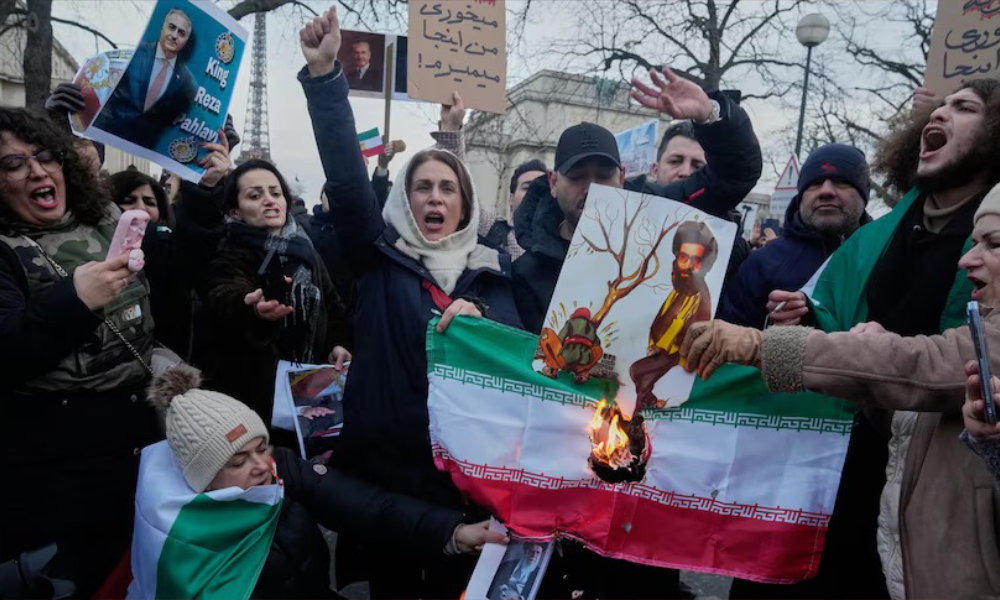
This approach is notably different from the hard responses of the past. Yet at the same time, the state continues to frame unrest through the familiar lens of foreign interference, distinguishing between “peaceful protesters” and “agitators” or “terrorists”.
It reveals an internal contradiction. One hand extends dialogue, the other still grips the security baton.
Externally, the situation is quickly becoming another geopolitical contest. Accusations against the United States, coupled with Donald Trump’s suggestive statements, have only sharpened tensions.
From Tehran’s perspective, foreign pressure validates the claim that domestic unrest is being exploited. From the street, however, global blame games change nothing. People still struggle to afford food, fuel, and basic dignity.
Iran’s protests are not a passing episode. As long as sanctions, weak fiscal management, leakages, and inequality persist, reform promises will ring hollow.
Pezeshkian now stands at a decisive junction. He can pursue genuine economic restructuring that challenges entrenched elites, or repeat the old cycle of promises, foreign accusations, and force. The patience of the Iranian public is visibly thinning.
Venezuela’s oil halt hits Cuba hard
Cuba now finds itself under renewed pressure. Trump has warned that no more oil or financial support from Venezuela will reach Havana unless the country strikes a deal with Washington.
This threat comes at an especially sensitive time, following the disruption of Venezuelan oil supplies and tighter US sanctions. For decades, Venezuela has been Cuba’s main energy lifeline.
That relationship was forged during the Hugo Chávez era and became the backbone of Cuba’s power system.
Shipping data shows that Venezuela was still sending around 26,500 barrels of oil per day to Cuba last year, covering roughly half of the country’s deficit.
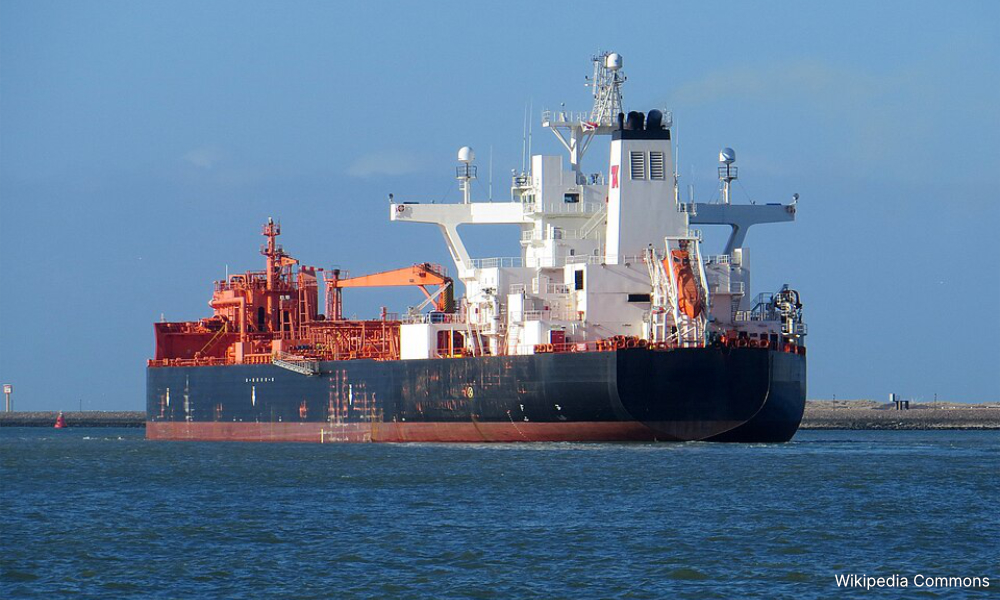
When that flow stopped, the consequences were immediate. Power outages intensified. Fuel shortages became routine. An economy already weakened by six decades of US embargo found itself under even greater strain.
Mexico has tried to help, but in much smaller volumes, far from enough to replace Venezuela.
Havana’s response has been defiant. President Miguel Díaz-Canel rejected Trump’s threats, asserting Cuba’s sovereignty. The foreign minister went further, branding US actions as criminal hegemony that endangers global peace.
This is no longer just about oil. It is about power, ideology, and an old geopolitical struggle between Washington and Latin America that never truly ended.
Global tensions hit citizens first
Ironically, the pressure is also feeding back into the United States. Many Americans want Trump to focus on domestic crises such as housing costs, food prices, and healthcare. When he speaks of “America First” while pushing aggressive foreign actions, grassroots support begins to fracture.
The Cuba episode exposes a larger truth. Oil is not merely a commodity. It is a geopolitical weapon, capable of squeezing small nations while testing the patience of voters in powerful ones.
From Colombia’s border deployment, to Iran’s street anger, to Cuba’s energy crisis, the pattern is clear. These are not isolated events. They are interconnected symptoms of a world where power moves faster than stability and where ordinary people are left absorbing the shockwaves.
When armies mobilise, currencies collapse, and fuel lines lengthen, it is not leaders who suffer first. It is families. It is the workers. It is those who had no role in strategic decisions.
Geopolitics may be played by states, but its cost is always paid by civilians.
The region is on edge. The warning signs are visible. The only question left is whether those in power choose restraint, or whether they allow momentum to drag entire societies into turbulence they did not ask for. - Mkini
MAHATHIR MOHD RAIS is a former Federal Territories Bersatu and Perikatan Nasional secretary. He is now a PKR member.
The views expressed here are those of the author/contributor and do not necessarily represent the views of MMKtT.

No comments:
Post a Comment
Note: Only a member of this blog may post a comment.