


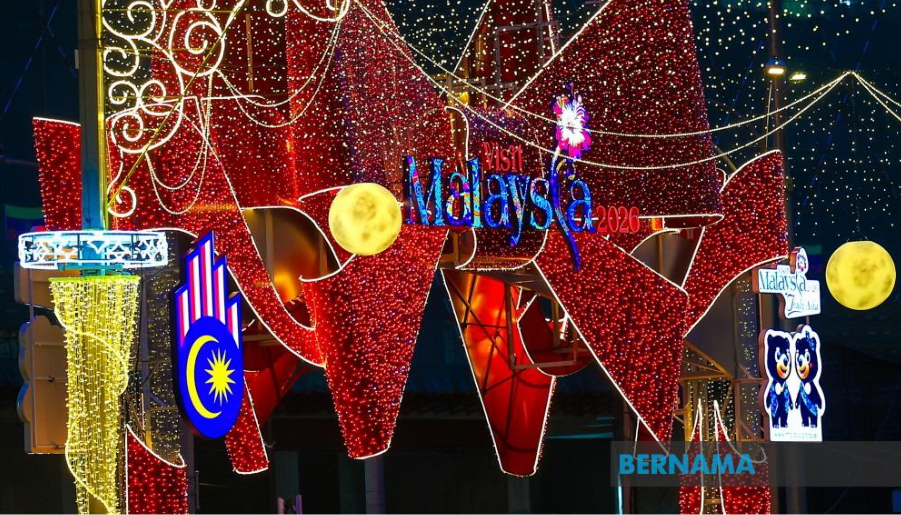
THE recently launched Visit Malaysia 2026 campaign is more than a mere invitation to visit; it is a call to witness Malaysia’s transformation and untapped potential.
Ideally situated as the ASEAN host nation global interest in cultural discovery, connection, and exploration, Malaysia stands ready to welcome the world.
Renowned for its culinary excellence, rich heritage, and vibrant cultural tapestry, the nation is prepared to embrace this global sentiment with the introduction of Visit Malaysia 2026.
One of Malaysia’s greatest assets is its unique gastronomic scene, exemplified by the recognition of Malaysian breakfast culture as an intangible heritage by UNESCO. The Malaysian breakfasts are a reflection of the country’s multicultural harmony, ranging from the humble nasi lemak to roti canai and kaya toast.
Furthermore, Malaysia has the opportunity to introduce its East Coast delicacies, such as keropok lekor, nasi dagang, and satar.
International tourists are comparatively unaware of these flavours, which presents an opportunity for the hospitality and tourism sector to emphasise regional specialties.
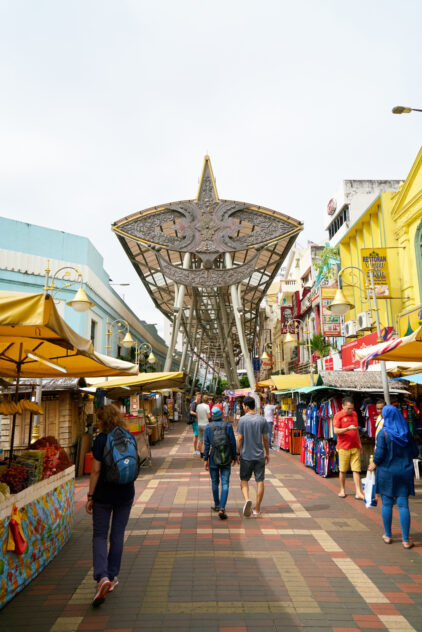
To turn Malaysia into a culinary destination that is a must-visit, aspects such as food trails, cookery classes, and cultural dining experiences can serve as focal points.
The emphasis on sustainability is one of the most noteworthy features of Visit Malaysia 2026. Malaysia’s tourism industry has the chance to set a positive example as the world transitions to more environmentally friendly solutions.
One option is by leveraging the government’s initiative to promote electric vehicles (EVs) through incentives, which is a positive development.
Tour operators and hospitality providers can incorporate electric vehicles (EVs) into their fleets, thereby providing tourists with environmentally favorable transportation alternatives.
This not only correlates with global expectations for responsible travel but also reduces carbon footprints. It is imperative that sustainability go beyond the corporate rhetoric and be extended to grassroots operators.
Additionally, local councils can provide assistance to Penang’s hawker stalls, which are a representation of Malaysian street food culture, in the implementation of food waste management systems.
This method can reduce waste while simultaneously educating operators and visitors on sustainable practices.
Visit Malaysia 2026 is dedicated to revealing the lesser-known destinations and hidden treasures of East Malaysia and the East Coast of Peninsular Malaysia.
Unique experiences can be provided to international travelers by eco-tourism centers in Sabah and Sarawak, pristine beaches along the East Coast, and cultural villages in Kelantan and Terengganu.
These areas can establish infrastructure that is conducive to tourism without sacrificing their cultural authenticity or natural attractiveness with the assistance of the hospitality sector.
The tourism sector has been demonstrated to be a significant contributor to economic expansion, and it is anticipated that Visit Malaysia 2026 will be instrumental in the generation of employment opportunities throughout the nation.
An increase in tourism activity has the potential to benefit every segment of society, from artisans and food purveyors to tour guides and hospitality staff.
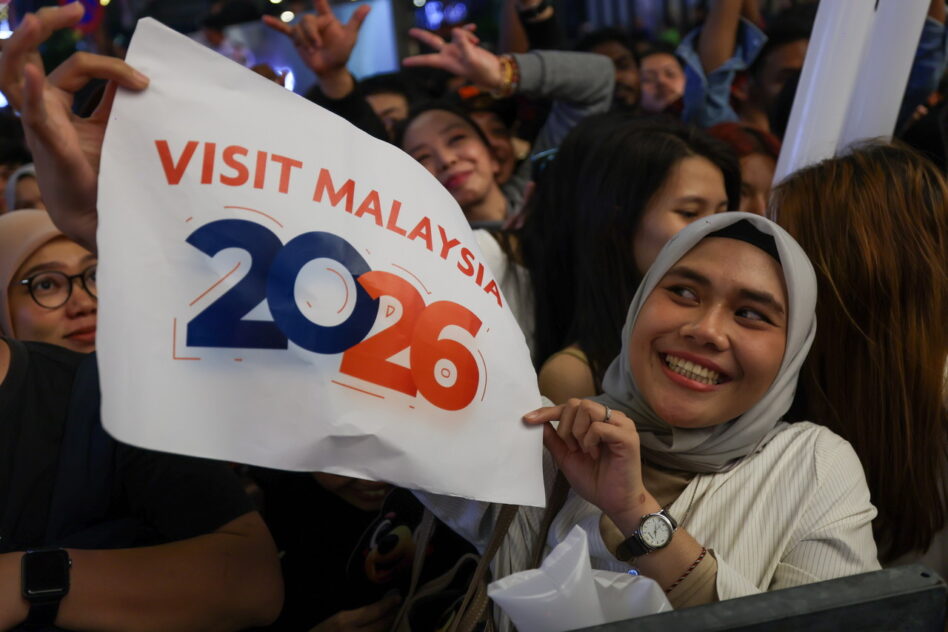
The potential of such campaigns is emphasised by international examples. For example, the “Cool Japan” initiative in Japan resulted in a tourism boom that emphasised the country’s cultural heritage, which in turn drove substantial economic development and an influx of visitors.
In the same vein, Thailand’s emphasis on community-based tourism has resulted in the creation of employment opportunities and the revitalisation of rural regions.
These strategies can be adopted by Malaysia to guarantee that the benefits are distributed throughout the entire society.
There is no better time to exhibit Malaysia’s offerings than now, as regional connectivity is enhancing and global confidence in travel is regaining momentum.
This optimism is stimulated by Malaysia’s proximity to significant Asian markets such as China, India, and Indonesia, as well as improved transport infrastructure and increased regional travel.
Additionally, the campaign is consistent with broader global trends, including a desire for genuine experiences, sustainable tourism practices, and meaningful connections.
Dr Nagathisen Katahenggam is a Senior Lecturer at the School of Hospitality, Tourism and Events, Faculty of Social Sciences and Leisure Management, Taylor’s University.
The views expressed are solely of the author and do not necessarily reflect those of MMKtT.
- Focus Malaysia.

No comments:
Post a Comment
Note: Only a member of this blog may post a comment.