



FOR decades, “Made in the USA” was synonymous with quality, innovation, and economic might. The American industrial juggernaut wasn’t just the engine of its own prosperity; it was the model for the world.
Today, that leadership is contested, and the center of economic gravity has undeniably shifted eastward—first to Japan, then South Korea, and now decisively to China.
This transition wasn’t an accident of history; it was the result of strategies and national priorities. Understanding this is about crafting a viable path forward.
The US did not simply “lose” its leadership; the shift began in the latter half of the 20th century with the rise of formidable competitors who mastered the manufacturing principles America invented.
As Japan focused on long-term industrial growth and market penetration, a fundamental shift occurred in the American corporate ethos.
The rise of “shareholder value” as the primary metric of success incentivised quarterly profits over long-term investment, leading to offshoring production to cut costs, starving R&D budgets, and a decline in the kind of patient capital that builds industrial giants.
Factories weren’t just assets; they were ecosystems of innovation. Letting them decay eroded a critical national capacity.
The belief that the US could transition seamlessly from a manufacturing economy to a pure service economy was a miscalculation. While finance and tech boomed, the foundational skills, supply chains, and middle-class jobs associated with advanced manufacturing withered.
This created economic vulnerability and deep social fractures that continue to plague the nation. National policy became fragmented and reactive, investments in infrastructure stagnated, the education system failed to keep pace with evolving demands, and industrial policy became a dirty phrase left to other nations to embrace and perfect.
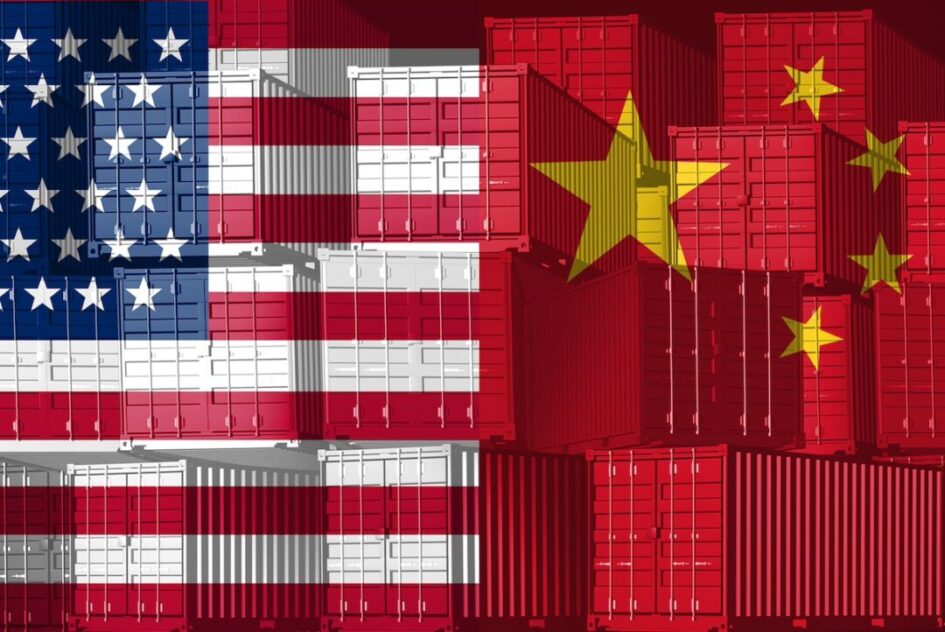
China’s ascent is frequently attributed to cheap labor, but this is a vast oversimplification. Its strategy was multifaceted, disciplined, and executed over half a century.
China’s progress is the product of deliberate, sequential five-year plans. Whether through massive state-directed subsidies, shielding nascent industries from foreign competition, or outright intellectual property transfer, every lever of state power was pulled to build national champions in key sectors—from solar panels and batteries to telecommunications and electric vehicles.
China built the ports, roads, railroads, and power grids that a 21st-century economy requires. Simultaneously, it invested heavily in STEM education, producing millions of engineers and scientists annually, creating talent that fuels its tech ecosystem.
China moved deftly from “Made in China” to “Invented in China”. It first excelled at manufacturing and assembly, absorbing technology and process knowledge.
It then began innovating incrementally, and now, in fields like 5G and drones, it is setting the global standard. Its vast domestic market served as a perfect testing ground, allowing companies to scale before going global.
Regaining leadership for the US is not about replicating China’s state-capitalist model. It is about rediscovering America’s strengths and marrying them with a smarter form of strategic resolve.
The US must shed its ideological aversion to a coordinated economic strategy. The CHIPS and Science Act and the Inflation Reduction Act are strong starts, providing incentives for domestic semiconductor and clean energy manufacturing.
This isn’t about picking winners; it’s about ensuring the nation has capabilities in strategically vital industries. The nation must commit to a multi-decade project of renewing its crumbling infrastructure—its roads, bridges, ports, and electrical grid.
This boosts short-term competitiveness and long-term productivity. Equally critical is a revolution in education. The tyranny of quarterly earnings must be challenged.

Policy should incentivise long-term investment through tax structures that reward capital gains on investments held for five, ten, or twenty years. Pension funds and endowments should be encouraged to invest in domestic productivity and innovation.
America still possesses the world’s best research universities and a culture of groundbreaking innovation. It must double down on its lead in artificial intelligence, quantum computing, biotechnology, and advanced materials.
This requires increased public funding for basic research and public-private partnerships to rapidly commercialise discoveries.
The US should deepen trade and technology partnerships with trusted allies—from the EU to key Asian partners like Japan and South Korea—to create resilient, high-standard supply chains that reduce dependency on any single nation.
The world is not static. Economic leadership is not a birthright; it is earned through vision, investment, and execution.
The 21st century will be shaped by the nation that best masters advanced technology and production. The US has the talent, the capital, and the historical precedent to lead again but it must open its eyes, learn from the past, and commit to the long, hard work of building its future.
The wake-up call has been ringing for years—it’s time to answer it.
The author, Professor Datuk Dr Ahmad Ibrahim is affiliated with the Tan Sri Omar Centre for STI Policy Studies at UCSI University and is an Adjunct Professor at the Ungku Aziz Centre for Development Studies, Universiti Malaya.
The views expressed are solely of the author and do not necessarily reflect those of MMKtT.
- Focus Malaysia.

No comments:
Post a Comment
Note: Only a member of this blog may post a comment.