


Five Perikatan Nasional MPs had filed an originating summons at the Kuala Lumpur High Court on Jan 19 to challenge the Malaysia-US agreement on reciprocal tariffs, as they deemed it unconstitutional, null, and void.
Court documents sighted by Malaysiakini showed that the MPs had named Prime Minister Anwar Ibrahim, the attorney-general, and the government as the first to third defendants.
The MPs, namely Rosol Wahid (Hulu Terengganu), Fathul Huzir Ayob (Gerik), Awang Hashim (Pendang), Mas Ermieyati Samsudin (Masjid Tanah), and Abdul Khalid Abdullah (Rompin), had filed their suit via Messrs Karthig Shan.
In the originating summons application, the MPs are seeking several court declarations, including that Anwar had no constitutional authority to bind the federation to the trade deal.
“(The plaintiffs are seeking) a declaration that the first defendant (Anwar) and the third defendant (the government) have failed to uphold and discharge their constitutional duty of collective responsibility to the government.
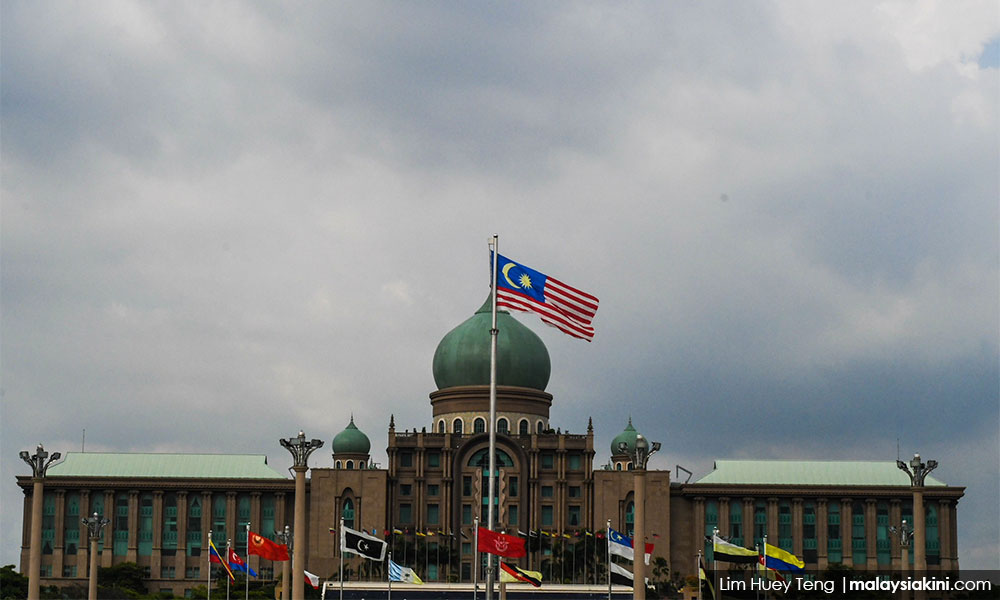
“A declaration that the second defendant (AG) has failed to discharge his constitutional duty to advise the first and third defendant on the constitutional prerequisites required to be satisfied before the federation could lawfully be bound by the trade deals.
“Accordingly, the trade deal between the US and Malaysia dated Oct 26, 2025, should be declared as unconstitutional, null and void (including the outcomes of the deal),” said the documents.
Public interest and constitutional duty
The MPs claimed that they had filed the civil action against the three defendants in the interest of the public and in discharging their constitutional duty to uphold the rule of law and the Federal Constitution.
“The trade deal is an international agreement with material implications to the federation’s rights and obligations.
“Its execution and intended implementation by the first and third defendant raise serious, substantive issues as to constitutional capacity, authority, and procedures (that were) not adhered to by the defendants before binding the federation into an agreement.”
The MPs claimed that fellow lawmakers are being kept in the dark about the full terms of the agreement, as it has not been tabled, debated, or approved in Parliament.
They further argued that both Anwar and the government have yet to identify what legislation authorised them to ink such a deal.
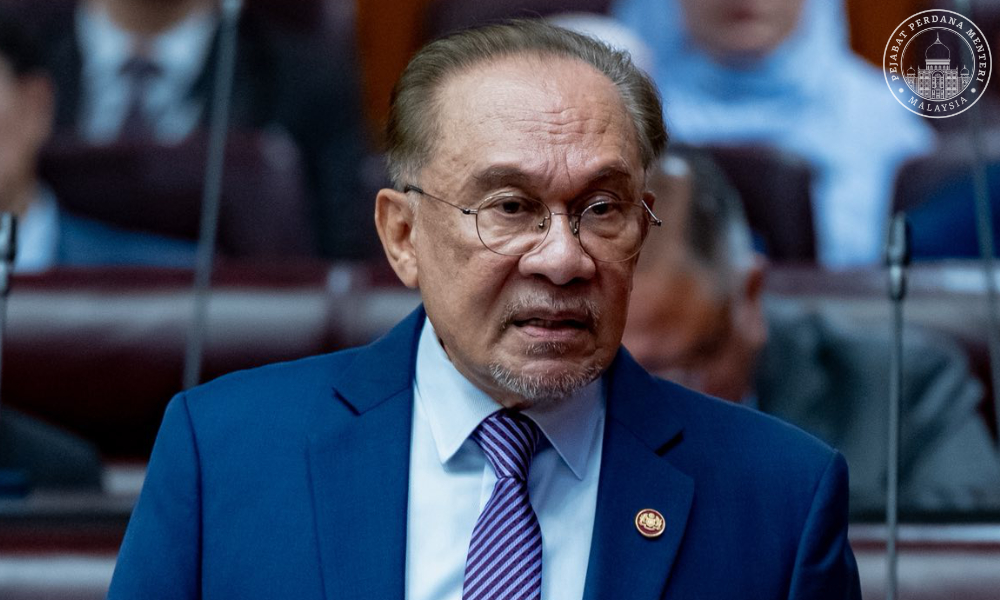
They also claimed that Anwar had acted alone or upon the advice of the AG, even though the government had no constitutional authority to unilaterally commit the federation to the trade deal in the absence of proper constitutional authorisation.
“Any process or reliance upon executive power to perfect the trade deal unilaterally is unconstitutional and misconceived in law.
“There is a real and present risk that such certification may be used by the defendants unilaterally or relied upon notwithstanding the unresolved constitutional defects, thereby purporting to bring the trade deal into force and to bind the federation unconstitutionally.”
Against Constitution
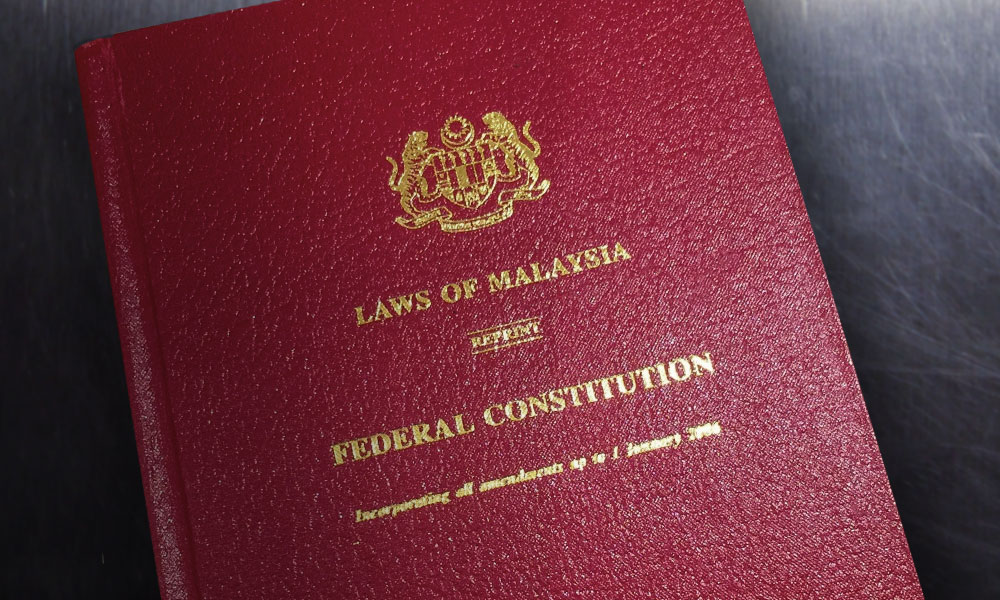
Rosol, in his supporting affidavits, claimed that the defendants’ involvement in inking the deal was against several Articles of the Federal Constitution, including Article 43(3), which establishes the principle of cabinet collective responsibility.
“I am advised by my solicitors and verily believe that the execution and intended implementation of the trade deal give rise to serious constitutional issues, including whether the first and third defendants possessed lawful and constitutional authority to bind the federation to (the said agreement).
“I am further advised by my solicitors that the second defendant has failed or neglected to advise the first and third defendants in accordance with Article 145 of the Constitution.”
The Hulu Terengganu MP further affirmed that Anwar and the government had disregarded the monarchs’ constitutional roles and functions by bypassing the Yang di-Pertuan Agong, Conference and Rulers, and Parliament in procuring, negotiating, securing, executing, and concluding the trade deal.
The filing of the originating summons followed Rosol’s letter of demand issued to Anwar in December last year, urging him to explain the powers that enabled him to sign the trade deal with the US.
Rosol, at that time, said that as an MP, he had the responsibility to seek further explanation after his questions in the Dewan Rakyat on the trade deals were not fully answered.
Anwar had signed the deal on Oct 26, 2025, which is supposed to boost economic activity between Malaysia and the US.
He told the Dewan Rakyat, on Nov 18, that Malaysia stood firm on three key sectors deemed “sensitive” to US interests, namely rare earth, semiconductor, and currency denomination. - Mkini

No comments:
Post a Comment
Note: Only a member of this blog may post a comment.