


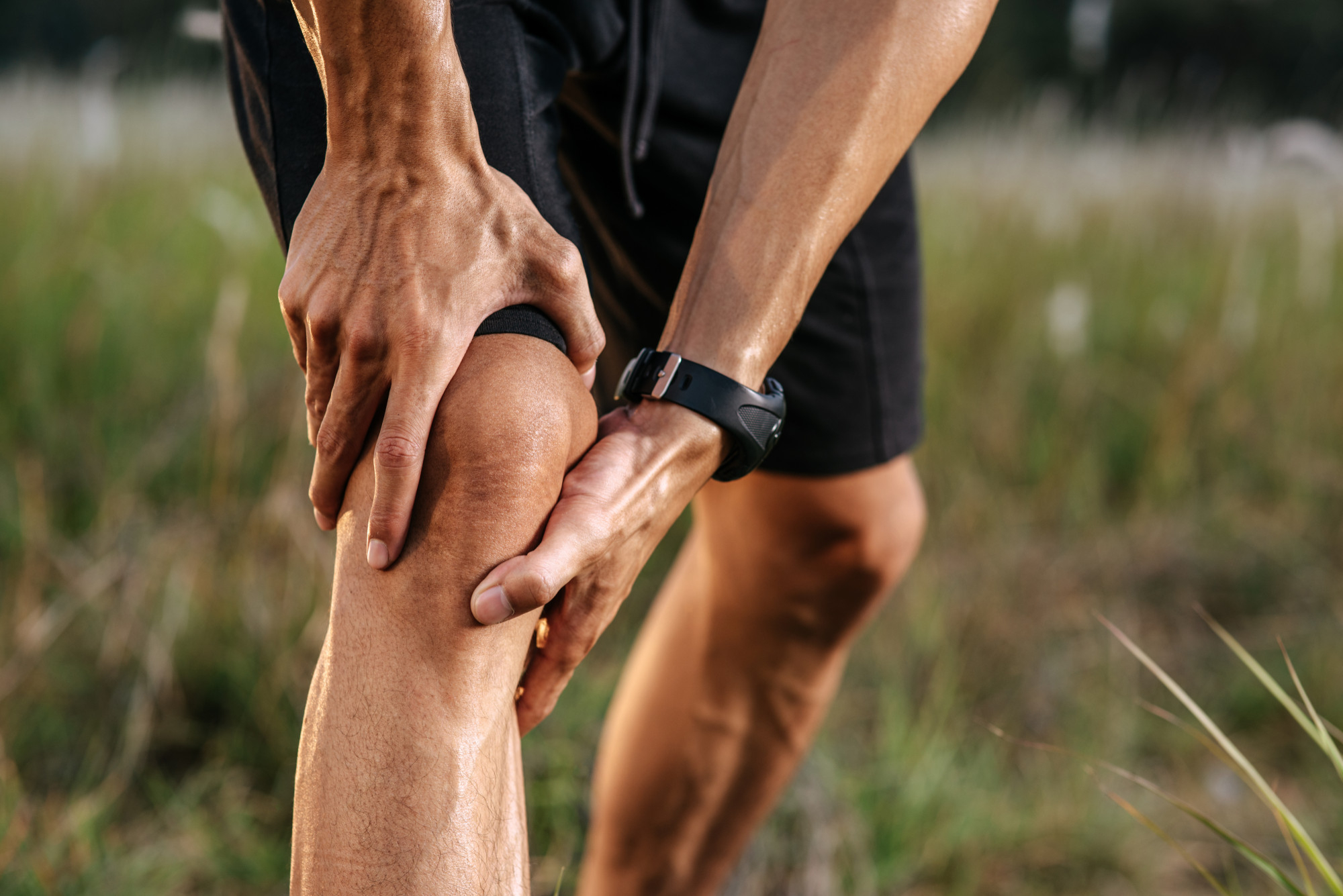
AS the new year kicks off, many Malaysians are hitting the courts, fields, and gyms with renewed determination to get fit. From futsal to pickleball and high-intensity workouts, many are eager to sweat again.
But with this surge in activity comes a noticeable rise in injuries particularly among “weekend warriors”, casual athletes who play hard but train little. The term may sound harmless, but doctors are seeing real consequences.
Sunway Medical Centre consultant orthopaedic surgeon specialising in Arthroscopy & Sport Surgery Dr Mohd Nizlan Mohd Nasir and his colleague consultant sports physician Dr Jasmiza Khuzairi Jasme are seeing a steady rise in patients with preventable injuries.
“We’re seeing more shoulder tears, meniscus damage, and tendon inflammation, especially from sports involving jumping, twisting, or repetitive overhead movements,” said Dr Nizlan.
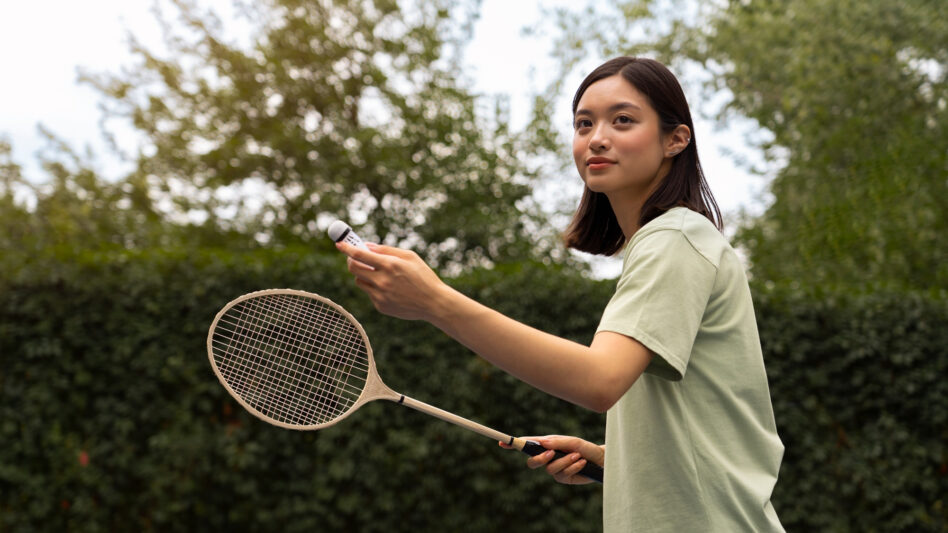
“We also see ACL tears, cartilage injuries, and ruptured Achilles tendons particularly from sports like badminton, futsal, and pickleball.”
Many of these injuries are linked to abrupt changes in activity levels as well. “A sudden return to high-intensity exercise without proper preparation significantly raises the risk,” Dr Jasmiza added.
When soreness signals something more
Muscle soreness after exercise is normal. But persistent pain or symptoms like joint instability, locking, or numbness may signal deeper damage.
“Mild injuries like sprains and contusions usually recover in two weeks. But if symptoms persist or the joint feels unstable, it may be something more serious,” said Dr Nizlan.
Meanwhile, Dr Jasmiza said pain that limits daily activity or interferes with sleep is a sign to get checked.
“Locking, giving way, or numbness are red flags that need medical attention so we can prioritise patient safety and timely care,” he added.
Injuries are not just for the old or out-of-shape
Contrary to belief, it’s not only older or unfit individuals who get injured. “They’re all human, professional or recreational but weekend warriors are more at risk because their muscles aren’t conditioned. Most skip warm-ups and jump straight into play,” said Dr Nizlan.
Dr Jasmiza said lifestyle habits play a bigger role than most realise, adding that prolonged sitting shortens your hip flexors and weakens glutes, affecting posture and balance.
“Add poor movement patterns and muscle imbalances, and injuries become almost inevitable,” he remarked.
Recovery requires patience
Rehabilitation timelines depend on the severity of the injury. “A partial tear might take six weeks to three months. A complete rupture, like ACL reconstruction, can take six months to a year,” said Dr Nizlan.
He stressed that recovery must be balanced whereby too little rehabilitation causes stiff joints and muscle loss while too much and too fast increases the risk of re-injury.
“The key is balance. I always take time to guide patients on what’s normal and what’s to expect, so they aren’t misled by what they read online,” he explained.
Dr Jasmiza concurred, adding that recovery is not just resting but includes proper cooldowns, mobility work, rest days and personalised rehab plans using movement screening and progress tracking.
“Quality sleep from 7 to 9 hours is also important for proper tissue repair and reducing injury risk,” he added.
Don’t play through the pain
Ignoring pain or trying to push through it is one of the most common mistakes weekend athletes make.
“A small tear can worsen into a complete rupture. The body compensates by shifting stress to other areas, which can lead to hip or back pain. That’s how chronic conditions and early osteoarthritis begin,” said Dr Jasmiza.
“Rehab must be tailored to the patient, not based on time. Some push too fast, and the surgical graft fails. Others go too slow and end up with stiffness,” added Dr Nizlan.
Simple steps that make a big difference
“One wrong move could mean months of rehab and nobody wants that kind of timeout. Warm up for 10 to 15 minutes with dynamic movements before any game, not just static stretches. If something feels off, don’t self-diagnose. See a doctor,” advised Dr Nizlan.
“Even GPs are trained to assess sports injuries. If necessary, they’ll refer you to a specialist,” added Dr Jasmiza.
He also recommends athletes to increase their activity level gradually.
“Follow the 10% rule. Don’t increase your workout intensity or volume by more than 10% a week. Include strength and balance training to protect your joints. Prevention is always better than treatments,” he advised. ‒ Focus Malaysia

No comments:
Post a Comment
Note: Only a member of this blog may post a comment.