


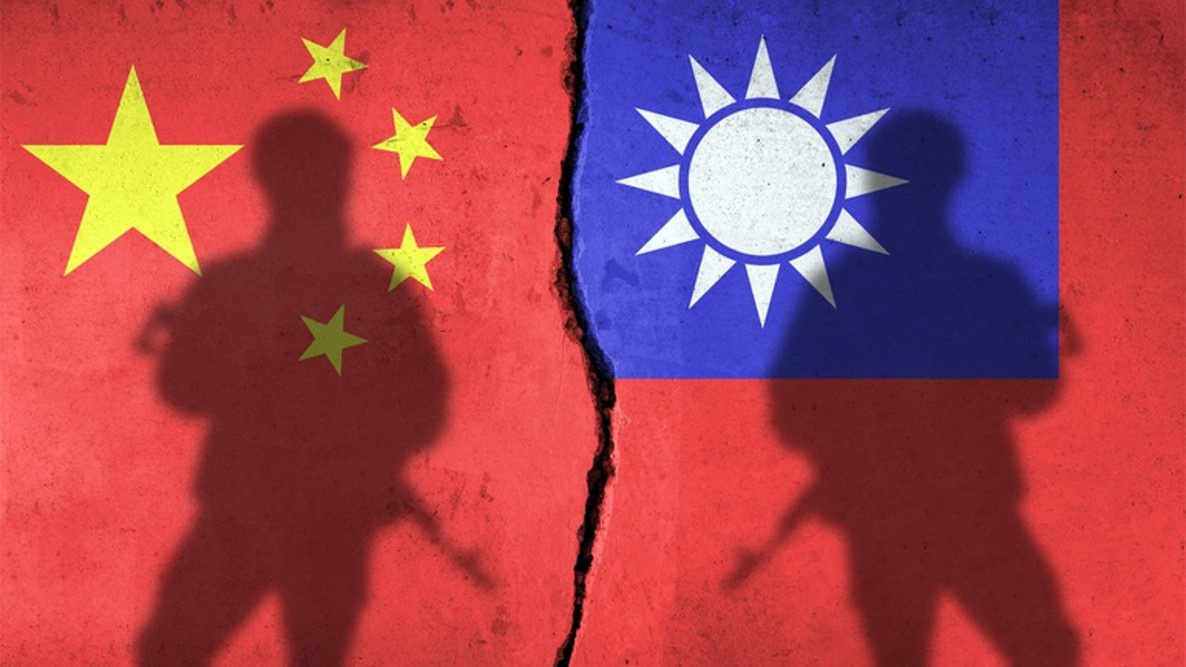
FOR Malaysia, China is neither an abstract great power nor a distant geopolitical concept. It is the country’s largest trading partner, a major investor, and an unavoidable presence in regional security calculations.
Yet when it comes to Taiwan, China also represents a strategic adversary not in the sense of inevitable hostility, but as a power whose actions could undermine the regional order on which Malaysia’s security and prosperity depend. This tension defines one of the most delicate challenges in Malaysia’s foreign policy today.
From Kuala Lumpur’s perspective, the Taiwan issue has traditionally been managed through distance and ambiguity. Malaysia adheres to a one-China policy, avoids commentary on sovereignty questions, and prioritises ASEAN cohesion over bilateral confrontation.
This approach was viable when cross-Strait tensions were relatively contained and military force remained a distant possibility. That era is ending.
China’s increasingly assertive posture toward Taiwan marked by military pressure, coercive signalling, and simulated blockade scenarios has transformed Taiwan from a peripheral issue into a regional stress test with direct implications for Southeast Asia.
The core Malaysian concern is not Taiwan’s political status. It is the method China appears increasingly willing to use to pursue its objectives.
Military intimidation short of war, economic coercion, and the normalisation of exclusion zones around contested areas challenge principles that protect middle and small powers.
If coercion becomes an accepted tool in resolving disputes over Taiwan, it will not remain confined there. The same logic could be applied in the South China Sea, where Malaysia already faces pressure through persistent coast guard and maritime patrol operations near its waters.
In this sense, China’s posture toward Taiwan casts a long shadow. It signals a willingness to reshape the regional order through power rather than restraint. For Malaysia, which relies on international law, freedom of navigation, and stable trade routes, this is deeply unsettling.
A region governed by coercion favours the strong and constrains the weak. It erodes the strategic space that allows countries like Malaysia to pursue independent policies without constant external pressure.
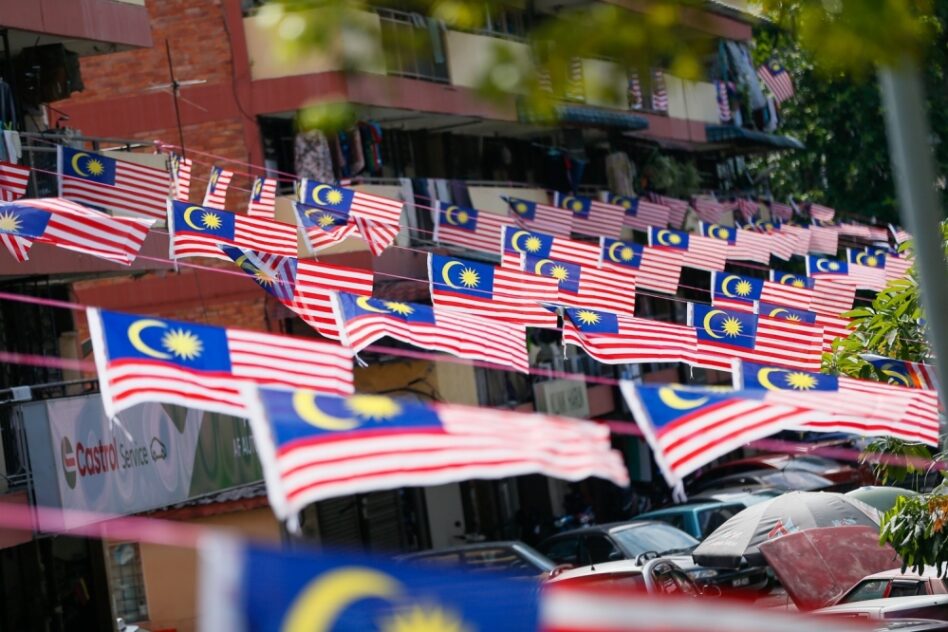
Economics complicates the picture further. Malaysia’s deep integration with China’s economy creates both interdependence and vulnerability. A Taiwan crisis would not be a distant geopolitical drama; it would be an economic shock.
Disrupted supply chains, volatile markets, rising energy costs, and shaken investor confidence would hit Southeast Asia early. Malaysia’s electronics sector, manufacturing base, and export-driven growth model are particularly exposed.
In such a scenario, Malaysia would pay a price regardless of its political position, revealing the limits of neutrality in an interconnected world.
Yet recognising China as an adversarial actor in the Taiwan context does not mean embracing confrontation. Malaysia has neither the capacity nor the interest to challenge China militarily. Nor would overt alignment with any external power serve Malaysian interests.
The danger lies not in engagement with China, but in complacency about how China’s behaviour could reshape the region. Strategic realism requires acknowledging that China’s actions around Taiwan may directly undermine Malaysia’s long-term security environment.
This places Kuala Lumpur in a difficult but not impossible position. Malaysia’s strategic response should focus on reducing vulnerability rather than signalling opposition. Economic resilience is the first line of defence.
Diversifying trade partners, strengthening domestic industries, securing energy supplies, and building buffers against global disruptions are not anti-China measures, they are pro-Malaysia strategies. Resilience allows Malaysia to absorb shocks without being forced into hasty political choices under pressure.
Diplomacy is the second pillar. Malaysia’s strength has always been its ability to engage quietly and consistently.
In a Taiwan-related crisis, this diplomatic style becomes more valuable, not less. Malaysia can support de-escalation, encourage communication, and reinforce norms of restraint without public grandstanding.
Its credibility as a pragmatic, non-aligned actor gives it access that more openly aligned states may lack. Preserving this role requires discipline and patience, especially amid domestic and external pressures for clearer alignment.
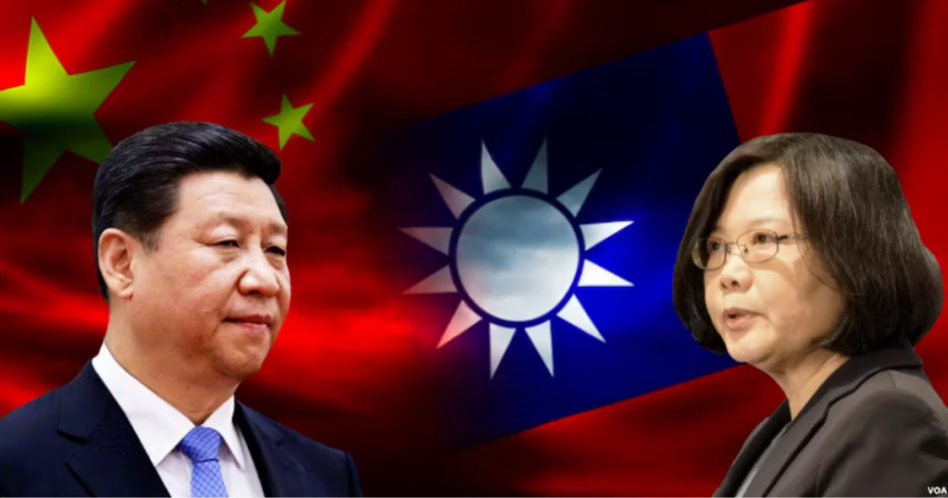
At the regional level, China’s approach to Taiwan underscores the urgency of strengthening ASEAN’s strategic relevance. ASEAN cannot prevent a Taiwan crisis, but it can mitigate its impact.
Malaysia should advocate for more serious discussions within ASEAN on economic coercion, supply chain resilience, and collective responses to regional disruptions. Centrality must mean preparedness, not just convening power. A fragmented ASEAN would be far more vulnerable to pressure from a major power acting decisively.
There are also clear red lines Malaysia should avoid crossing. Over-militarisation would drain resources without enhancing security. Publicly framing China as an enemy would close diplomatic channels and invite retaliation.
Pretending Taiwan is irrelevant, however, would be equally dangerous. Strategic denial leaves Malaysia unprepared for cascading consequences that could arrive with little warning.
Ultimately, China’s stance toward Taiwan forces Malaysia to confront an uncomfortable truth: the regional order is becoming more contested, and rules that once seemed stable are now under strain. Malaysia cannot shape China’s ambitions, but it can shape its own posture.
By investing in resilience, practising disciplined diplomacy, and strengthening regional cooperation, Malaysia can protect its interests without sacrificing autonomy.
Taiwan, in this sense, is not just about China and an island across the Strait. It is about whether the Indo-Pacific will be governed by restraint or coercion.
For Malaysia, the answer matters profoundly. Recognising China as a strategic adversary in this specific context is not an act of hostility: it is an act of clarity. And clarity, in an era of growing uncertainty, is the first step toward safeguarding Malaysia’s future.
R Paneir Selvam is the principal consultant of Arunachala Research & Consultancy Sdn Bhd (ARRESCON), a think tank specialising in strategic national and geopolitical matters.
The views expressed are solely of the author and do not necessarily reflect those of MMKtT.
- Focus Malaysia.

No comments:
Post a Comment
Note: Only a member of this blog may post a comment.