


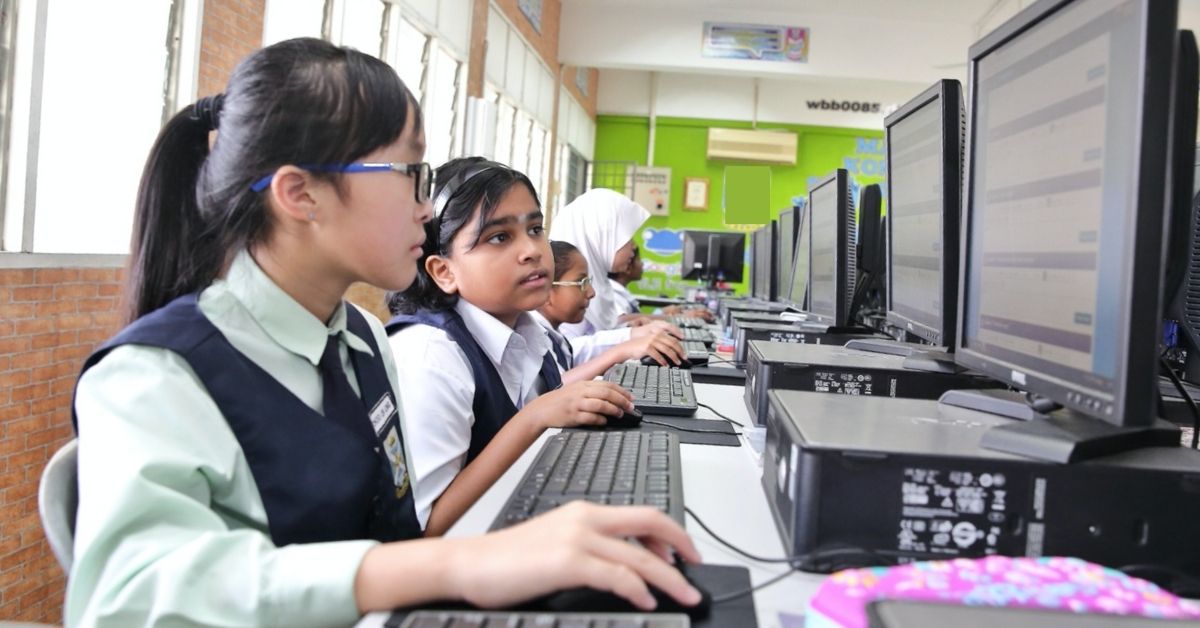
FOR young people growing up in Malaysia today, the digital world is not a supplement to life—it is life. Social interaction, identity formation, learning, entertainment, and even political awareness are now shaped by screens, platforms, and algorithms.
Yet our education system continues to behave as if digital life exists on the margins rather than at the centre of young people’s daily experience.
While schools continue to prioritise traditional academic subjects, Malaysian students are left without the most essential skills they need to survive in the digital age: how to protect their mental health online, how to recognise misinformation, how to respond to cyberbullying, how algorithms influence behaviour, and how to stay safe from harmful or disturbing content.
This gap between the reality young Malaysians face and what our schools teach is widening every year. Technology evolves rapidly. Social media evolves even faster. But our curriculum has barely kept pace.
The digital risks Malaysian students face
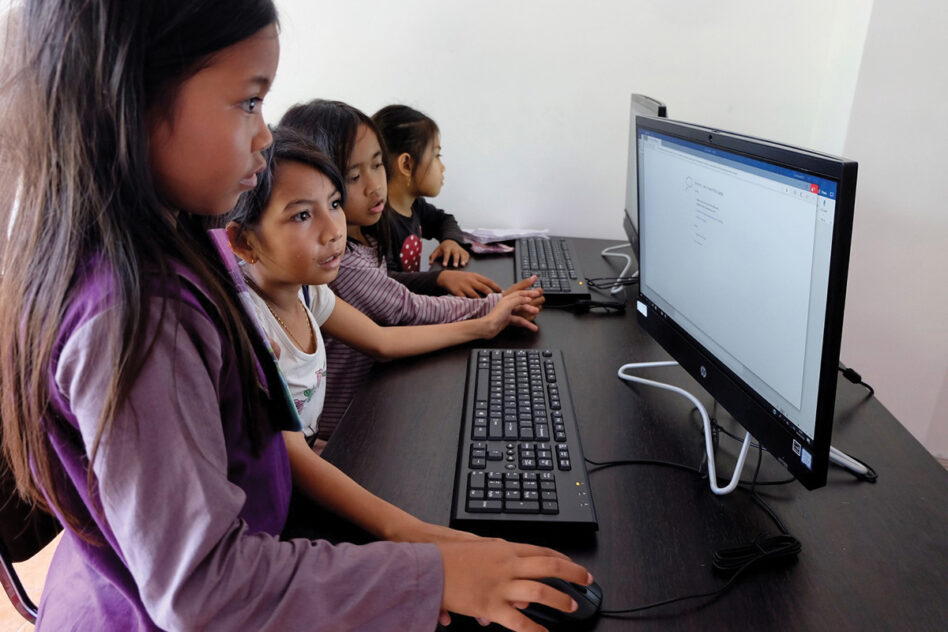
Across Malaysia, students are navigating online spaces filled with intense comparison culture, viral trends, misinformation, online harassment, and increasingly aggressive algorithm-driven content.
These risks do not stop at the school gate. In fact, they often intensify after school hours, when young people are left alone with their screens.
Many Malaysian parents and educators are deeply concerned about rising anxiety, body image issues, cyberbullying, and online radicalisation. Yet these concerns are often addressed reactively—after harm has already occurred—rather than through structured education and prevention.
Students are rarely taught how social media algorithms decide what they see, how images and videos are digitally manipulated, how misinformation and disinformation spread, how online comparison affects self-esteem and/or how to critically evaluate online content.
As a result, young people internalise unrealistic standards and harmful narratives without understanding that they are being shaped by systems designed to maximise attention and profit.
Mental health and the digital environment
Malaysia has seen growing concern over youth mental health, with increasing reports of anxiety, depression, and emotional distress among adolescents. While many factors contribute to this, the influence of unregulated digital environments cannot be ignored.
Social media platforms expose young people to idealised bodies, luxury lifestyles, cosmetic enhancements, and viral beauty standards—often without context or education. When these images are repeated daily, especially during formative years, they can profoundly distort self-perception.
This is not about blaming young people for being “too online”. It is about recognising that no previous generation has been exposed to such relentless psychological influence without guidance.
Teachers left without proper tools

Teachers in Malaysia are often the first to notice the effects: declining attention spans, emotional distress, online conflicts spilling into classrooms, and students struggling with self-worth.
Yet most teachers have received little formal training in digital wellbeing, online safety, or algorithmic literacy.
We cannot expect educators to manage digital harms without giving them the tools, training, and institutional support to do so. This is not a failure of teachers; it is a systemic failure to prepare them for the realities of modern education.
Malaysia proudly positions itself as a digital and innovation-driven economy. We speak of Industry 4.0, artificial intelligence, and the digital workforce of the future.
Yet we invest far more in producing users of technology than in developing critical thinkers who understand how technology shapes behaviour, beliefs, and society.
How can we prepare young Malaysians for the future workforce if they cannot recognise misinformation, deepfake videos, or algorithmic manipulation?
How can we claim to prioritise mental health while ignoring one of its most powerful influences? How can digital literacy remain an afterthought when digital life is the dominant reality for our youth?
This is not just an education issue. It is a national issue affecting social cohesion, democratic resilience, and long-term wellbeing.
What needs to change

First, digital literacy must be integrated into education from primary school onwards—not as a standalone ICT subject, but as a cross-cutting life skill. Students must learn how digital environments influence emotions, beliefs, and decision-making.
Second, teachers must be properly trained and supported. Professional development in digital wellbeing, online safety, and media literacy must become a national priority.
Third, technology companies operating in Malaysia must be held accountable. Platforms that shape young people’s lives cannot continue to operate without transparency or responsibility for harm.
Finally, policymakers must acknowledge a simple truth: digital wellbeing is not optional. It is as essential as physical health and academic achievement.
Choice our educational system need about the future
Malaysia stands at a crossroads. We can continue to treat digital literacy as a footnote, or we can recognise it as a foundation for healthy, informed, and resilient citizens.
Young Malaysians are not asking to be shielded from technology. They are asking to understand it. They are asking for the skills to question it, navigate it, and protect themselves within it.
If we fail to act, we risk leaving an entire generation vulnerable—not because they are unprepared for the future, but because we refused to prepare them for the world they already live in. It is time for Malaysia’s education system to reflect reality—not the past.
KT Maran
Seremban, Negri Sembilan
The views expressed are solely of the author and do not necessarily reflect those of MMKtT.
- Focus Malaysia.

No comments:
Post a Comment
Note: Only a member of this blog may post a comment.