


Indian Prime Minister Narendra Modi’s official visit to Malaysia is more than a ceremonial exchange or a routine reaffirmation of goodwill.
It arrives at a moment when Malaysia’s external environment is undergoing profound structural change.
Intensifying rivalry between the United States and China, the fragmentation of global supply chains, and the growing militarisation of the Indo-Pacific are narrowing the strategic space for middle powers.
In this context, Modi’s visit has the potential to redefine the substance, direction, and ambition of Malaysia–India relations and to prompt Malaysia to recalibrate its strategic posture by treating India not merely as a partner, but as a core strategic pillar for both business and defence.
Malaysia and India share a long-standing relationship rooted in deep civilisational ties, sustained through trade links, cultural interaction, and the enduring presence of a substantial Indian diaspora in Malaysia.
Yet for decades, the relationship remained under-institutionalised relative to its potential. Modi’s visit signals a decisive shift from symbolic diplomacy to strategic consolidation.
It provides political momentum to operationalise the Comprehensive Strategic Partnership announced earlier and to anchor it in concrete economic, technological, and security outcomes.
High-level visits matter not only for what is signed, but for what they legitimise. Modi’s presence in Kuala Lumpur elevates India within Malaysia’s foreign policy hierarchy at a time when strategic prioritisation is unavoidable.
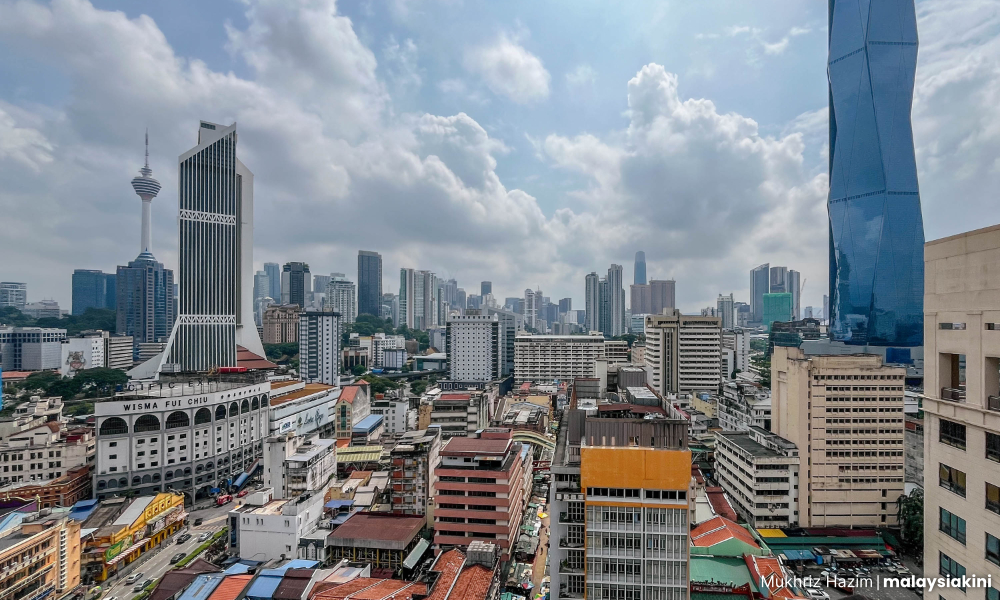
It sends a clear signal to local policymakers, businesses, and defence planners that India is no longer a peripheral South Asian partner, but a central Indo-Pacific actor whose trajectory will directly affect Malaysia’s own economic resilience and security environment.
Economic recalibration amid uncertainty
Economically, Modi’s visit comes amid a reordering of global trade and investment flows. The US-China rivalry has accelerated supply chain diversification, export controls, and techno-economic blocs.
Malaysia, as an open trading nation, is particularly exposed to these disruptions.
Over-concentration in any single market, especially one increasingly entangled in geopolitical contestation, poses long-term risks.
India offers Malaysia a strategic hedge. With its large and expanding domestic market, strong growth prospects, and push to become a global manufacturing and digital hub, India provides Malaysian firms with scale without the political vulnerabilities associated with great-power dependency.
Modi’s visit can catalyse deeper integration in manufacturing, semiconductors, pharmaceuticals, digital services, renewable energy, and fintech sectors that align with Malaysia’s own development priorities.
More importantly, India’s economic engagement model is broadly compatible with Malaysia’s preference for autonomy.
Indian investment is typically driven by private enterprise rather than state-directed geopolitical objectives.
This reduces the risk of economic leverage being weaponised in times of political disagreement. By recalibrating its business strategy to treat India as a priority market and production partner, Malaysia can diversify risk, enhance value-chain resilience, and strengthen its bargaining position vis-à-vis larger powers.
Strategic partnership without strategic subordination
The security dimension of Modi’s visit may prove even more consequential. The Indo-Pacific is rapidly becoming a contested military space, with Asean states increasingly caught between US security guarantees and China’s growing regional assertiveness.
Malaysia has consistently sought to avoid alignment with either camp, preferring a balanced, non-confrontational approach rooted in Asean centrality.
India fits naturally into this strategic logic. It is a major military power with growing naval reach, yet it does not demand alliance commitments or exclusive loyalty. India’s defence cooperation is pragmatic, capacity-focused, and respectful of sovereignty.
Enhanced maritime cooperation, intelligence-sharing, joint exercises, and defence-industrial collaboration with India can strengthen Malaysia’s deterrence and situational awareness without pulling it into great-power confrontation.
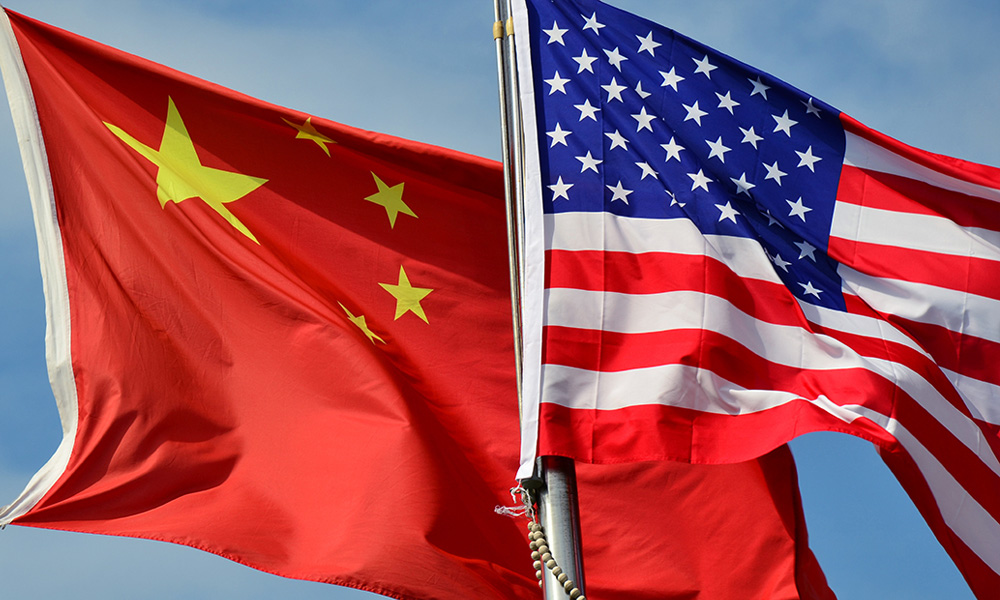
Modi’s visit provides an opportunity to institutionalise defence ties beyond episodic engagements. For Malaysia, recalibrating towards India as a defence partner is not about antagonising China or distancing itself from the United States. It is about widening strategic options.
India’s presence in the Indian Ocean and its interest in secure sea lanes directly support Malaysia’s trade and energy security.
A deeper partnership with India strengthens Malaysia’s ability to protect its interests independently, rather than relying excessively on external security umbrellas.
Navigating US–China rivalry through diversification
The defining challenge for Malaysia’s foreign policy is not choosing between Washington and Beijing, but managing their rivalry without losing strategic autonomy.
And Modi’s visit underscores India’s growing role as a third pole in the Indo-Pacific: one that neither seeks regional dominance nor ideological alignment.
By elevating India as a strategic partner, Malaysia can dilute the binary pressures imposed by US-China competition. This recalibration enhances Malaysia’s diplomatic leverage, allowing it to engage both powers from a position of greater confidence and flexibility.
India’s own strategic autonomy mirrors Asean’s instincts, making it a more comfortable and credible long-term partner for Malaysia than powers with overt hegemonic ambitions.
People, politics, and long-term alignment
Modi’s visit also reinforces the societal foundations of bilateral ties. The Indian diaspora in Malaysia is not merely a cultural bridge but an economic and professional asset.
Stronger political alignment between Kuala Lumpur and New Delhi enhances trust, facilitates mobility, and deepens people-to-people exchanges that underpin sustainable partnerships.
At a normative level, Malaysia and India share an interest in preserving a multipolar, rules-based regional order that protects the sovereignty of middle and small states.
This convergence becomes increasingly valuable as global norms are strained by power politics.
Modi’s visit marks a strategic inflection point. It offers Malaysia an opportunity to move beyond habitual diplomacy and to recalibrate its position by recognising India as a central pillar of its economic and security strategy.
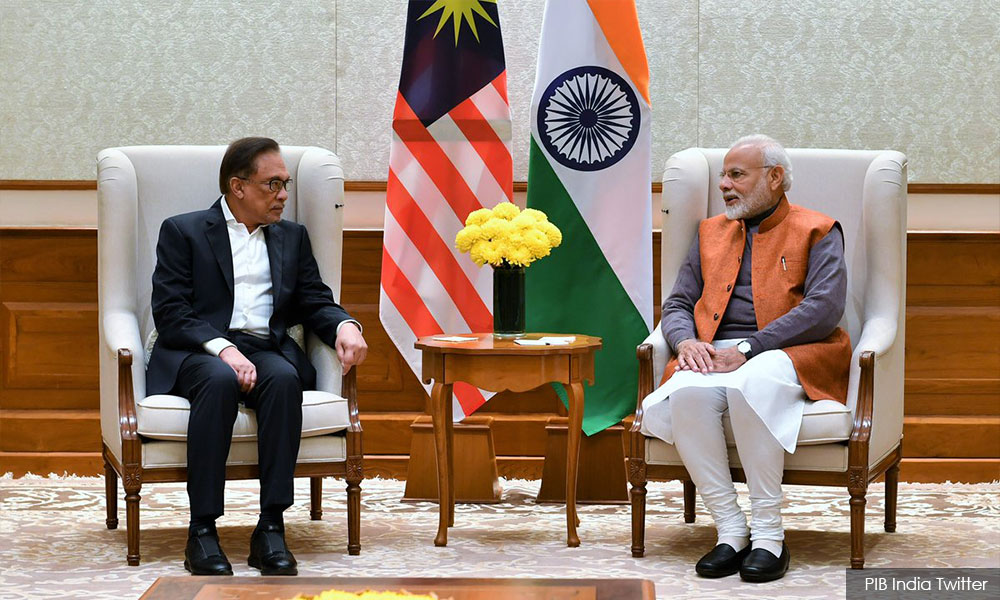
In an Indo-Pacific shaped by US-China rivalry, Malaysia’s long-term stability will depend on diversification, autonomy, and credible partnerships.
India, with its scale, restraint, and alignment with Asean’s core principles, is uniquely positioned to fulfil that role.
The challenge for Malaysia is not whether to engage India, but whether it is prepared to think strategically enough to place India where it increasingly belongs at the heart of its regional and global outlook. - Mkini
R PANEIR SELVAM is the principal consultant of Arunachala Research and Consultancy Sdn Bhd, a think tank specialising in strategic national and geopolitical matters.
The views expressed here are those of the author/contributor and do not necessarily represent the views of MMKtT.

No comments:
Post a Comment
Note: Only a member of this blog may post a comment.