


Chinese New Year is here. However, instead of the usual prayers for prosperity and good health, I will be praying for the return of the Malaysia I grew up in - a country where unity, harmony, and tolerance were not political slogans, but lived values.
In particular, my prayers are for my Hindu brethren. Increasingly, many in the community feel singled out, marginalised, and unfairly targeted. Their sense of pain and exclusion deserves empathy, not suspicion.
The current controversy over so-called “illegal temples” did not emerge overnight, nor did it arise in a vacuum.
It is the predictable outcome of a long-standing housing and planning failure, one that successive governments have chosen to manage politically rather than resolve structurally.
For decades, there were suggestions and discussions about allocating land for non-Muslim houses of worship alongside mosques and surau.
Yet no consistent, nationwide policy was ever implemented. Most initiatives remained ad hoc, limited to state-level discretion, or were quietly abandoned.
A brief history
In the early decades after independence, temples, churches, and shrines were commonly:
Built on estate land, village land, or private plots; and
Tolerated by local authorities through customary practice, despite the absence of formal planning approval.
This arrangement functioned when land pressure was low and when social tolerance was deeply embedded in what many once called Bangsa Malaysia.
As urbanisation accelerated, however, these informal understandings collapsed without any replacement policy mechanism.
Under the Town and Country Planning Framework, local authorities technically have the power to approve land for “places of worship”.
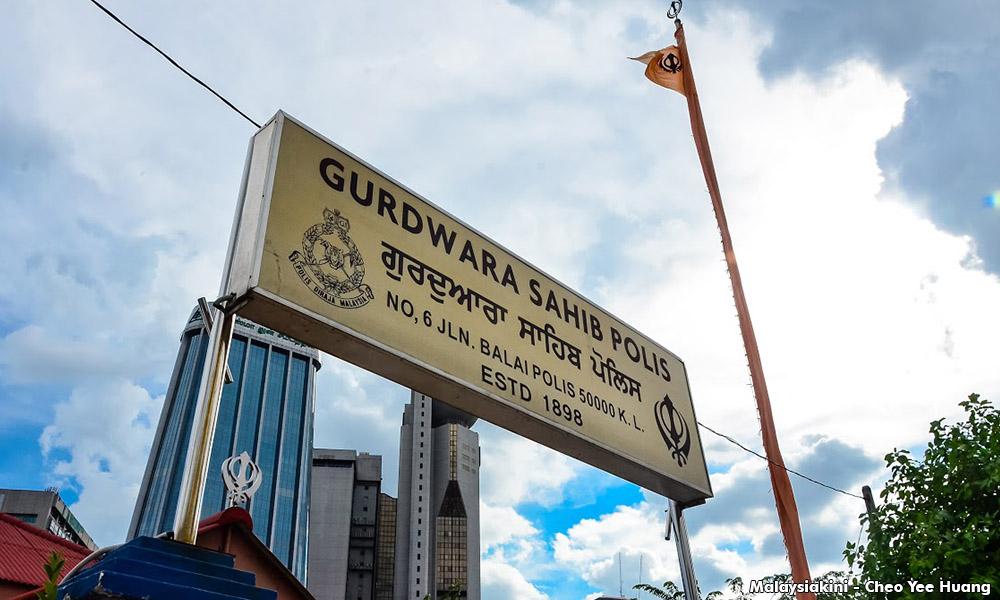
In practice, however, mosques and surau became mandatory components of housing developments, while non-Muslim places of worship were not.
The law may appear neutral on paper, but implementation has never been equal.
An unequal scenario
Malaysia has well-established administrative structures to manage Muslim religious affairs. These institutions possess authority, resources, and statutory backing to plan, approve, and integrate mosques and surau into public and private developments.
As a result, Muslim prayer spaces appear in petrol stations, shopping malls, rest-and-relax areas, and newly developed townships - gazetted and approved as part of the planning process.
No comparable central authority exists for Hindu, Taoist, or other non-Muslim religious affairs with equal statutory power. This absence has consequences.
Without coordination, guidance, or systematic land allocation, communities are left to improvise. While Christian and Buddhist organisations are generally better structured, many Hindu communities lack similar institutional leverage.

Informal worship spaces thus emerge - not out of defiance, but necessity.
When authorities later choose to frame these spaces purely as “illegal land occupation”, they address the symptom while deliberately ignoring the cause.
When the label “kuil haram” (illegal temples) is politically amplified, principles of equity, proportionality, and good governance are conveniently sidelined.
The inconsistency is difficult to ignore. Developers are required to allocate land for Muslim houses of worship as a standard condition of approval.
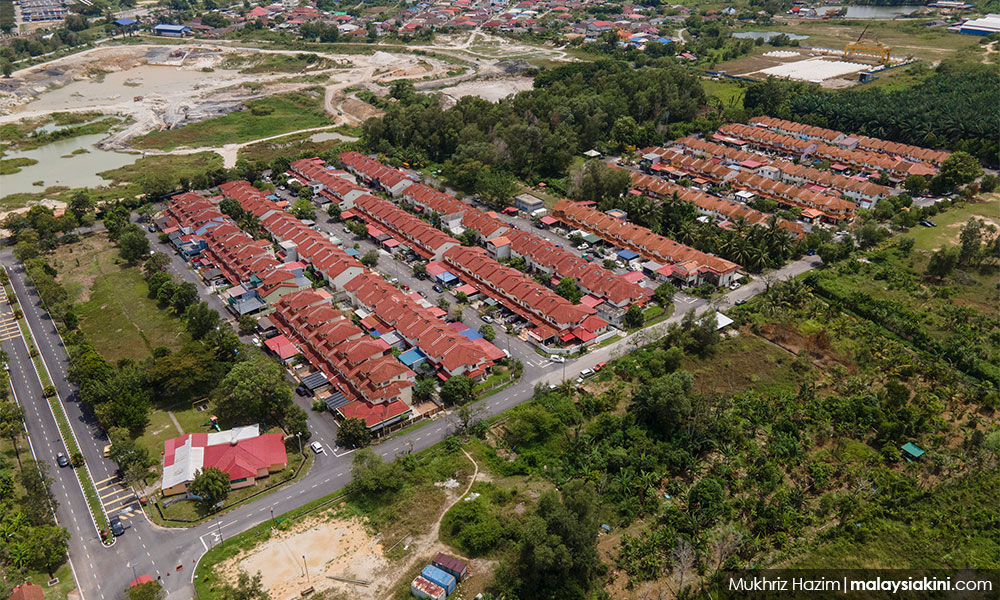
Non-Muslim communities, however, are expected to negotiate informally, endure bureaucratic delays, or simply accept exclusion often despite repeated applications and compliance efforts.
This imbalance quietly erodes trust and fuels resentment in a society that claims to value pluralism and social justice.
Irresponsible leaders
What makes the situation more troubling is the selective moral posture adopted by those in authority. Political leaders are quick to champion justice and human rights in principle.
Yet some religious figures - who should be voices of moderation and mutual respect - have instead chosen to deepen divides, often through inflammatory rhetoric.
Malaysia’s strength lies in its diversity. A plural society cannot function by privileging one community’s needs while dismissing others as violations or inconveniences.
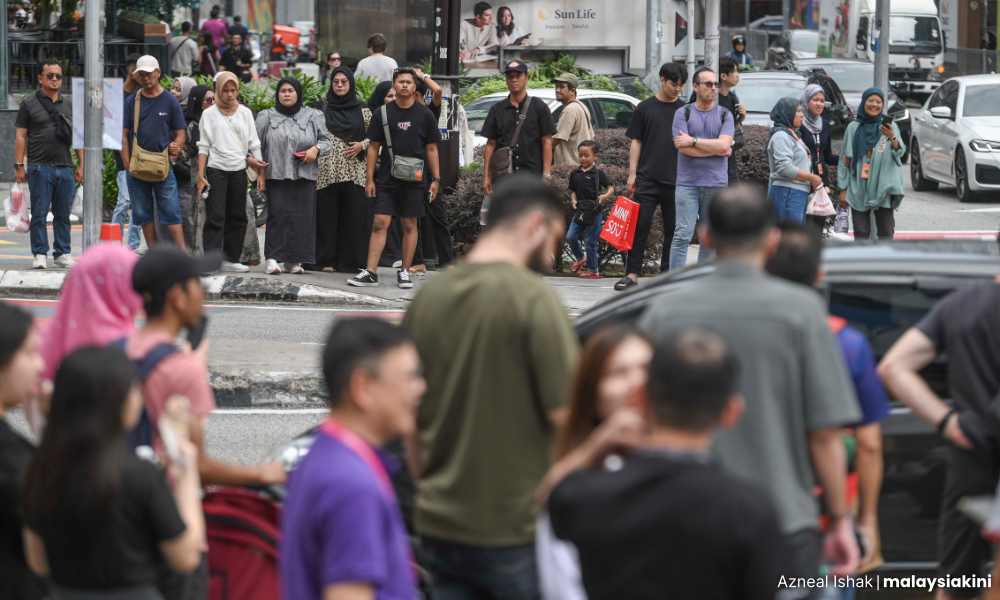
If the genuine objective is to eliminate illegal structures, the solution is neither complicated nor radical: institutional reform, equitable land allocation, and the creation of legitimate bodies to manage non-Muslim religious infrastructure, just like for Muslims.
Without such reforms, these disputes will continue to resurface, widening communal fault lines and diminishing the promise of Malaysia as a home where all citizens belong with dignity.
Pluralism cannot survive on slogans alone. It requires policy, fairness, and political courage.
The current Madani government was elected on the promise of reform. Yet instead of pursuing structural and legal solutions, leaders have often opted for case-by-case political settlements driven by fear of backlash from conservative groups and emboldened by the rise of social media influencers and self-appointed religious figures who thrive on outrage, rage bait, and fear.
There have been acknowledgements and proposals, particularly in states with large non-Muslim populations such as Selangor and Penang.
These communities - many of whom strongly supported PKR and DAP - placed their hopes in reformasi. Discussions on multi-faith land allocation did occur. Yet once again, political caution triumphed over policy courage.
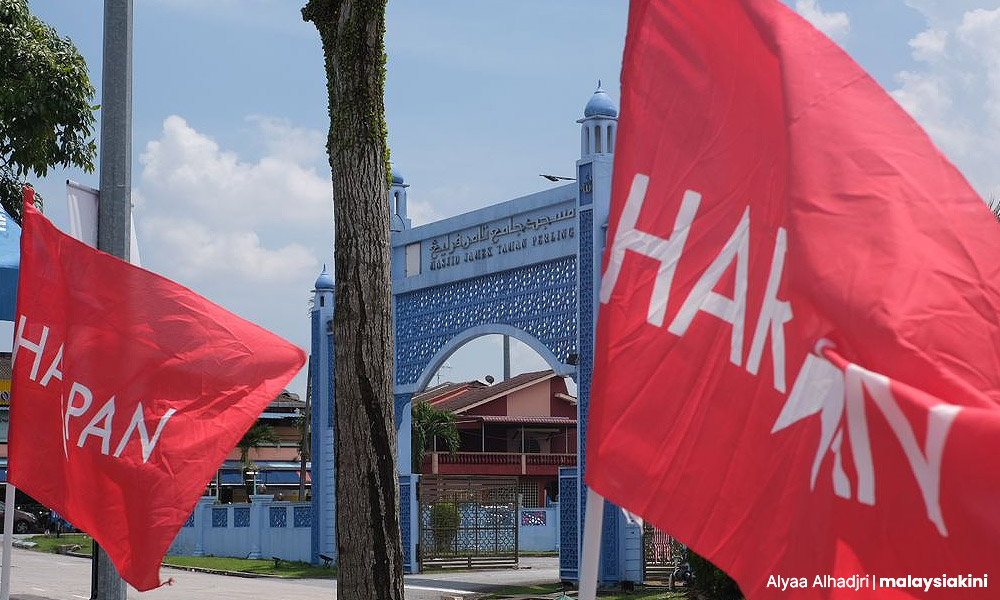
Who would have imagined that issues long managed through tolerance and quiet accommodation - whether temples or other sensitive cultural matters - would unravel in this manner? And not under states governed by PAS, but in states led by parties that once championed reform and inclusivity.
If reform is reduced to rhetoric, and justice becomes selective, then the crisis we are witnessing today is not about land or legality. It is about the erosion of trust - and the quiet betrayal of the Malaysia many still hope to believe in. - Mkini
Ti Lian Ker is a former MCA vice president and former deputy unity minister.
The views expressed here are those of the author/contributor and do not necessarily represent the views of MMKtT.

No comments:
Post a Comment
Note: Only a member of this blog may post a comment.